





Recent Posts



Easy to Make Cioppino (Seafood Stew) Recipe
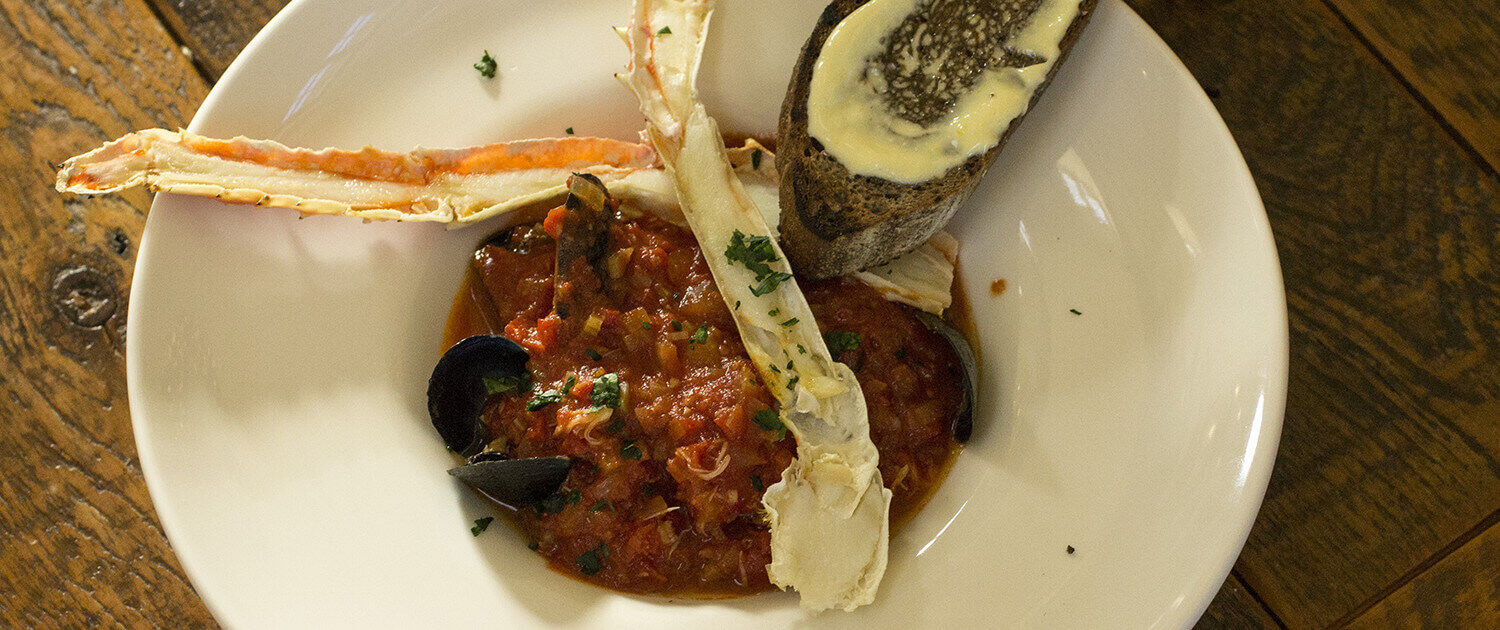
The tradition of the Feast of the Seven Fishes is a cornerstone of Italian American holiday celebrations. While some families spend all Christmas Eve preparing nearly a dozen separate courses, there is a more soul warming way to honor the sea. By focusing on a single, spectacular pot of San Francisco style seafood, you can capture the essence of the tradition without spending the entire evening at the stove. This authentic cioppino recipe is a celebration of history and community. It was originally created by Italian fishermen on the wharves of the Bay Area who would "chip in" whatever was left from the day’s catch to feed the group.
Our version of this coastal classic is designed for gathering. It is a vibrant, aromatic stew that invites guests to roll up their sleeves and dive in. The broth is a complex tapestry of flavors, starting with a base of fresh fennel and garlic and building into a rich sea of tomato and saffron. It is the perfect centerpiece for a December 24th dinner party or any cold winter night when you need a bit of elegance and warmth. If you have been searching for a cioppino recipe that balances sophistication with approachable kitchen techniques, this is the one for your holiday table.
If you’re a white wine drinker, pair this dish with a rich white wine like our Sonoma Coast Chardonnay – if you prefer red wine, pair this with our Sonoma Coast Pinot Noir.
What is Cioppino?
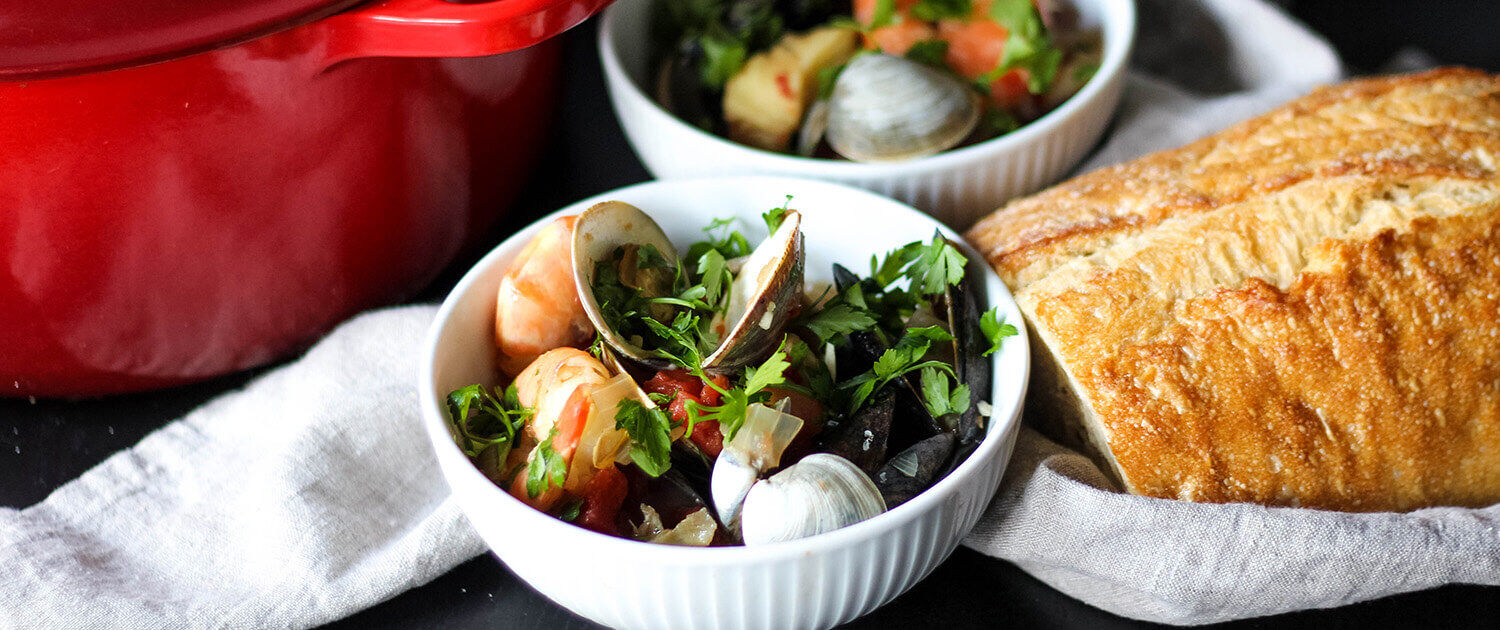
Cioppino is a celebrated Italian American seafood stew that originated in the late 1800s in San Francisco. It was born out of necessity and community spirit among the Italian immigrants who fished the waters of the Pacific. When a fisherman came back to the wharf empty handed, his peers would "chip in" portions of their own catch so he wouldn't go hungry. This collaborative spirit eventually evolved into the sophisticated cioppino recipe we know and love today. Unlike its European cousins like French bouillabaisse, which often relies on specific Mediterranean fish and saffron, this stew is a reflection of the bounty of the California coast.
The soul of the dish is its robust tomato and wine base. It is traditionally packed with a variety of seafood including Dungeness crab, clams, mussels, shrimp, and firm white fish. Because it started as a humble fisherman’s meal, there are no rigid rules about which shellfish must be included.
Key Ingredients for Cioppino
The magic of this dish lies in the careful selection of high quality components that bridge the gap between land and sea. While the seafood is the obvious star, the supporting players like fennel and saffron create a sophisticated flavor profile that separates a basic soup from a true culinary masterpiece. Using the shells from your crab and shrimp to fortify the broth is a vital step that many home cooks skip, but it provides an authentic depth that cannot be replicated with store bought stock. Every element should be as fresh as possible to ensure the delicate balance of sweetness and brine remains intact throughout the cooking process.
- Dungeness Crab: This Pacific Coast treasure provides the sweet, meaty heart of the meal and should be kept in the shell for maximum flavor.
- Saffron Threads: These tiny crimson strands infuse the broth with a golden hue and a floral aroma that signals a special occasion.
- Fennel and Garlic: Sautéing these together creates a fragrant, mellow base that complements the acidity of the tomatoes without overpowering the fish.
- Harissa Paste: A modern twist on the classic red pepper flake, this adds a smoky complexity and a gentle heat that lingers on the palate.
- Vintner’s Reserve Chardonnay: Using a full bottle of crisp white wine provides the essential acidity needed to brighten the heavy seafood flavors.
- Fresh Shellfish: A mix of clams and mussels is essential because they act as natural flavor barometers, releasing their salty liquor directly into the pot as they open.
How to Make Cioppino
Preparing this iconic seafood stew is a rhythmic process that relies on layering flavors and respecting the delicate cook times of each specific treasure from the sea. Follow these steps to transform fresh ingredients into a communal masterpiece that will have your guests reaching for second helpings of both broth and bread.
- Build the Seafood Stock: In a large heavy bottomed pot, combine the water and a full bottle of Chardonnay before bringing the mixture to a rolling boil. Add your crab and shrimp shells along with the clams to the liquid and cook for four minutes while covered.
- Steam the Shellfish: Toss in the mussels and continue cooking for another three minutes or until the shells have fully opened. Once finished, use a large colander to strain the mixture, making sure to reserve every drop of that fragrant, fortified liquid.
- Sauté the Aromatics: Wipe out your pot and add the vegetable oil over medium heat. Sauté your diced fennel, julienned onions, red bell pepper, and chopped garlic until they are soft and translucent.
- Simmer the Base: Pour the reserved seafood liquid back into the pot and stir in the diced tomatoes, saffron, chopped anchovies, harissa, and dried herbs. Bring the mixture to a boil and then immediately reduce the heat to maintain a gentle, steady simmer.
- Poach the Fish: Season your diced halibut and shrimp with a pinch of salt before dropping them into the simmering broth. Let them cook gently for about two minutes until the fish is opaque and the shrimp are pink.
- Reunite and Serve: Gently fold the cooked crab, clams, and mussels back into the pot to warm through. Finish the dish with a splash of fresh lemon juice and a sprinkle of parsley before serving it immediately in deep bowls with plenty of warm, crusty bread.
Cioppino Recipe
Serves: 8-10
Ingredients
- 2 quarts water
- 1 bottle white wine, such as Vintner’s Reserve Chardonnay
- 2 lbs. clams
- 2 lbs. mussels
- 2 whole crabs, cooked & picked, shells reserved (to save on time, you can purchase cooked crab from your butcher)
- 2 lbs. shrimp, tails removed & reserved, shrimp cut in half lengthwise
- 2 Tbsp. vegetable oil
- 1 fennel bulb, diced
- 2 medium onions, julienne
- 1 red bell pepper, diced
- 12 cloves garlic, roughly chopped
- 2 (14.5 oz.) cans diced tomatoes with juice
- 1 Tbsp. saffron threads
- 2 anchovy filets, chopped
- 1 Tbsp. harissa or other spicy chili paste
- 1½ tsp. dried oregano
- 1 tsp. dried basil
- 2 lbs. halibut, diced
- Kosher salt
- ½ lemon, juiced
- 1 Tbsp. fresh parsley, chopped
Instructions
- In a large pot, add water and wine; bring to a boil.
- Add the crab & shrimp shells and clams and cook for 4 minutes, covered.
- Add the mussels and cook for 3 minutes more, or until the clams and mussels open.
- Remove from heat and strain using a large colander, reserving the liquid.
- Add oil, fennel, onion, red bell pepper and garlic to the pot and sauté until tender.
- Add reserved liquid, diced tomatoes, saffron, anchovies, harissa, and dried herbs. Bring to a boil, then reduce to a simmer.
- Season the shrimp and halibut with salt and add to the pot. Cook for 2 minutes.
- Add reserved crab, clams and mussels.
- Add lemon juice, fresh parsley and salt to taste. Bring back to a simmer and serve immediately with crusty bread on the side.
Pairing Cioppino with Wine
Choosing the right bottle to sit alongside a steaming bowl of seafood is all about finding a wine that can dance with both the bright acidity of the tomatoes and the rich, buttery fat of the crab. You need something with enough personality to stand up to the garlic and spice, yet enough grace to let the delicate halibut shine. The Sonoma Coast Chardonnay is a natural partner here, offering a lush texture and subtle oak notes that feel like a mirror image of the sweet shellfish. It has that crisp, coastal backbone that cuts right through the richness of the broth, refreshing your palate for the next savory spoonful.
If you are the type of host who prefers a red on the table, a chilled bottle of Sonoma Coast Pinot Noir is an unexpected but brilliant move. This wine is light enough to avoid overpowering the fish, but its earthy red fruit and hints of spice pick up on the smoky harissa and savory anchovy notes hidden in the base of the stew. The silky tannins won't fight with the salt of the sea, creating a pairing that feels sophisticated and intentionally modern.
Whether you go with the white or the red, the goal is to enhance those deep, simmered flavors while keeping the overall experience feeling bright and balanced.
