

Recent Posts

Winter Panzanella Salad Recipe
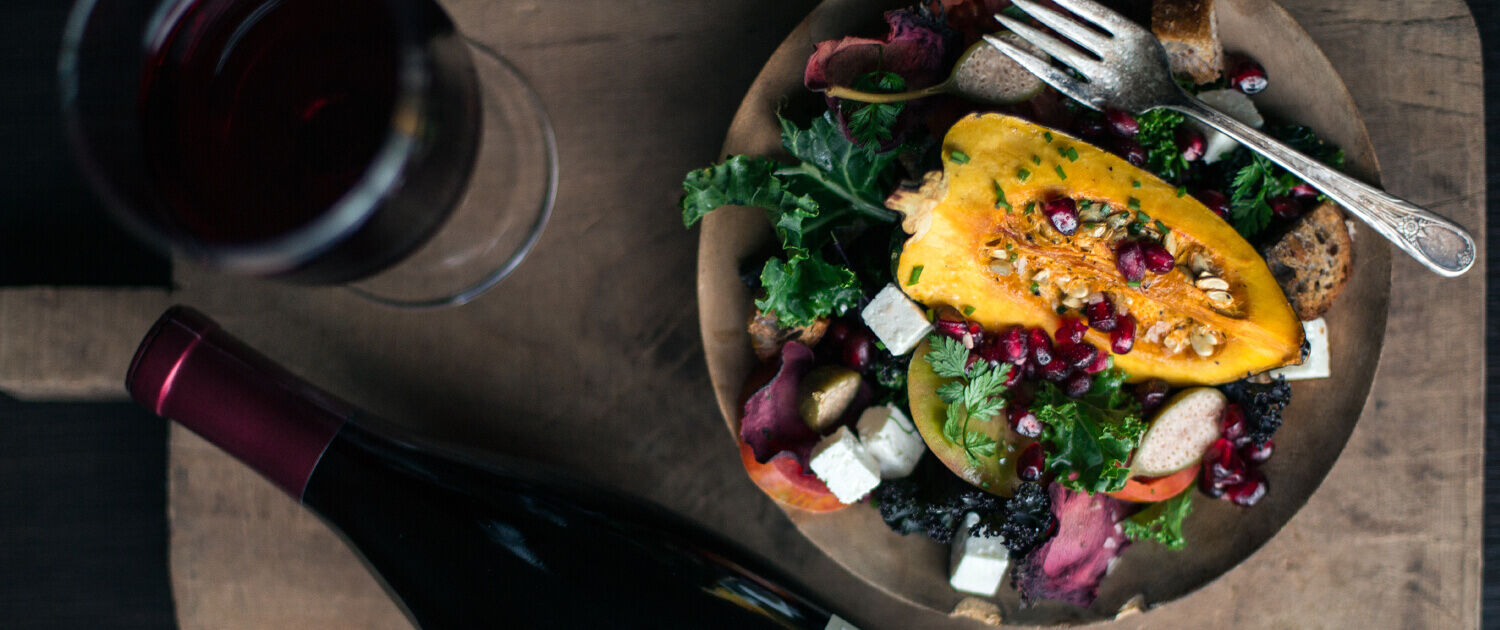
While most people think of a bread salad as the height of summer, it is actually one of the most versatile dishes in a home cook’s repertoire. By swapping out juicy tomatoes for hearty roasted vegetables, you can create a meal that feels substantial enough for a chilly evening yet fresh enough for a light lunch. This panzanella recipe centers on the natural nuttiness of acorn squash and the deep earthiness of beets, resulting in a communal dish that is truly designed for sharing.
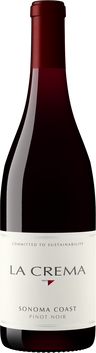
The beauty here is all about the textures. You have the crunch of smoky, paprika-spiced croutons, the creamy tang of feta cheese, and the bright, acidic pop of pomegranate seeds. It is a dish that balances fiber-rich kale with the indulgence of toasted bread, making it a favorite for anyone who wants a healthy meal that doesn't sacrifice flavor. When served with a glass of La Crema Sonoma Coast Pinot Noir, the wine’s bright acidity and red fruit notes perfectly highlight the roasted elements of the salad. Whether you are hosting a casual dinner party or just looking for a new vegetarian entree, this is a foolproof way to bring everyone to the table.
But First, What is Panzanella?
At its heart, Panzanella is a classic Italian "peasant dish" that was born out of a need to make sure nothing went to waste. Originating in Tuscany, the traditional version was a clever way to use up old, rock-hard bread by soaking it with juices from ripe tomatoes, vinegar, and olive oil. It is the ultimate example of how simple, humble ingredients can be transformed into something incredibly flavorful when given a bit of time to meld together.
While the original was a celebration of summer, the concept is actually a brilliant blueprint for any season. The core of any panzanella recipe is the bread; it acts as a sponge, soaking up the dressing and the natural sugars released by the other ingredients. In this version, instead of tomato juice, the bread catches the savory oils from the roasted acorn squash and the earthy sweetness of the beets. It is less of a leafy green salad and more of a hearty, toasted bread salad that feels like a full meal in a bowl.
Should You Use Dry Bread or Stale Bread?
This is the technical heart of the dish. While it might seem like a small detail, the state of your bread determines whether you have a crisp, satisfying meal or a bowl of mush. The term "stale" refers to bread that has lost its moisture over a day or two on the counter, which changes the internal starch structure. This makes it the ultimate sponge. It is thirsty enough to pull in the red wine vinegar dressing and the roasted vegetable oils without collapsing.
If you are starting with a fresh, soft loaf, you have to simulate that aging process. Fresh bread has too much internal moisture; if you toss it with dressing, it will simply turn into soggy dough. To fix this, you want to "dry" the bread rather than just toast it. Slice your baguette into cubes and put them in a low oven until they feel like croutons all the way through. This ensures that even when they are buried under roasted squash and beets, they keep that essential "al dente" bite that makes a bread salad so addictive.
Essentially, "stale" is a natural process of aging, while "dry" is a controlled culinary fix. Both work perfectly, as long as you avoid using soft, fresh bread right out of the bag.
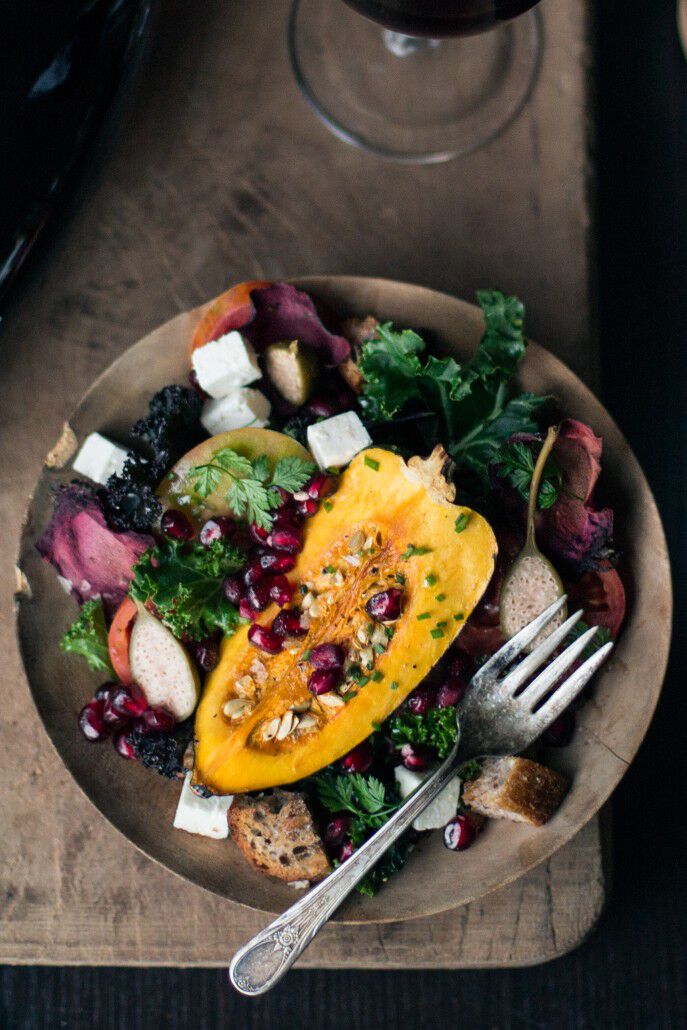
Winter Panzanella Salad Key Ingredients
A successful bread salad is all about the "power players" that provide a mix of textures and flavors.
- Sourdough or Stale Baguette: This is the foundation. You need a bread with a tight crumb and a sturdy crust so it can absorb the dressing and vegetable juices without falling apart.
- Acorn Squash: Its nutty flavor and edible skin make it perfect for roasting. Leaving the seeds intact provides an extra layer of toasted texture.
- Thinly Sliced Beets: These add a vibrant color and a deep, grounded sweetness that balances the sharper flavors in the bowl.
- Chopped Kale: Unlike lettuce, kale is durable. It won’t wilt into nothing when it hits the warm vegetables, providing a much-needed crunch and a boost of fiber.
- Feta and Caper Berries: These provide the "salty spark." They cut through the richness of the roasted squash and provide a savory counterpoint to the bread.
- Pomegranate Seeds: These tiny jewels add a bright, acidic pop that mimics the freshness of a summer tomato.
How to Make This Panzanella Recipe
Making this dish is surprisingly straightforward because the oven does most of the heavy lifting. The key is to time your roasting and toasting so that the warm components hit the kale at just the right moment to soften the greens without losing their structural integrity.
- Roast the Vegetables: Start by slicing your acorn squash into thick wedges and your beets into thin rounds. You don't even need to peel them. Toss them in olive oil, salt, and pepper, then let them roast at 350°F. You are looking for the squash to be tender and the beets to develop slightly caramelized edges.
- Toast the Bread: While the vegetables are in the oven, get your bread cubes ready. Coating them in a mix of olive oil and smoky paprika is the secret here. Bake them until they are golden brown and sound hollow when tapped. This ensures they won't turn into mush once they hit the dressing.
- Massage the Kale: Put your chopped kale in a large bowl and toss it with the warm squash and beets right as they come out of the oven. The residual heat helps soften the kale slightly, making it much more pleasant to eat.
- The Final Toss: Whisk together your oil and red wine vinegar, then pour it over the mixture. Fold in your feta, caper berries, and tomatoes gently so you don't break up the squash. Top with plenty of pomegranate seeds and fresh parsley for a hit of brightness right before serving.
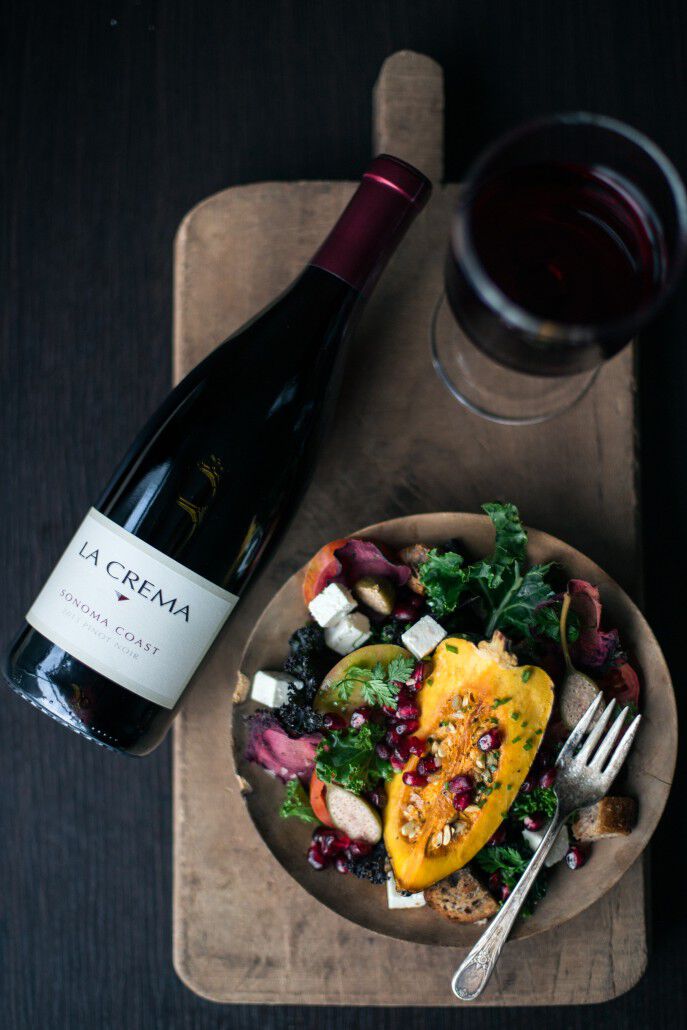
Winter Panzanella Salad Recipe
Author: Gabriel Cabrera
Serves: 4-6
Ingredients
- 2 acorn squash
- 1 medium beet
- 3 cups bread cubes cut from a stale baguette or sourdough bread
- 1 teaspoon smoky paprika
- 4 cups kale, roughly chopped
- ¼ cup olive oil
- 2 tablespoons red wine vinegar
- ½ cup feta cheese, cut in small cubes
- ¼ cup caper berries
- 3 medium tomatoes, thinly sliced (heirloom if you can still find some, if not, any other kind work too)
- ¼ cup fresh parsley, roughly chopped
- 1 pomegranate, seeded
- Flaky sea salt and pepper to season
Instructions
- Note: this recipe has caper berries and feta cheese which are salty as-is so be mindful when seasoning to not overdo it.
- Preheat the oven to 350F
- Cut the acorn squash in wedges (about 2 inches thick) leaving the seeds as is (they’ll roast and get pretty tasty). Take the beets and thinly slice them (with a knife or using a mandolin) - no need to peel them. Rub both, the squash wedges and beet slices with olive oil and lightly season with salt and pepper. Place them on a baking sheet lined with parchment and bake for 30-35 minutes until squash is soft. Remove from the oven and set aside. Keep the oven on.
- Place the bread cubes in a bowl, add the paprika, drizzle with olive oil and lightly season with salt and pepper. Put the bread cubes on a baking sheet with parchment paper and bake for 10-15 minutes until golden brown and crispy. Set aside.
- In a small bowl, whisk the ¼ cup of olive oil and red wine vinegar to make a dressing. No need to add salt.
- In a big bowl, place the chopped kale and toss with the warm squash and beets. Pour a bit of the dressing and toss again. Add the feta cubes, caper berries, sliced tomatoes, and parsley, and give it one last gentle toss. Top the whole thing with pomegranate seeds.
- You can serve with a side of extra croutons, because everyone loves crunchy bread!

Pairing Panzanella Salad with Wine
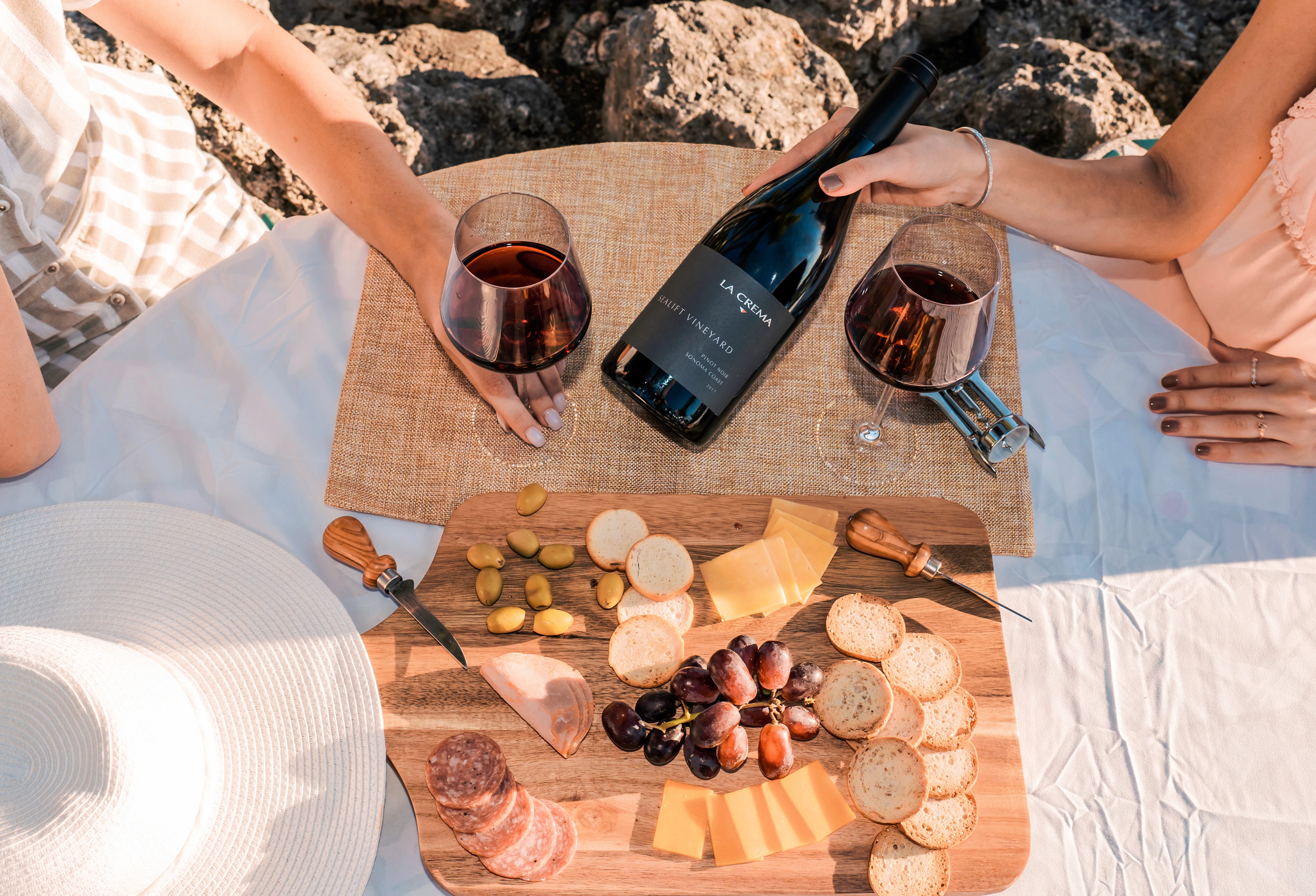
When you’re sitting down to a big communal bowl of this salad, you want a wine that can keep up with all those bold, earthy flavors without overpowering them. A bottle of La Crema Sonoma Coast Pinot Noir is usually my go-to for this. It has this really lovely acidity that cuts right through the saltiness of the feta and the nuttiness of the squash, and those subtle spice notes in the wine feel like they were made for the smoky paprika on the bread.
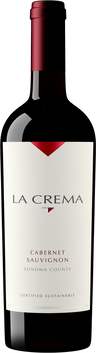
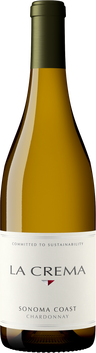
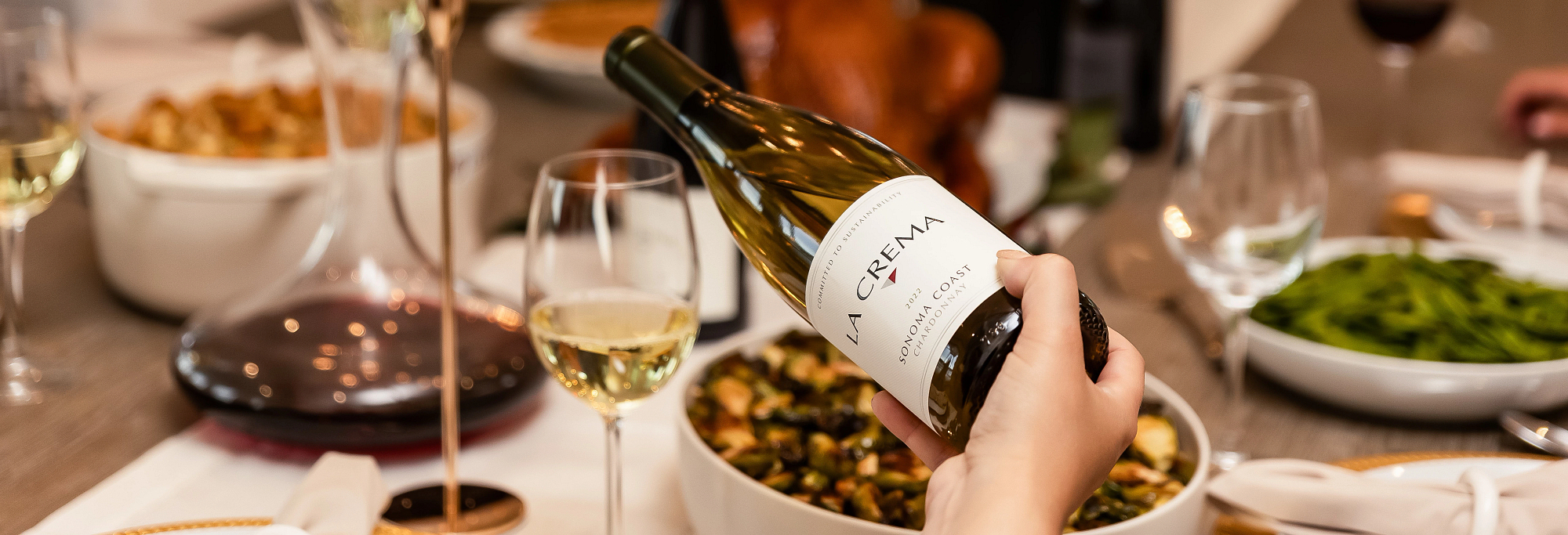
That said, one of the best things about the La Crema wine lineup is that you aren't boxed into just one style. If you’re a fan of white wine, their Chardonnay has that smooth, velvety finish that feels great alongside the roasted vegetables. Or, if you’re in the mood for something lighter and a bit more zesty, the Sauvignon Blanc does a great job of highlighting the bright pop of the pomegranate seeds. Even a Cabernet Sauvignon works if you want a richer, more structured red to go with the deep, earthy sweetness of the beets. Basically, you have plenty of options depending on what you feel like uncorking.
