

Recent Posts
Chardonnay vs. Sauvignon Blanc: What's the Difference?
Imagine you are stopping to buy a bottle of wine for a dinner party that you’re hosting, and it all comes down to two familiar names staring back at you: Chardonnay or Sauvignon Blanc? Both are white, both are well-loved, and both belong next to a good meal, but the bottle you choose nudges dinner in one delicious direction or the other. Will it be silky and rich, or crisp and bright?
Let's be clear: This isn't a competition. It's a friendly comparison of two beloved varietals that have each earned their following for very good reason. Understanding the difference between Chardonnay and Sauvignon Blanc makes choosing the right bottle a whole lot easier. As one of California's most respected cool-climate wineries, La Crema crafts both varietals with equal care and passion, so consider us your guide for getting it right.
Chardonnay vs. Sauvignon Blanc at a Glance
The key difference between Chardonnay and Sauvignon Blanc comes down to style. Chardonnay is typically fuller-bodied, with ripe orchard fruit and often a touch of oak, while Sauvignon Blanc is lighter, crisper, and more herbaceous, with vibrant citrus notes. Think rich and rounded versus bright and zesty—both delicious, just different personalities in the glass.
Here’s a Chardonnay and Sauvignon Blanc comparison chart with a snapshot of their main differences.
| Feature | Chardonnay | Sauvignon Blanc |
|---|---|---|
| Origin | Burgundy, France | Loire Valley and Bordeaux, France |
| Color | Pale straw to golden | Pale straw with green tint |
| Body | Medium to full-bodied | Light to medium-bodied |
| Acidity | Medium to high | High |
| Oak Influence | Often aged in oak | Rarely aged in oak |
| Common Flavors | Apple, pear, lemon, vanilla, brioche | Grapefruit, lime, green apple, fresh herbs |
| Typical Alcohol | 13 to 14.5% | 12 to 13.5% |
| Best Served At | 50 to 55°F | 45 to 50°F |
| Ideal Pairings | Creamy dishes, roast chicken, seafood, aged cheese | Salads, goat cheese, seafood, herb-driven dishes |
The Similarities: What Chardonnay and Sauvignon Blanc Have in Common
Chardonnay and Sauvignon Blanc share more in common than most people realize.
- Both are dry white wines with vibrant natural acidity, food-friendly personalities, and deep roots in classic French winemaking tradition. That shared DNA is exactly why these two varietals have become staples of the white wine world.
- Both are made from green-skinned grapes, both ferment without extended skin contact (which is why neither wine leans toward tannic or bitter), and both range dramatically in style depending on climate, soil, and the winemaker's hand. Whether grown along a foggy coastline or a sun-drenched inland valley, each grape transforms to reflect its home—and that versatility is precisely why Chardonnay and Sauvignon Blanc rank among the most widely planted white varietals on the planet.
So while the differences tend to steal the spotlight, it's these shared qualities—the crispness, the food-friendliness, the easygoing versatility—that make both wines feel right at home on the table.
The Key Differences: Style, Flavor, and Winemaking
Now for the fun part. Let's dive into what separates these two classic white wines, one characteristic at a time.
Origin and Grape Character
Chardonnay originated in Burgundy, France, while Sauvignon Blanc got its start in the Loire Valley and Bordeaux. These regions didn't just give rise to two different grapes—they helped shape the style of the wines.
Chardonnay was born into a cooler continental climate with limestone-driven soils, which helps explain its minerality, texture, and elegance. Similarly, Sauvignon Blanc grown in the limestone-rich soils of the cooler-climate Loire Valley shows bright acidity, crisp citrus flavors, and a chalky edge. Sauvignon Blanc from the warmer, maritime-influenced Bordeaux region, on the other hand, has riper fruit flavors and a softer texture. Even today, when these grapes are planted in new corners of the world, it's the soil and climate they find there—not just their birthplace—that partially decide how they'll taste.
Body and Mouthfeel
Chardonnay is typically fuller-bodied with a rounder, creamier mouthfeel, while Sauvignon Blanc is lighter, leaner, and zingier on the palate.
Chardonnay's generous body comes from a balanced combination of ripe fruit, often malolactic fermentation (which softens acidity into something creamy), and frequent oak aging that adds weight, texture, and warmth. Sauvignon Blanc, on the other hand, keeps things bright and structured, relying on high acidity and—in most cases—no oak influence to let its fresh fruit character come through clearly.
Flavor Profile
Chardonnay leans toward ripe orchard fruit like apple and pear, often layered with tropical, buttery, or oak-driven notes, while Sauvignon Blanc showcases zesty citrus, green apple, and those unmistakable herbaceous notes that make it instantly recognizable.
Sauvignon Blanc's signature taste profile often includes grapefruit, lime, fresh-cut grass, and sometimes a hint of passionfruit or gooseberry—bright, fresh, and citrus-driven. Chardonnay's range, meanwhile, is wonderfully wide: from lean and crisp when unoaked, to rich and creamy with notes of vanilla and brioche when given time in barrel. Curious how the Sauvignon Blanc vs. Chardonnay taste comparison plays out at the table? It's the difference between a bright citrus squeeze and a rounder, richer impression.
Oak Influence
The single biggest stylistic difference between the two comes down to oak. Chardonnay is often aged in oak barrels, while Sauvignon Blanc rarely is.
Oak adds its signature touch by building body, texture, and subtle notes of vanilla and spice, while also gently softening acidity. Chardonnay wears this influence beautifully—it's well-suited to barrel aging. Sauvignon Blanc, on the other hand, is naturally designed to celebrate its varietal purity, which is exactly why most producers choose to ferment and age it in stainless steel or neutral vessels, letting that vivid fruit speak for itself.
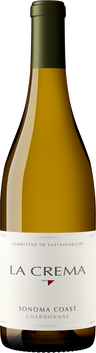
At La Crema, we craft our Chardonnay in partially new French oak and stir the lees (spent yeast) by hand twice a month to create a rich texture on the palate. For our Sauvignon Blanc, we use a combination of stainless steel tanks and neutral oak barrels to preserve the wine’s delicate fruit and floral notes while imparting texture and volume.
Acidity and Freshness
Both wines boast naturally high acidity, but Sauvignon Blanc leans more mouthwatering and brisk, while Chardonnay's acidity is often softened by malolactic fermentation and oak.
This is exactly why Sauvignon Blanc feels so refreshing and crisp on the palate—each sip feels lifted, bright, and clean. Chardonnay, meanwhile, feels rounder and more balanced, trading pure acidity for texture and depth.
Climate and Terroir
Chardonnay is a true chameleon, adapting to nearly every wine region around the world, while Sauvignon Blanc thrives in cool to moderate climates.
This is where La Crema's cool-climate philosophy shines. Sonoma Coast, Monterey County, and other coastal California appellations are where both varietals show a beautifully expressive style—the rolling fog, the wide temperature swings, and the long, unhurried growing seasons all work together to let the fruit develop full flavor while retaining that characteristic bright acidity.
Which Wine Should You Choose?
Still torn between Chardonnay or Sauvignon Blanc? Here's how to make the call without overthinking it.
Choose Chardonnay When...
If your evening calls for richness, comfort, and a wine with a little more weight at the table, Chardonnay is your answer. It's the varietal that knows exactly what to do with a richer dish.
- You are pairing with creamy dishes, roast chicken, lobster, seafood in butter sauce, or aged cheeses.
- You want a wine with more weight, richness, and texture in the glass.
- You are hosting a dinner party where the wine needs to feel a little more substantial.
- The weather is cooler, and a fuller-bodied wine feels just right.
Choose Sauvignon Blanc When...
When the moment calls for something bright, energetic, and endlessly refreshing, reach for Sauvignon Blanc. It's the wine that makes a sunny afternoon feel carefree and effortless.
- You are pairing with salads, goat cheese, ceviche, shellfish, or herb-forward cooking.
- You want a wine that feels bright, energetic, and refreshing.
- You are enjoying a warm afternoon or an aperitif before dinner.
Choose Both When...
- You are hosting a group with mixed preferences.
- You are planning a multi-course meal that shifts from lighter starters to richer mains.
- You want to give guests options at the table.
Food Pairing Head-to-Head
Nothing settles a white wine comparison quite like putting both varietals to the test at the table.
| Dish | Better with Chardonnay | Better with Sauvignon Blanc |
|---|---|---|
| Roast chicken | ✓ | |
| Grilled salmon | ✓ | ✓ (both work) |
| Goat cheese | ✓ | |
| Oysters | ✓ | |
| Lobster with butter | ✓ | |
| Green salad with vinaigrette | ✓ | |
| Creamy pasta | ✓ | |
| Ceviche | ✓ | |
| Aged cheddar | ✓ | |
| Fish tacos | ✓ | |
| Mushroom risotto | ✓ | |
| Herb-crusted chicken | ✓ |
Ready to put this pairing chart into action? These La Crema recipes are perfect for experimenting with Chardonnay and Sauvignon Blanc at home:
- Winter White Salad—a bright match for Sauvignon Blanc.
- Chilled Fennel Soup with Sorrel & Feta Cheese—herby, cool, and made for a crisp glass of Sauvignon Blanc.
- Yogurt-Marinated Apricot Chicken Skewers—versatile enough for either bottle.
- Mini Lobster Pot Pie—happiest with a glass of Chardonnay.
How to Serve Each Wine
Nailing the details—temperature, glassware, timing—helps every glass show its best side.
- Chardonnay: Serve at 50 to 55°F. Use a slightly wider bowl to concentrate the aromatics. Decant richer, oak-aged styles for 15 to 20 minutes.
- Sauvignon Blanc: Serve at 45 to 50°F. Use a narrower bowl to preserve the aromatics and acidity. Do not decant.
- Both: Store in a cool, dark place. Drink within two to three years of vintage for the freshest expression.
Want to go deeper on getting the temperature just right? Read our guide: What Is the Right Wine Serving Temperature?
La Crema's Approach to Chardonnay and Sauvignon Blanc
Place matters—and at La Crema, we've spent decades farming and vinifying cool-climate white varietals from Sonoma Coast, Monterey County, and beyond. That rolling coastal fog, those wide swings between warm days and cool nights, and the patient hang time we give every cluster all make their way into the glass.
Our philosophy has never wavered: balance over power, elegance over extraction. Whether we're crafting a layered, subtly oaked Chardonnay or a crisp, coastal Sauvignon Blanc, the goal is always the same—food-friendly finesse that reflects our commitment to sophistication, sustainability, and craft in every bottle.
FAQs
What is the difference between Chardonnay and Sauvignon Blanc?
Chardonnay is typically fuller-bodied with ripe orchard fruit and often oak influence, while Sauvignon Blanc is lighter, crisper, and more herbaceous with vibrant citrus and grassy notes.
Is Sauvignon Blanc sweeter than Chardonnay?
No, both wines are typically dry, meaning they contain little to no residual sugar. Sauvignon Blanc can taste brighter and more fruit-forward due to its high acidity, which is often mistaken for sweetness.
Which is more popular, Chardonnay or Sauvignon Blanc?
Chardonnay is the more widely planted and consumed white wine globally, while Sauvignon Blanc has been rapidly growing in popularity, especially among drinkers who prefer crisp, refreshing styles.
Which wine is better for beginners?
Both Sauvignon Blanc and Chardonnay are beginner-friendly. Sauvignon Blanc is often the easiest starting point for new drinkers because of its bright, familiar citrus flavors, while lightly oaked Chardonnay is a great introduction to more textured white wines.
Which pairs better with seafood?
Both wines pair beautifully with seafood, but Sauvignon Blanc is the classic choice for shellfish, oysters, and lighter fish, while Chardonnay shines with richer seafood like lobster, scallops, and salmon.
Is Chardonnay always oaky?
No, Chardonnay can be made in a wide range of styles, from crisp and unoaked to rich, buttery, and oak-aged. The style depends entirely on the winemaker's choices.
