

Recent Posts

What Is Sparkling Wine? Everything You Need to Know
More than any other wine, sparkling wine is associated with sound: the sound of celebration. The pop of a cork, the fizz in the glass at midnight, the clink of glasses raised to something worth toasting. Behind all that festivity is a fascinating wine category that most of us know how to enjoy but few of us fully understand.
Think of this as a friendly deep dive. We'll cover what sparkling wine is, how the bubbles get into the bottle, the major styles you'll meet, and how to serve and pair it like a pro. As a cool-climate California winery, La Crema grows coastal fruit that is naturally suited to bright, elegant sparkling wine, so we're delighted to be your guide.
What Is Sparkling Wine?
Sparkling wine is any wine with significant levels of carbon dioxide, which creates the bubbles and effervescence in the glass. Those bubbles can occur naturally during fermentation or be introduced through specific winemaking methods.
Sparkling wine is a broad, bubbly category. It includes famous names like Champagne, Prosecco, and Cava, and each is defined by where and how it is made. The simplest way to remember it: All Champagne is sparkling wine, but not all sparkling wine is Champagne. Think of sparkling wine as the big, joyful umbrella, with every bubbly wine in the world standing underneath it.
How Sparkling Wine Gets Its Bubbles
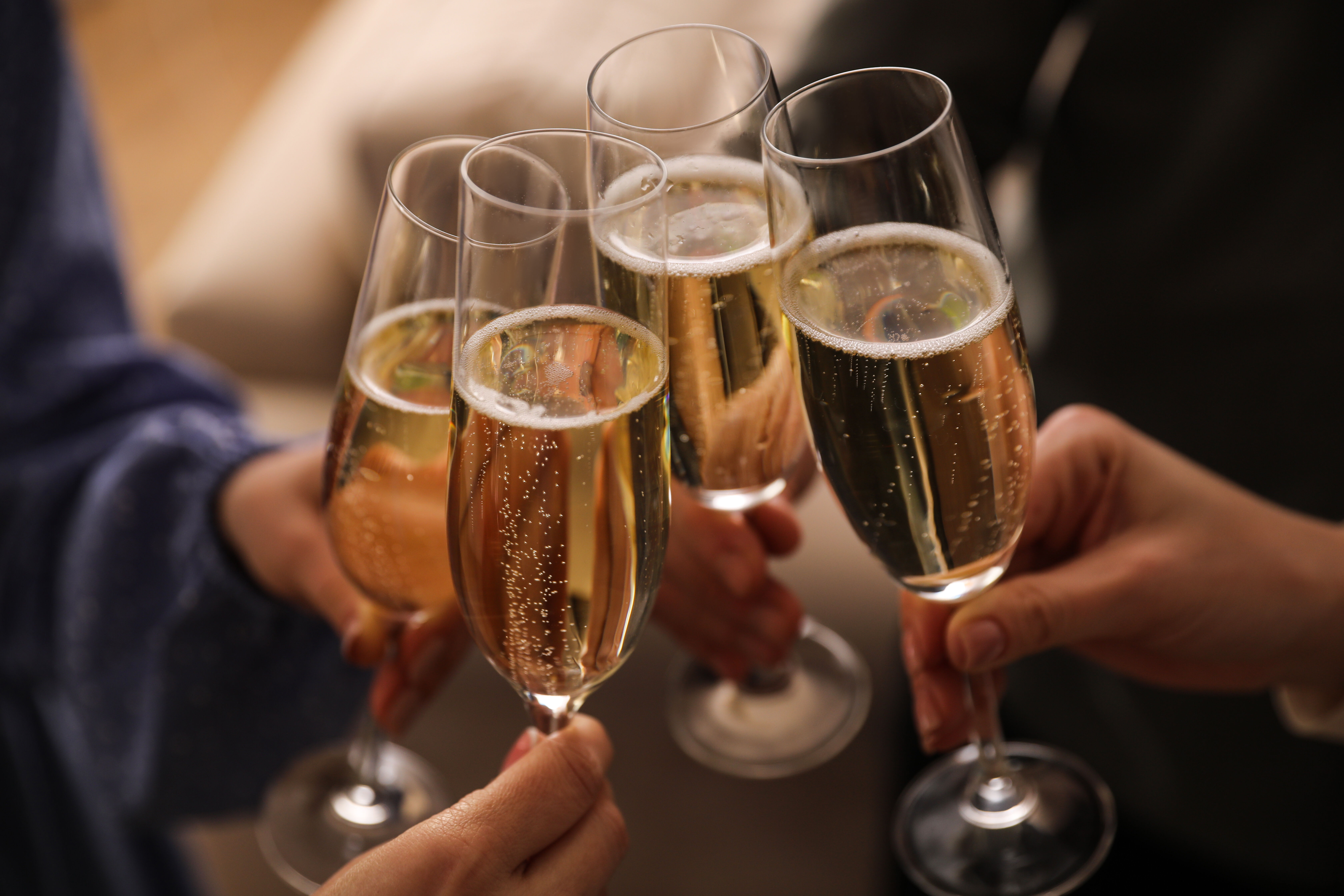
Sparkling wine gets its bubbles from carbon dioxide (CO₂), a natural byproduct of fermentation that becomes trapped in the wine when it’s in a sealed environment that creates pressure. When the bottle opens and that CO₂ is released, it forms the bubbles and gentle fizz we associate with every glass.
So how is sparkling wine made? The method used to capture that CO₂ shapes the style and quality of the finished wine. Here are the four main approaches.
1. The Traditional Method (Méthode Champenoise or Méthode Traditionnelle)
The traditional method creates bubbles through a second fermentation inside the individual bottle. It's the technique used for Champagne and many premium sparkling wines.
It is labor-intensive, and it's worth every moment. The process produces fine, persistent bubbles and complex, toasty, brioche-like notes from extended aging on the lees (spent yeast). It is considered the gold standard for quality sparkling wine.
2. The Tank Method (Charmat Method)
The tank method creates bubbles through a second fermentation in large, pressurized, sealed tanks rather than individual bottles. It's the technique behind Prosecco.
This approach is faster and more affordable. It yields fresher, fruitier, more floral wines with slightly softer bubbles. It's ideal for wines meant to be enjoyed young and lively.
3. The Ancestral Method (Pétillant Naturel, or Pét-Nat)
The ancestral method, which produces pét-nat wines, bottles the wine before its first fermentation is finished, trapping the naturally occurring CO₂.
This is the oldest known method of making sparkling wine. The result is rustic, lightly fizzy, and often cloudy, and it has become a favorite among natural wine fans.
4. Direct Carbonation
The simplest method injects carbon dioxide directly into still wine, much like a soda.
It is the least expensive method and produces large, short-lived bubbles. It's typically reserved for inexpensive, casual sparkling wines.
How We Make Sparkling Wine at La Crema
At La Crema, our limited-production sparkling wines are patiently crafted using the traditional method, the process honed over centuries in France and the one we consider the gold standard.
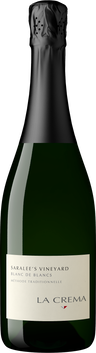
We take a small-batch, hands-on approach. Our Saralee's Vineyard Blanc de Blancs is made from 100% Chardonnay. After harvest, we press the fruit in whole clusters to preserve the purity of the juice, blend the base wine, and then place it in the bottle for the secondary fermentation, where it ages on its lees for at least four years.
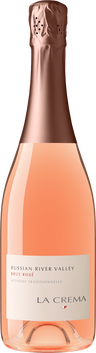
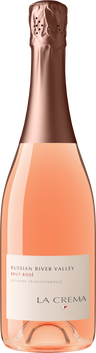
Our Russian River Valley Brut Rosé, also crafted in the traditional method, is composed of roughly two-thirds Pinot Noir and one-third Chardonnay, and we age it on the lees for a little more than two and a half years. Unlike the Blanc de Blancs, which is reflective of a single growing season, the Brut Rosé is a blend of multiple vintages.
The vineyard matters just as much as the cellar. The Russian River Valley sits about 10 miles from the Pacific Ocean. Cooling fog rolls in each morning and evening, and warm afternoons follow. That rhythm lets the grapes develop complex flavor while holding on to the bright acidity that great sparkling wine needs. We're proud that our wines are Certified California Sustainable and crafted with utmost respect for the land.
The Major Types of Sparkling Wine
Ready to meet the stars of the bubbly world? Here are the sparkling wine types you'll encounter most often. Each has its own origin, method, and personality.
| Type of Sparkling Wine | Origin & Method | Key Characteristics |
|---|---|---|
| California & New World | California coastal appellations; produced via traditional to tank methods | Bright fruit character from cool climates; acid-driven, elegant, and balanced |
| Champagne | Champagne region, France; traditional method (legally protected name) | Graceful, persistent bubbles with high acidity and a toasty, complex profile |
| Prosecco | Italy; tank method using the Glera grape | Fresh, fruity, and floral with softer bubbles; lighter, accessible, and ideal for spritzes |
| Cava | Catalonia, Spain; traditional method using Parellada, Xarel-lo, and Macabeo | Crisp acidity with subtle toastiness; delivers Champagne-style complexity at great value |
| Crémant | French regions outside Champagne (e.g., Alsace, Burgundy, Loire); traditional method | Traditional-method elegance and quality at an accessible price point |
California and New World Sparkling Wine
California and other New World sparkling wines are produced using a range of methods, from traditional to tank. They showcase the bright fruit character of cool-climate growing regions.
California's coastal appellations, with their fog and long growing seasons, produce acid-driven fruit that is exceptionally well-suited to elegant, balanced sparkling wine. That's the heart of our approach at La Crema. Two bottles to know:
- Saralee's Vineyard Blanc de Blancs 2019: 100% Chardonnay with aromas of baked apple, fresh Meyer lemon, and a hint of proofing bread dough. On the palate you'll find lime and hazelnut, with a bright finish.
- Russian River Valley Brut Rosé: 65% Pinot Noir and 35% Chardonnay, delicate and nuanced, with white flowers, Braeburn apple, and crushed oyster shell. Lemon meringue, wild strawberries, and fresh ginger follow on the palate.
Champagne
Champagne is a sparkling wine made exclusively in the Champagne region of France using the traditional method.
Known for its graceful, persistent bubbles, high acidity, and toasty, complex character, Champagne is made primarily from Chardonnay, Pinot Noir, and Pinot Meunier. It is the most prestigious sparkling wine in the world, and its name is legally protected — meaning a sparkling wine is not allowed to be called Champagne unless it hails from France’s Champagne region.
Prosecco
Prosecco is an Italian sparkling wine made primarily from the Glera grape using the tank method.
It's fresh, fruity, and floral, with softer bubbles. It's lighter and more approachable than Champagne, typically more affordable, and famously used to make a spritz cocktail.
Cava
Cava is a Spanish sparkling wine made in the traditional method, offering Champagne-style complexity at a friendlier price.
Produced mainly in Catalonia from the native Spanish grapes Parellada, Xarel-lo, and Macabeo, it’s known for its crisp acidity, subtle toastiness, and excellent value.
Crémant
Crémant is a French sparkling wine made using the traditional method but produced outside the Champagne region.
Made in multiple regions across France, such as Alsace, Burgundy, and the Loire, it offers traditional-method elegance at a more accessible price point.
Sparkling Wine vs Champagne: What's the Difference?
At the risk of sounding like a broken record, remember that all Champagne is sparkling wine, but not all sparkling wine is Champagne. Champagne is a specific type of sparkling wine that can only be made in the Champagne region of France using the traditional method.
Sparkling wine is the broad category that encompasses Champagne, Prosecco, Cava, Crémant, and every other bubbly wine. Calling all sparkling wine "Champagne" is a common mistake, a bit like calling every tissue a Kleenex.
Here's the reassuring takeaway. Outstanding sparkling wine is made all over the world, reflecting different regions, grapes, and production methods. You don't need the Champagne name to find a bottle worth celebrating.
How to Serve Sparkling Wine
A few simple habits make every pour feel even more delicious. Think of these as tips from a friend:
- Chill it well. Serve sparkling wine cold, between 40 and 50°F, to keep the bubbles crisp and the wine refreshing. Curious about other wines? Here's our guide to the right wine serving temperature.
- Open it gently. Skip the dramatic pop. Hold the cork and twist the bottle slowly for a soft hiss, which preserves the bubbles and is safer. Make sure no one is in the path of the cork.
- Use a flute or a tulip glass. Flutes preserve the bubbles, while tulip-shaped glasses also let the aromas develop. Skip the wide coupe if you want the fizz to last. It’s also totally fine, and often recommended, to use a universal wine glass.
- Pour at an angle. Tilt the glass and pour slowly down the side to preserve the effervescence.
- Chill quickly if needed. An ice bucket with equal parts ice and water chills a bottle in about 20 minutes.
What to Pair with Sparkling Wine
Sparkling wine is one of the most versatile food-pairing wines because its acidity and effervescence cleanse the palate and cut through rich, salty, and fried foods. Sparkling wine food pairings are wonderfully forgiving, so you can go from elegant to everyday without a second thought.
| Food | Why It Works |
|---|---|
| Oysters and raw bar | Bright acidity mirrors the briny freshness |
| Fried foods and appetizers | Bubbles cut through the oil and richness |
| Soft and creamy cheeses | Acidity balances the fat |
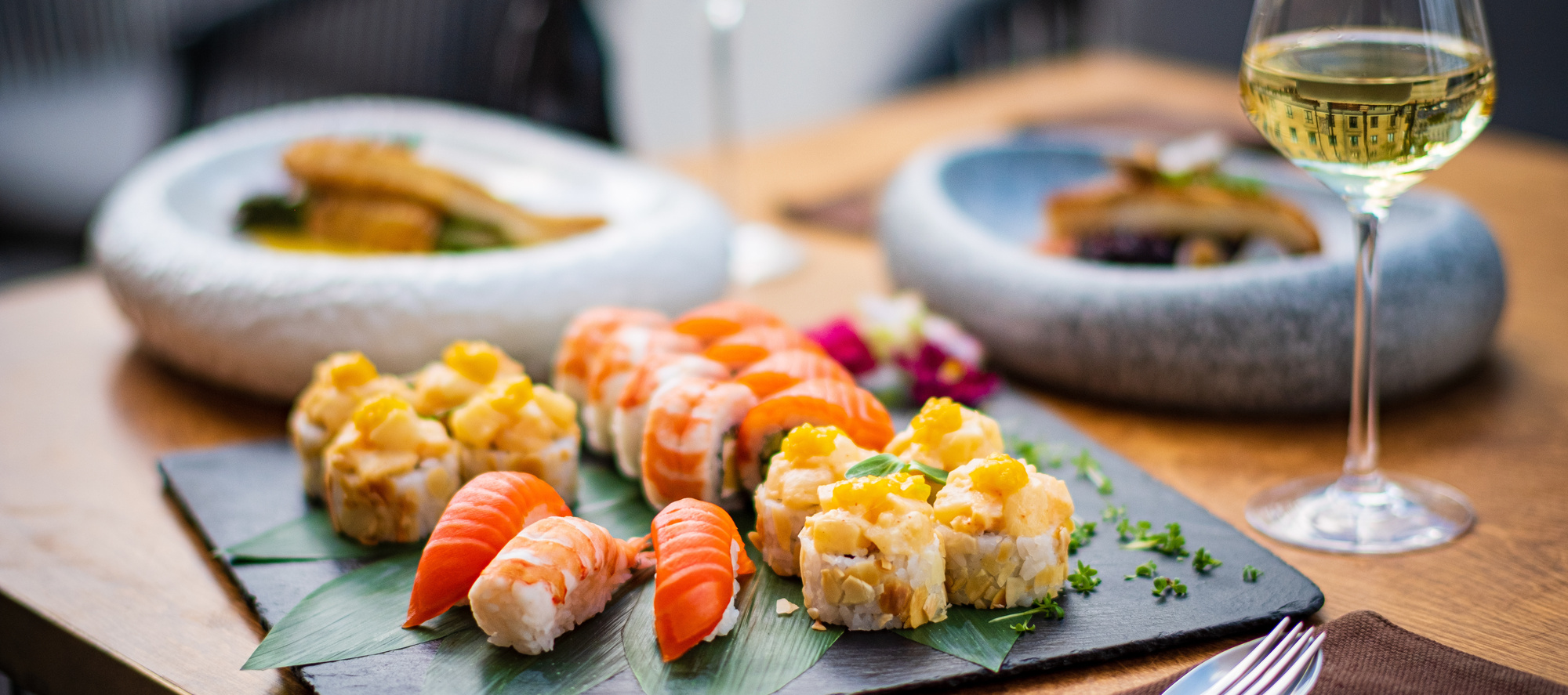
| Sushi | Effervescence handles soy and umami |
| Fruit and light desserts | Off-dry styles echo the sweetness |
| Brunch dishes | The classic mimosa-hour pairing |
| Popcorn and salty snacks | Surprisingly perfect: salt loves bubbles |

Raise a Toast with La Crema
Sparkling wine is one of the most joyful and versatile styles of wine in the world, and understanding what's behind the bubbles makes every glass more rewarding.
At La Crema, our cool-climate California heritage and coastal fruit lend themselves to bright, finessed, food-friendly sparkling and still wines worth celebrating. We invite you to explore our full portfolio and find a bottle for your next celebration, big or small.
FAQs
What is sparkling wine?
Sparkling wine is any wine with significant levels of carbon dioxide that create bubbles and effervescence. The category includes Champagne, Prosecco, Cava, and many other styles from around the world.
Is Champagne a sparkling wine?
Yes, Champagne is a type of sparkling wine, but it can only be made in the Champagne region of France using the traditional method. All Champagne is sparkling wine, but not all sparkling wine is Champagne.
Is Prosecco the same as Champagne?
No. Prosecco is an Italian sparkling wine made from the Glera grape using the tank method, while Champagne is a French sparkling wine made using the traditional method. They differ in origin, grape, production, and flavor.
How is sparkling wine made?
Sparkling wine is made through a second fermentation that traps carbon dioxide in the wine. This can happen in individual bottles (traditional method), in large tanks (tank method), or through other techniques like the ancestral method.
What does Brut mean?
Brut is a term indicating a dry sparkling wine with very little residual sugar. It is the most popular and widely available style of sparkling wine.
Is sparkling wine sweet?
Sparkling wine ranges from bone dry to very sweet depending on its style. After the secondary fermentation and the removal of the spent yeast, winemakers top off each bottle with a liqueur d'expédition, a blend of wine and sugar. The amount of sugar in that final splash sets the style, from bone-dry Brut Nature and dry Brut to the sweeter Extra Dry and very luscious Demi-Sec.
What is the best way to serve sparkling wine?
Serve sparkling wine well chilled, between 40 and 50°F, in a flute or tulip-shaped glass. Open the bottle gently to preserve the bubbles.
How long does sparkling wine last after opening?
Once opened, sparkling wine stays fresh for about 1 to 3 days if resealed with a sparkling wine stopper and refrigerated, though it will gradually lose its bubbles.
