

Recent Posts



What is Sustainable Wine? Everything You Need to Know
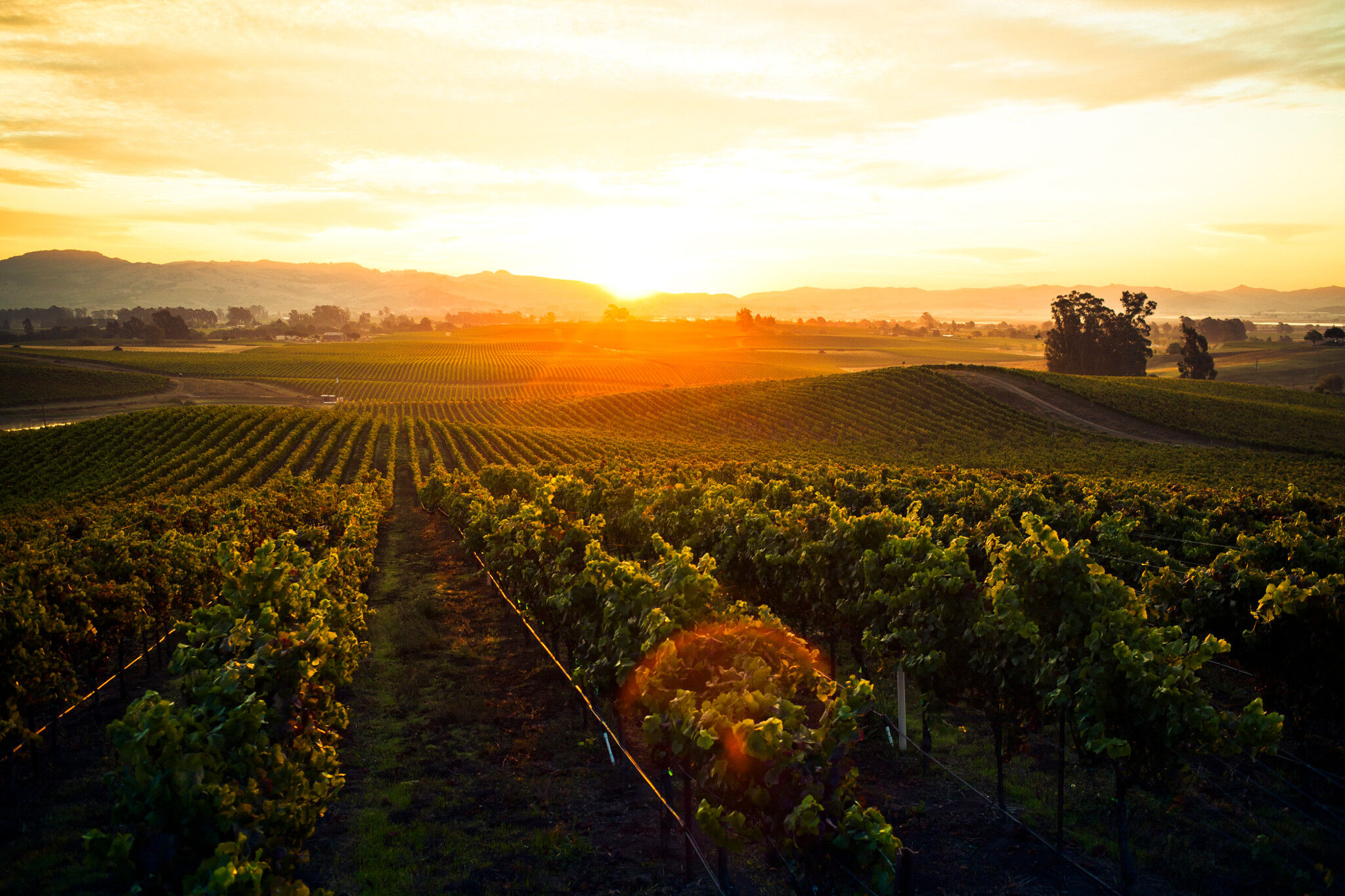
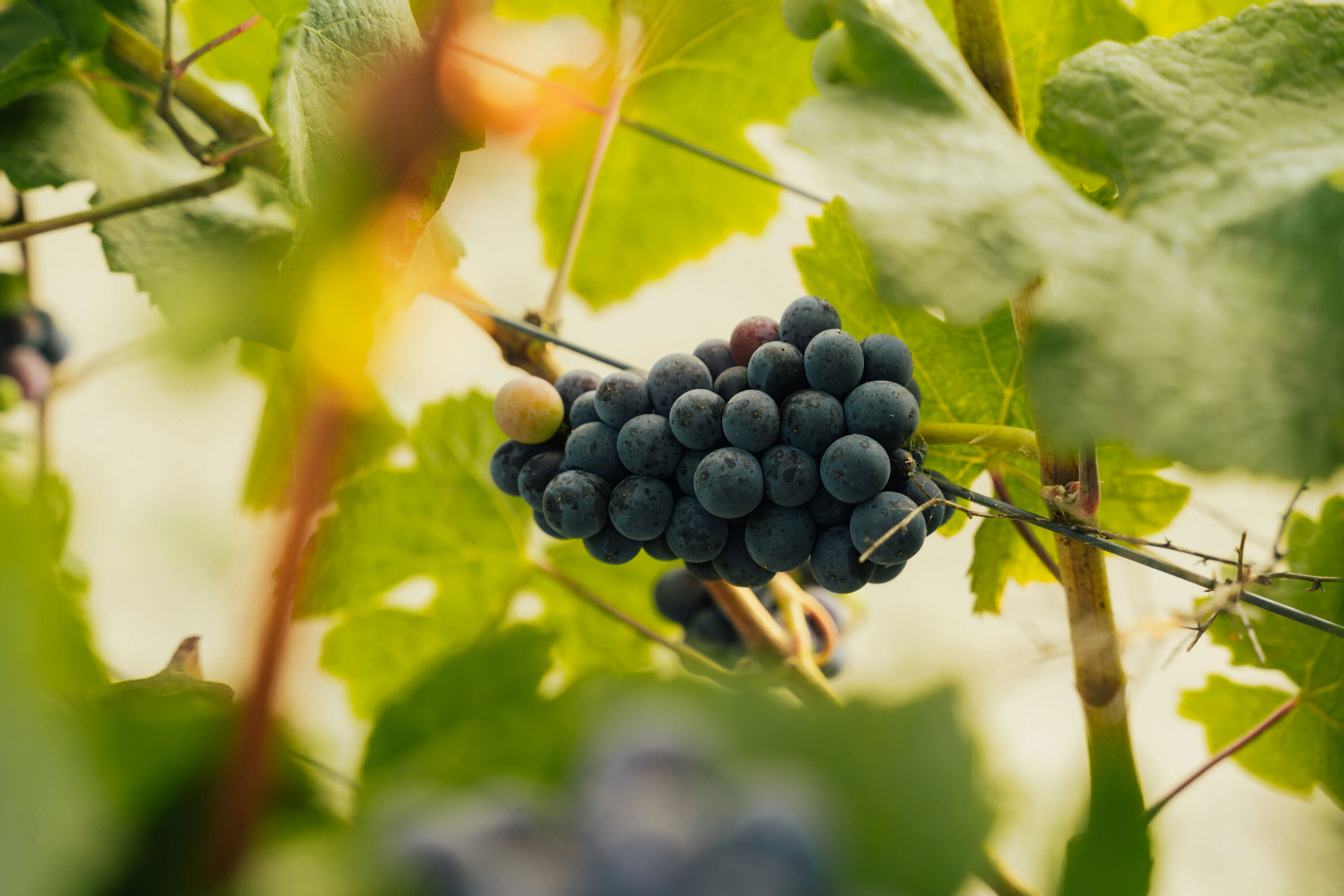
Step into a vineyard just before dawn, when the morning mist still clings to the vines, and you will feel a deep connection between the earth and the fruit it bears. There is a quiet reverence in the cool air, an unspoken promise that the land will provide if we treat it with respect.
Over the last decade, this deep appreciation for the environment has sparked a remarkable transformation in how we grow, harvest, and craft our favorite vintages. Wine lovers are increasingly drawn to eco-conscious viticulture, asking important questions about the origins of the wine in their glasses. They want assurance that the bottles they drink and share with friends are produced in harmony with nature.
Understanding the philosophy of a sustainable winery is the first step toward making mindful choices that support our planet. This guide is here to help you understand what sustainable wine means, how it differs from organic or biodynamic approaches, which certifications to look for, and the real‑world practices that make a certified sustainable wine more than just a good idea. Along the way, you’ll see how La Crema puts wine sustainability into action—rooted in place and built to last.
What Does "Sustainable Wine" Actually Mean?
At its core, sustainable winemaking is a holistic approach to farming and production that protects the environment, supports the community, and ensures economic viability for future generations (also referred to as the three Ps: planet, people, and profit). It is a philosophy that views the vineyard not as a factory, but as a living, breathing ecosystem. Producing sustainable wines requires a profound dedication to stewardship. Winemakers must consider the environmental impact of every decision, ensuring that the land remains vibrant and capable of producing exceptional fruit year after year.
Many people confuse this approach with simply being "organic," but wine sustainability goes much further. It examines the entire lifecycle of the bottle, from the health of the soil to the water used in the cellar, the energy powering the lights, and the recycling of the glass. La Crema stands proudly as a leader in this space, driven by a commitment to preserving the wild, unique character of coastal California vineyards. By valuing the environment as a partner, we craft wines that honor the earth. You can learn more about our specific practices by exploring our dedication to wine sustainability.
The Four Pillars of Sustainability in the Vineyard
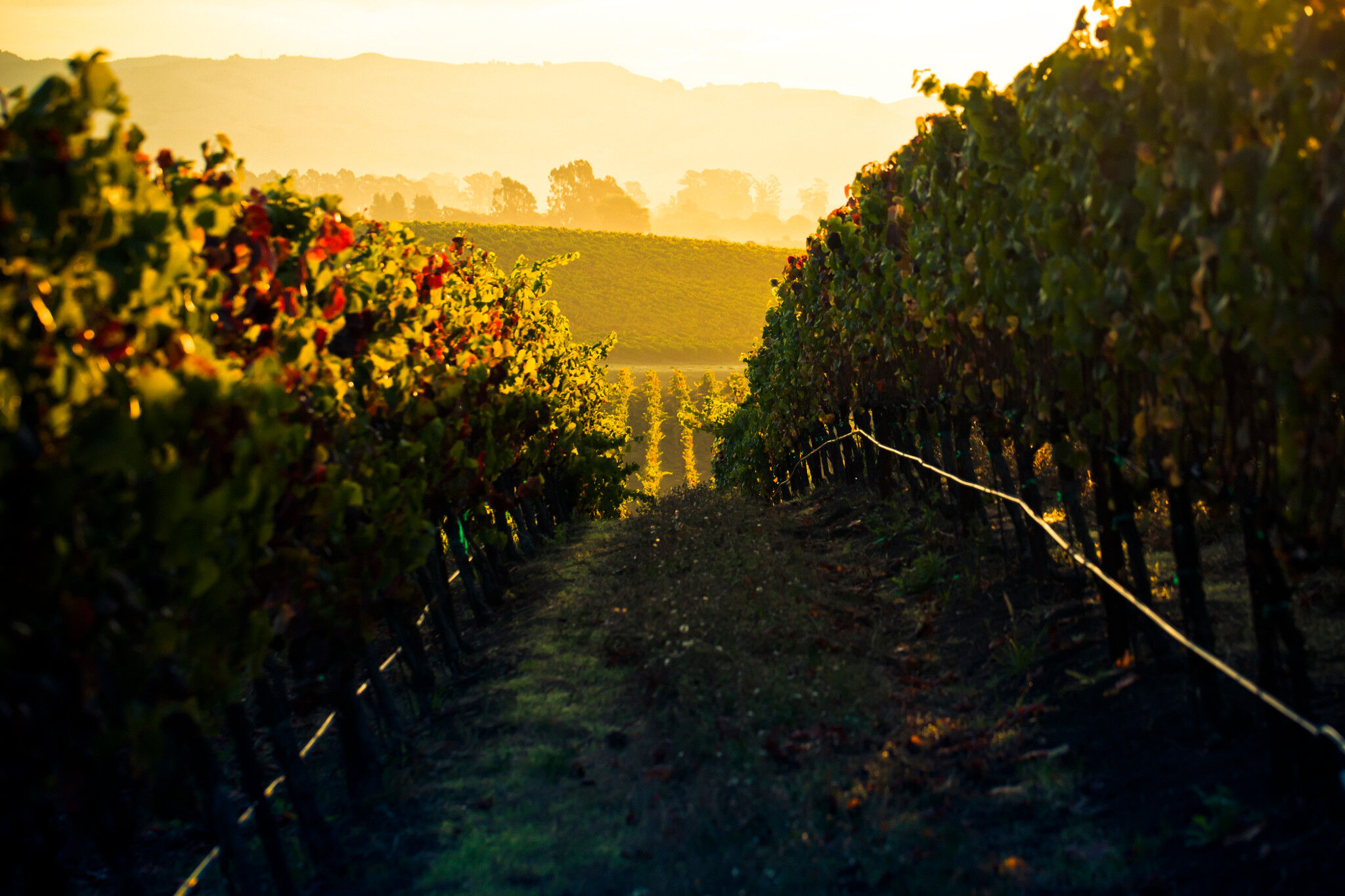
At La Crema, we lean on four essential pillars to guide our relationship with the land, ensuring that we are supporting the environment rather than depleting it.
Land Conservation
Our philosophy of gentle fruit handling begins with the earth itself. We proudly leave 60% of our estate vineyard properties in their natural habitats. This deliberate choice allows natural habitats to thrive untouched, giving local wildlife a sanctuary and integrating our vines into the broader ecosystem. Rather than dominating the landscape, our sustainable vineyards become an integral part of it.
Water Conservation
Water is a precious and finite resource, especially in California. We capture tens of thousands of gallons of rainwater annually to provide our vines with untreated, nutrient-rich hydration. We also recycle water used inside the winery to irrigate the fields, allowing the water to replenish deep natural aquifers. To maximize water conservation, we use precision drip irrigation guided by wireless soil moisture monitors.
Energy Efficiency
Harnessing the power of the sun allows us to reduce our reliance on traditional power grids. Our expansive solar array of 3,000 panels generates enough clean energy to offset 70% of our winery's annual electricity needs—which is enough to charge over 103 million smartphones. A central computer continuously monitors our facility, optimizing energy usage to keep our carbon footprint as small as possible.
Regenerative Farming
Healthy soil is the heartbeat of a great wine. We actively improve soil vitality through reduced tillage, composting, cover crops, animal grazing, and nesting boxes. Reduced tillage keeps the soil cooler, increases its water-holding capacity, and supports beneficial microbes. Nutrient-rich compost teas, made from grape residue, divert 99% of our organic waste from landfills. Cover crops, like legumes and clover, help us capture carbon from the atmosphere and store it in the soil. Roaming sheep and chickens naturally control weeds and fertilize the soil. Nesting boxes attract raptors, owls, and falcons that provide natural pest control without the need for chemical fertilizers. Combined, these practices enable our lands to sequester three times more carbon than we emit every year, helping to reduce greenhouse gas emissions and fight climate change.
Sustainable vs. Organic vs. Biodynamic: What is the Difference?
These terms often appear together, but they aren’t interchangeable. Understanding their differences is a matter of knowing the intention behind each approach.
- Organic wine focuses on what can’t be used—specifically, prohibited synthetic chemicals in the vineyard and winery.
- Sustainable wine refers to a broader, holistic management philosophy that considers environmental impact (“planet”), social responsibility (“people”), and economic viability (“profit”). It includes many organic and regenerative practices but expands its view to encompass the entire operation. A sustainable winery focuses on carbon sequestration, water recycling, renewable energy, and the long-term health of the surrounding ecosystem.
- Biodynamic wine treats the vineyard as a closed, self‑sustaining ecosystem. Farmers often follow lunar cycles for planting and harvesting and use specific herbal and mineral preparations to treat the soil. Nothing is brought in from the outside, and nothing is wasted.
In short, organic wine is about inputs, sustainable wine is about systems, and biodynamic wine is about the vineyard as a living, self-sustaining system.
How Sustainable Wine is Made
The journey of sustainable wines begins in the vineyard. It starts with thoughtful site selection, responsible farming, and a deep respect for natural resources. Farming regeneratively, promoting biodiversity, and conserving water create healthy soils and balanced vines, resulting in higher-quality grapes and wine.
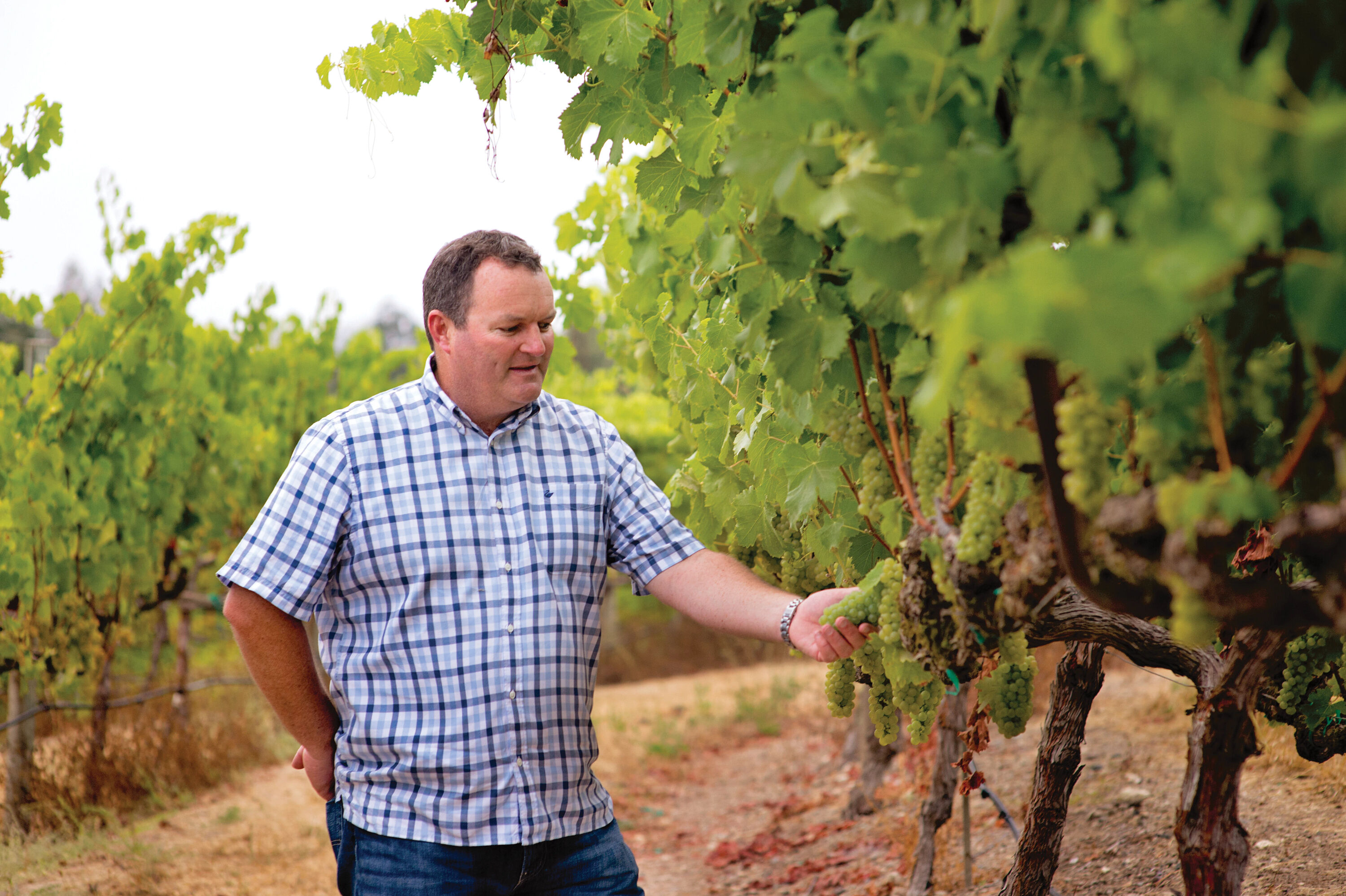
During the growing season, our winemaker, Craig McAllister, and his team walk the rows daily throughout the season, tasting the grapes and waiting for the seeds to turn from green to brown, signaling perfect ripeness. When it’s time to harvest, our vineyard team picks the grapes during the coolest hours of the night or early morning, handling them with great care. This ensures the clusters arrive at the cellar crisp, firm, and in prime condition.
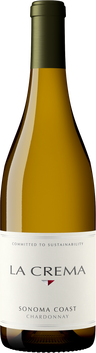
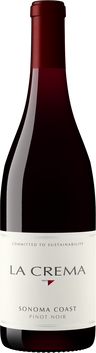
At our solar-powered winery, we use small-batch methods and traditional artisan techniques. For our Chardonnay, we gently compress whole clusters to capture fresh fruit character without extracting bitter compounds from the skins or seeds. Our Pinot Noir undergoes a meticulous hand-sorting process before resting in a chilled "cold soak" for days, steeping the clear juice in dark skins to develop a luminous, gorgeous color. Any leftover grape skins, seeds, and stems are then composted in the vineyard. And the water we use to clean our barrels is recycled for irrigating the vines.
At La Crema, our sustainability efforts go hand in hand with our vineyard‑driven philosophy—letting each site speak clearly, without unnecessary intervention. Interested in learning more? Dive deeper into our winemaking approach.
Sustainability Certifications to Look For
Third-party certifications act as a vital bridge of trust between the winemaker and the consumer. These certifications require rigorous annual audits to ensure that a winery is not merely making empty promises (also called “greenwashing”) but actively implementing measurable, eco-friendly practices.
Look for these trusted certifications when searching for sustainable wine:
- Sustainability in Practice (SIP) verifies that a winery adheres to strict guidelines regarding habitat conservation, soil health, energy efficiency, water conservation, social equity, community care, business sustainability, and much more.
- Certified California Sustainable Winegrowing (CCSW) similarly demands continuous improvement in environmental stewardship, sustainable business strategy, and community care, with an annual assessment of 151 vineyard and 113 winery best practices.
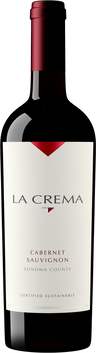
La Crema’s sustainability efforts are proudly validated by both SIP and CCSW. We welcome these rigorous third-party audits because they hold us accountable to our highest ideals. When you see these logos on a bottle, you can trust that the wine inside was crafted with a profound respect for the earth and a dedication to restorative agriculture.
Why Sustainability Matters for Wine Quality
There is a beautiful, undeniable truth in agriculture: the finest flavors are born from the healthiest soil. Sustainable practices improve the soil’s structure, increase its microbial life, enhance its water-holding capacity, and help the vines adapt to changing conditions. Vines that grow in nutrient-dense, regenerative soil develop deep, resilient root systems. These strong roots draw complex nutrients and water from the earth, producing grapes with remarkable depth, balance, and natural acidity. Over time, resilient, healthy vines produce more consistent, expressive fruit.
This is why La Crema focuses so heavily on vineyard-driven wines. We believe that a wine should tell the story of the place where it was grown. By eliminating chemical fertilizers and relying on composts and cover crops, our vines are forced to interact naturally with their environment. They become stronger and more expressive. When you taste a La Crema wine, you are experiencing the pure, unmasked essence of the California coast, captured consistently and beautifully over time.
Rooted for Good: The La Crema Legacy
In 2024, La Crema was honored as Wine Enthusiast’s American Winery of the Year, a recognition of decades of quality, innovation, and leadership in sustainability. That achievement reflects more than a single vintage—it reflects a long view.
This commitment remains front and center in our Rooted for Good Roadmap, a ten-year initiative to cut our carbon emissions in half by 2030, expand our water conservation efforts, and enhance local watersheds. We believe in taking action that improves the world around us.
We invite you to experience our deep dedication to the land firsthand with our Best of the Vine Estate Tour. Explore the vineyards up close with a small group, discover our innovative sustainability practices, and taste the flavors of eco-conscious farming. You can also learn more about our ongoing sustainability efforts that strive to make every sip an homage to nature.
Sustainable wine isn’t a trend at La Crema—it’s how we grow, how we make wine, and how we show up for the long run. It’s who we are. And every sip you enjoy of La Crema empowers our sustainability efforts for a better, greener future.
FAQs
Are sustainable wines also organic?
While sustainable and organic farming share similar philosophies, they are not identical. A certified sustainable wine may use some organic practices—such as using sheep for weed control or compost for fertilizer—but sustainability takes a wider view. It includes water conservation, renewable energy, and community stewardship. Some sustainable wineries are fully organic, while others use a hybrid approach that prioritizes the overall health of the vineyard ecosystem.
Do sustainable wines taste different?
Many experts and enthusiasts believe they do. Sustainable farming prioritizes soil health and biodiversity, resulting in stronger vines and concentrated, authentic flavors. Without heavy synthetic chemicals masking the soil's natural character, the grapes can perfectly express the specific terroir of their environment. This often leads to more vibrant, complex, and balanced profiles in your glass.
How can I verify that a brand is truly sustainable?
The most reliable way to ensure you are supporting a sustainable winery is to look for reputable third-party certifications on the label. Certifications like Sustainability in Practice (SIP) and Certified California Sustainable Winegrowing (CCSW) require stringent audits. These organizations verify that the vineyard and winery are actively practicing land conservation, energy efficiency, and water recycling, offering you complete peace of mind with every pour.
