

Recent Posts


The Ultimate Wine and Food Pairing Guide
With its litany of rules and fears of choosing the “wrong” bottle, wine and food pairing can often feel intimidating. But here’s the truth: Pairing wine with food isn’t a rigid science. It’s an art rooted in balance, curiosity, and a little confidence. At its best, the right pairing enhances both the dish and the wine, making them shine brighter together.
This wine and food pairing guide is here to simplify things. We’ll cover the foundational principles, walk through key flavor profiles, and share classic combinations that work beautifully at home. We want every enthusiast to feel confident and excited at the dinner table. We’ll help you understand which wines pair with which foods, taking the guesswork out of your next fabulous gathering.
The Basic Principles of Food and Wine Pairing
At the heart of food and wine pairing are two main strategies: congruent and complementary pairings:
- Congruent pairings: These bring together flavors that mirror one another—think a buttery Chardonnay with a creamy pasta sauce. The similar textures and flavor compounds create a seamless, harmonious experience.
- Complementary pairings: These are all about contrast. A high-acid wine with a rich dish, or a slightly sweet wine with spicy food, balances opposing elements to keep each bite and sip fresh and engaging.
Another key piece of how to pair wine with food is understanding how basic components interact. Fat in food can soften tannins and make wines feel smoother. Acid in wine can cut through richness and refresh the palate. Salt often enhances a wine’s fullness and reduces bitterness, while sweetness in food can significantly alter a wine’s flavor profile.
La Crema wines are especially versatile for pairing with food. With their balanced acidity and fruit-forward profiles, they adapt effortlessly to a wide variety of meals.
Understanding the Six Main Flavor Profiles
Before diving into specific pairings, it helps to understand the six core elements that drive successful food and wine combinations. Understanding these interactions will transform how you approach food and wine pairing.
- Fat: Rich, fatty foods coat the palate, which is why high-acid wines like Pinot Noir or sparkling wine are such effective partners. Their acidity cuts through the richness, cleansing the palate and preparing you for the next bite.
- Acid: Acidic foods—like citrus, tomatoes, or vinegar—need a wine with equal or higher acidity. Otherwise, the wine can taste flat or dull. Bright wines keep everything in balance.
- Salt: Salt is wine’s best friend. It can soften a wine’s bitterness, enhance its fruit flavors, and make it feel rounder and more generous. This is why salty foods pair so well with high-acid or slightly sweet wines.
- Sweetness: The golden rule of sweet pairings? Your wine should be sweeter than your food. If you pair a dry wine with a sweet dessert, the sugar in your food will make the wine taste thin or bitter, while a touch of sweetness in the wine keeps things harmonious.
- Heat: Love a fiery, spicy dish? Spicy foods pair best with low-alcohol and slightly sweet (also called off-dry) wines. High-alcohol wines intensify the chili burn, while a touch of sweetness offers a cool, soothing relief.
- Bitterness: Meat can have the effect of softening a red wine’s bitterness. This is because the proteins in the meat interact with the tannins in red wine, softening the perception of bitterness and making the wine feel smoother.
Classic Wine and Food Pairings to Try at Home
These combinations are reliable, crowd pleasing, and easy to recreate at home.
Creamy Pasta + Chardonnay
The rich, velvety texture of a creamy Alfredo sauce matches the lush, buttery body of an oaked Chardonnay for a seamless mouthfeel. Need some inspiration? Check out our Ultimate Pasta and Wine Pairing Guide to learn more.
Ribeye Steak + Cabernet Sauvignon
The bold, grippy tannins in Cabernet Sauvignon break down the rich proteins and fat in a beautifully marbled steak. It is an intensely satisfying combination.
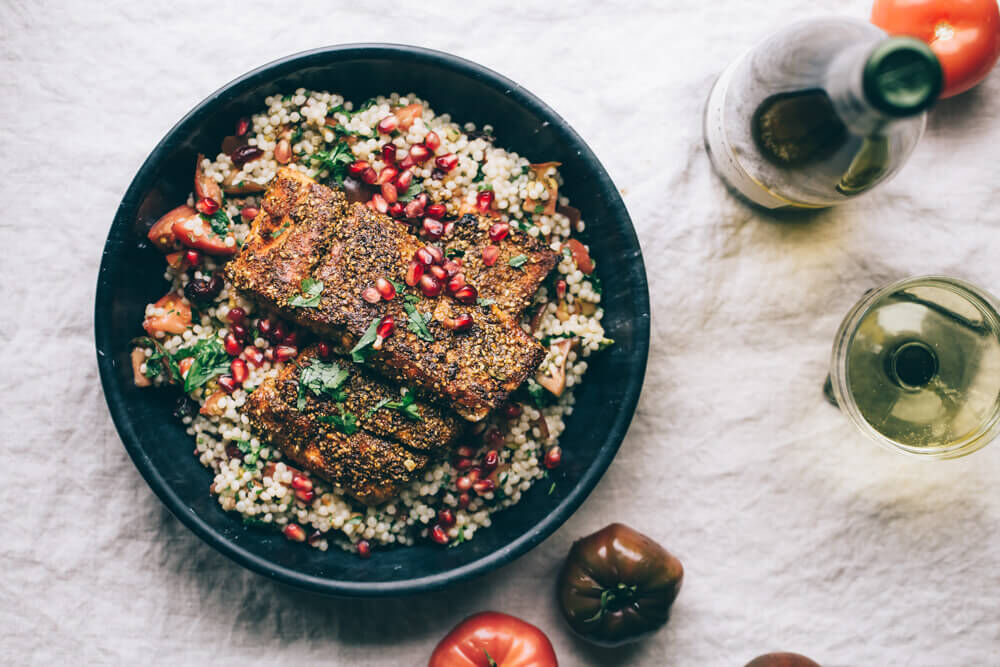
Grilled Salmon + Pinot Noir
The subtle earthy notes of Pinot Noir enhance the fatty richness of the fish without ever overpowering it. Discover more pairing ideas in our Salmon and Wine Pairing Guide, or try making this winning Honey Mustard Glazed Salmon with a Spring Slaw for your next luncheon.
Goat Cheese + Sauvignon Blanc
High acidity in both the tangy fresh cheese and the zippy wine creates a delicious match. Brush up on your appetizer skills with our Beginner's Guide to Wine and Cheese Pairing.
Mediterranean Tapas + Rosé
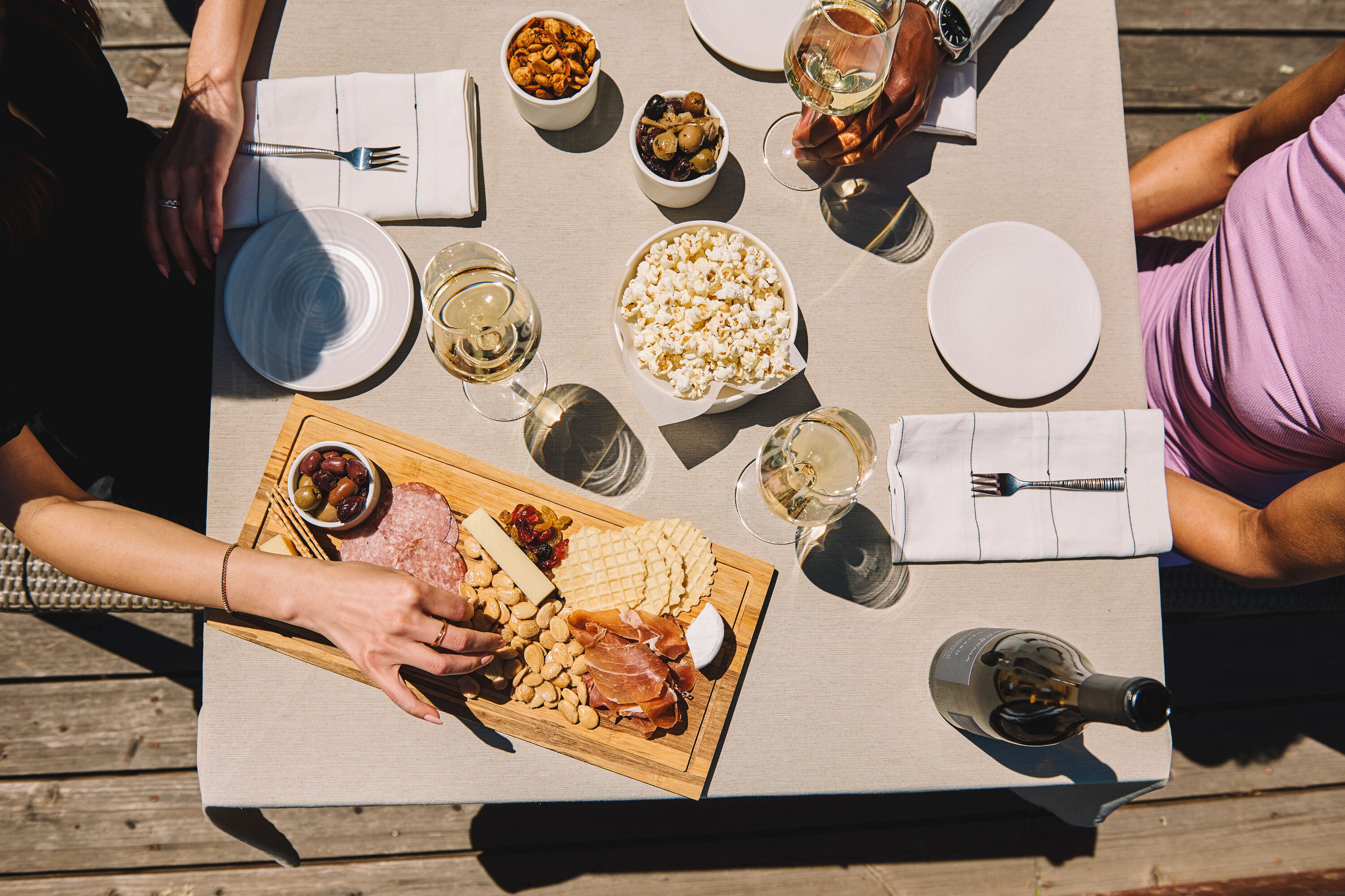
Rosé is a versatile wine that bridges light snacks, salty olives, and savory appetizers with ease.
Common Wine and Food Pairing No-Nos: What to Avoid
Even seasoned wine lovers encounter pairing pitfalls occasionally. Here are several common mistakes to avoid when matching wine with food.
- High Heat and High Alcohol: Pairing very spicy food with high-alcohol red wines is a common mistake. Alcohol intensifies the burn of spice, which can make the wine taste bitter and hot.
- Red Wine and Oily Fish: Bold tannins in red wines clash with the oils in fish like mackerel or sardines, creating an unpleasant metallic aftertaste.
- Sweet Food and Dry Wine: A sweet dessert will make a dry wine taste sour, bitter, or thin. Here’s a simple rule to remember: Always pair sweet food with sweet wine.
- Vinegar Overload: Dishes with heavy vinegar dressings will overwhelm most wines, with the tartness subduing the wine’s fruitiness. If vinegar is unavoidable, reach for a high-acid wine that can keep pace with the tartness.
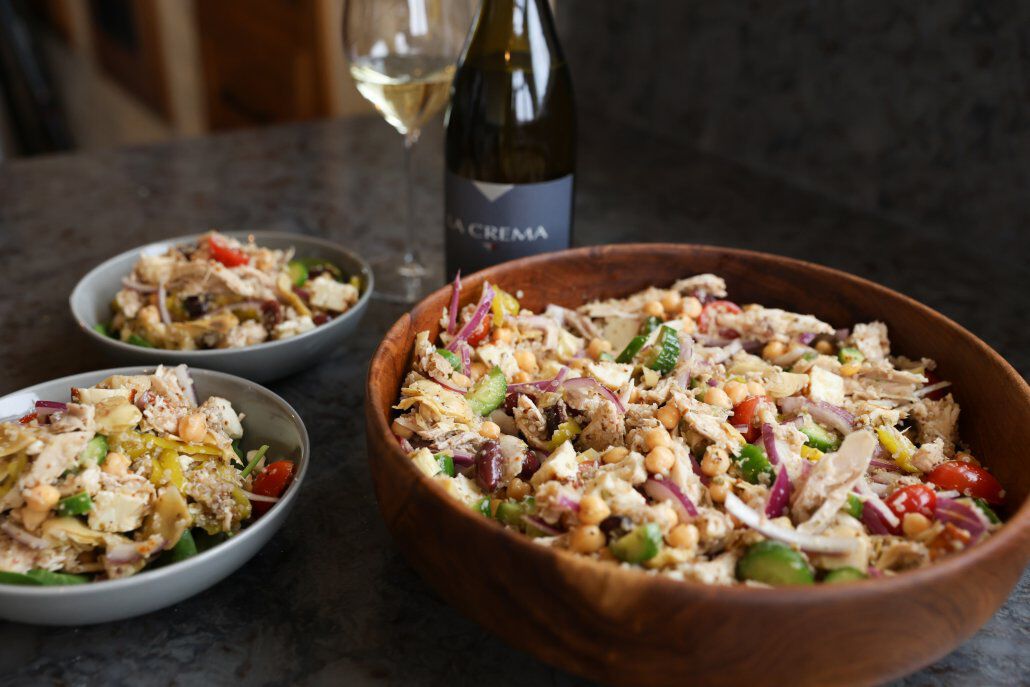
Pairing Food and Wine by Varietals
While general rules are helpful, focusing on the specific characteristics of a wine variety can simplify your decision-making process.
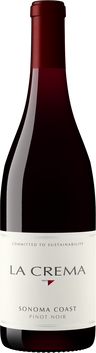
Pinot Noir
Pinot Noir is the ultimate “it gets along with everyone” red—light enough for delicate dishes, yet complex enough to keep richer plates interesting. It typically brings bright red fruit, subtle earth, and a silky texture that won’t bulldoze your meal. When you’re unsure what to pour, Pinot Noir is often the safest bet that still feels like a flex.
- Flavor Profile: Cherry, raspberry, cranberry, rose petal, forest floor, gentle spice.
- Best Food Pairings: Grilled salmon, roasted chicken, duck, mushroom risotto, pork tenderloin.
- Unexpected Pairings: Miso-glazed eggplant; charcuterie with fig jam (or any sweet-savory board situation).
- Why It Works: Moderate tannins + bright lift make it adaptable—enough structure for richer bites, but not so much that it clashes with lighter proteins.


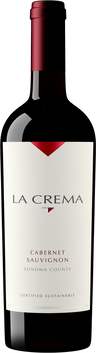
Cabernet Sauvignon
Cabernet Sauvignon is bold, structured, and confidently intense—the wine equivalent of showing up in a tailored blazer. It’s known for firm tannins and dark fruit depth, which is why it loves protein, smoke, and anything coming off a hot grill. When the meal is hearty, Cab is the friend you call.
- Flavor Profile: Black cherry, blackberry, cassis, cedar, baking spice, cocoa, sometimes a hint of bell pepper.
- Best Food Pairings: Ribeye, lamb chops, short ribs, burgers, aged cheddar.
- Unexpected Pairings: Mushroom “steak” (portobello or king oyster); dark chocolate with sea salt.
- Why It Works: Tannins bind with protein and fat, making the wine taste smoother and the food taste even more savory.
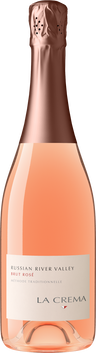
Sparkling Wine
Because nothing says "I love you" like a little fizz! Sparkling wine turns Valentine’s Day into a celebration—festive, glamorous, and oh-so-fun. Whether you’re popping Champagne, pouring Prosecco, or going pink with sparkling rosé, this is your permission slip to add some sparkle to your love story.
Sparkling wines shine with oysters, caviar, strawberries, and any desserts that invite a little flirting. Their lively effervescence and acidity make them incredibly versatile with everything from fancy foie gras to delectable fried chicken. La Crema’s sparkling wines are crafted in the traditional méthode traditionnelle, delivering exquisite complexity, joy, and a dose of passion in every sip.

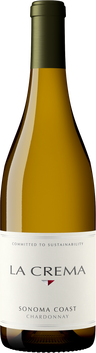
Chardonnay
Chardonnay is a shape-shifter: it can be crisp and mineral-driven or rich and layered, depending on how it’s made. That range makes it one of the most useful whites at the table—especially when sauces get involved. In general, leaner styles love bright, simple preparations, while richer styles thrive with butter, cream, and roasted flavors.
- Flavor Profile: Apple, pear, lemon, stone fruit; plus (in richer styles) vanilla, toasted nuts, buttered brioche.
- Best Food Pairings: Roast chicken, creamy pasta, lobster with butter, scallops, roasted vegetables.
- Unexpected Pairings: Buttery popcorn; sushi or sashimi
- Why It Works: Acidity balances richness, and the wine’s texture can match creamy sauces so nothing feels out of sync.


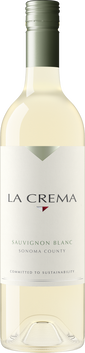
Sauvignon Blanc
Sauvignon Blanc is your go-to for dishes that are green, bright, herbal, citrusy, or tangy. It’s lively and aromatic, which makes it a cheat code for salads, goat cheese, and anything with lemon, lime, or fresh herbs. If the plate tastes like it got dressed in a squeeze of citrus, Sauvignon Blanc usually understands the assignment.
- Flavor Profile: Lime, grapefruit, passionfruit, gooseberry, fresh-cut herbs, sometimes a mineral edge.
- Best Food Pairings: Goat cheese, oysters, ceviche, green salads, pesto pasta, chicken with herbs.
- Unexpected Pairings: Asparagus (yes, really); artichokes with lemon aioli.
- Why It Works: Brisk acidity can keep pace with tangy foods, and herbal notes naturally echo herbs and green vegetables on the plate.
Pinot Gris
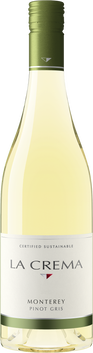
Pinot Gris (Pinot Grigio’s slightly fuller-voiced cousin) is light, easy, and quietly versatile. It typically leans crisp and fruit-driven, making it ideal for lighter meals, sunny-day snacks, and dishes where you don’t want the wine to steal the spotlight. Think of it as the “just right” white when you want something refreshing but not too sharp.
- Flavor Profile: Pear, melon, apple, citrus peel, white flowers; sometimes a subtle spice note.
- Best Food Pairings: White fish, shrimp, summer salads, light pastas, sushi rolls, mild cheeses.
- Unexpected Pairings: Prosciutto-wrapped melon; Vietnamese spring rolls with peanut sauce.
- Why It Works: Gentle fruit + clean acidity complement delicate flavors, while a touch of weight helps it handle light sauces and herbs.
Rosé
Rosé is the flirty best friend of the wine world—fun, pink, refreshing, and utterly irresistible. It offers the best of both worlds, combining the crispness of a white wine with the fruit-forward character of a red. With its strawberry, citrus, and watermelon notes and juicy acidity, rosé pairs with almost anything. We love it with a charcuterie board, creamy cheeses, take-out, or even Valentine’s desserts. Bonus: sparkling rosé instantly doubles the romance!
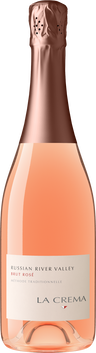
La Crema’s sparkling Russian River Valley Brut Rosé, refreshing Monterey Rosé, or elegant Saralee’s Vineyard Rosé will add a flirty splash of pink to your V-Day.

The Impact of Sauces and Seasonings
Here’s an insightful tip from top chefs: Surprisingly, the sauce often dictates the wine choice more than the protein itself.
For example, chicken served with a lemon butter sauce calls for a very different wine than the same chicken coated in a spicy barbecue glaze. The lemon butter sauce would go better with a Chardonnay, while the spicy barbecue glaze would harmonize well with a fruity rosé. Pro-tip: Always match your wine to the most prominent flavor on the plate.

Make Your Next Meal a Hit with La Crema Wines
La Crema wines are crafted with food in mind. Sourced from premium coastal vineyards, our wines are known for their elegance, freshness, and natural compatibility at the table. This focus on harmony makes them ideal companions for everything from casual weeknight dinners to celebratory feasts shared with friends and family.
Ready to put your newfound wine and food pairing knowledge into practice? Explore the La Crema collection and shop online to find the perfect bottle for your next meal.
