

Recent Posts

Champagne vs Sparkling Wine: What is the Difference?
Have you ever seen a TV show where one character is popping the cork on a bottle of bubbles, and another yells, "Pour the Champagne!"? What's in the bottle, however, might not be Champagne but rather Prosecco, Cava, or a beautifully crafted California sparkling wine. It's one of the most common and understandable mix-ups in the wine world. Bubbly has a way of making everyone feel celebratory first and precise second.
While it’s natural to use Champagne as shorthand for all sparkling wine, there are key differences, and we’re here as a friendly guide to clear up any misperceptions. Here's the thesis in one toast-worthy line: All Champagne is sparkling wine, but not all sparkling wine is Champagne. If you've ever wondered about the difference between sparkling wine and Champagne, or asked yourself, "Is Champagne sparkling wine?" you’re in the right place. At La Crema, our cool-climate expertise shapes every traditional-method sparkling wine we make, and we're delighted to share what we know.
The Short Answer
The key difference is geography: Champagne is a sparkling wine that can only be made in the Champagne region of France using a specific method, while sparkling wine is the broad category that includes Champagne, Prosecco, Cava, and every other bubbly wine made around the world using various techniques. Want to learn more? Check out our guide on What is Sparkling Wine.
Sparkling Wine vs. Champagne at a Glance
Need the quick version? This Champagne vs. sparkling wine chart covers the essentials.
| Feature | Champagne | Sparkling Wine (Broad Category) |
|---|---|---|
| Origin | Only the Champagne region, France | Anywhere in the world |
| Method | Traditional method (méthode champenoise) | Varies (traditional, tank, ancestral, carbonation) |
| Main Grapes | Chardonnay, Pinot Noir, Pinot Meunier | Varies by region and style |
| Legal Protection | Protected by law and region | Not restricted |
| Common Examples | Champagne | Prosecco, Cava, Crémant, Sekt, California sparkling |
| Typical Character | Fine bubbles, toasty complexity, high acidity | Ranges from fresh and fruity to rich and toasty |
What Makes Champagne, Champagne
Champagne is a sparkling wine that can only come from the Champagne region of northeastern France and must be made using the traditional method under strict legal regulations. Or as the French like to say, “Le champagne” is the wine, while “la Champagne” is the region.
So what makes Champagne different? Three pillars: place, process, and grapes. First, the name itself is a protected designation. Only wines from the Champagne region may carry it, which is why a sparkling wine from anywhere else, no matter how exquisite, cannot be called Champagne. Second, Champagne is made using the traditional method (méthode traditionnelle or méthode champenoise), in which the wine undergoes a second fermentation inside the bottle, creating those delicious bubbles, and then matures for at least 15 months on the spent yeast, or lees, adding those toasty, brioche notes. Third, Champagne is classically crafted from a trio of grapes: Chardonnay, Pinot Noir, and Pinot Meunier. Together, region, method, and grapes define what Champagne is.
The Other Sparkling Wines You Should Know
Curious about the types of sparkling wine beyond Champagne? Here's a tour of the major styles.
California and New World Sparkling Wine
California and other New World sparkling wines are produced using a range of methods, from traditional to tank. They showcase the bright fruit character of cool-climate growing regions.
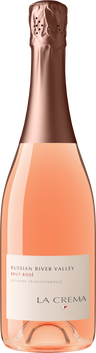
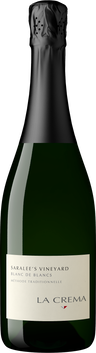
California's coastal appellations, with their fog and long growing seasons, produce acid-driven fruit that is exceptionally well-suited to elegant, balanced sparkling wine. That's the heart of our approach at La Crema. Two bottles to know:
- Saralee's Vineyard Blanc de Blancs 2019: 100% Chardonnay with aromas of baked apple, fresh Meyer lemon, and a hint of proofing bread dough. On the palate you'll find lime and hazelnut, with a bright finish.
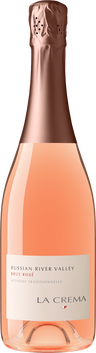
- Russian River Valley Brut Rosé: 65% Pinot Noir and 35% Chardonnay, delicate and nuanced, with white flowers, Braeburn apple, and crushed oyster shell. Lemon meringue, wild strawberries, and fresh ginger follow on the palate.
Prosecco
Prosecco is an Italian sparkling wine made primarily from the Glera grape using the tank method.
It's fresh, fruity, and floral, with softer bubbles. It's lighter and more approachable than Champagne, typically more affordable, and famously used to make a spritz cocktail.
Cava
Cava is a Spanish sparkling wine made in the traditional method, offering Champagne-style complexity at a friendlier price.
Produced mainly in Catalonia from the native Spanish grapes Parellada, Xarel-lo, and Macabeo, it’s known for its crisp acidity, subtle toastiness, and excellent value.
Crémant
Crémant is a French sparkling wine made using the traditional method but produced outside the Champagne region.
Made in multiple regions across France, such as Alsace, Burgundy, and the Loire, it offers traditional-method elegance at a more accessible price point.

How the Bubbles Get in the Bottle
The biggest quality difference between sparkling wines comes down to how the bubbles are made, with the traditional method (used for Champagne) considered the gold standard. Region matters, but method matters just as much.
In the traditional method, a still base wine is bottled with a little yeast and sugar, then undergoes a second fermentation right inside that bottle. The carbon dioxide has nowhere to go, so it dissolves into the wine, creating those fine, persistent bubbles. While the sparkle is being captured, the wine is also developing delicious, freshly baked bread notes as it ages on the spent yeast.
In the tank method, that second fermentation happens in a large, sealed, pressurized tank before the wine is bottled. It's a faster, more efficient, and less expensive approach that preserves fresh, fruity aromas, which is why it suits styles like Prosecco.
Some sparkling wines are made with other approaches, such as the ancestral method, which entails a single fermentation in a sealed bottle, or simple carbonation, but the traditional method remains the benchmark for depth and finesse.
Does It Matter Which One You Choose?
You do not need the Champagne name to pour something exceptional, because outstanding traditional-method sparkling wine is made all over the world, including right here in California. Champagne is wonderful, and its heritage is worth celebrating, but the name on the label isn't the only measure of sparkling wine quality.
Always feel free to choose the bottle that suits your moment and your taste. Want a fresh and fruity bubbly for a sunny afternoon? Reach for it. Craving traditional-method, toasty elegance for a milestone? Go for it. The best sparkling wine is the one you're excited to pour and share.

Pop a Bottle with La Crema
Remember, when it comes to choosing sparkling wine versus Champagne, the name matters less than the quality in the glass. Whether you're toasting a milestone or simply marking an ordinary evening, we invite you to explore our sparkling wines, crafted with care from fruit shaped by California coastal breezes and made for every kind of celebration.
FAQs
Is Champagne a sparkling wine?
Yes, Champagne is a type of sparkling wine, but it can only be made in the Champagne region of France using the traditional method. All Champagne is sparkling wine, but not all sparkling wine is Champagne.
What is the difference between Champagne and sparkling wine?
The key difference is geography. Champagne comes only from the Champagne region of France, while sparkling wine is the broad category that includes Champagne, Prosecco, Cava, and sparkling wines from around the world.
Is Prosecco the same as Champagne?
No. Prosecco is an Italian sparkling wine made from the Glera grape using the tank method, while Champagne is a French sparkling wine typically made from Chardonnay, Pinot Noir, and Pinot Meunier grapes using the traditional method.
Is sparkling wine cheaper than Champagne?
Often, yes, but not always. Many sparkling wines offer excellent quality at a lower price than Champagne, especially those like La Crema’s that are made using the same traditional method.
Does La Crema make Champagne?
No, because Champagne can only be made in France. La Crema makes traditional-method sparkling wine from cool-climate California fruit, including a Blanc de Blancs and a Brut Rosé.
