

Recent Posts


The Ultimate Chocolate and Wine Pairing Guide
Chocolate and wine feel like a love story waiting to happen. Who wouldn't want velvety cocoa in one hand and a glass of luminous wine in the other? But the wrong match can turn a bold red wine bitter and a rich, silky chocolate flat. This most romantic of meetups surely deserves better than a clash.
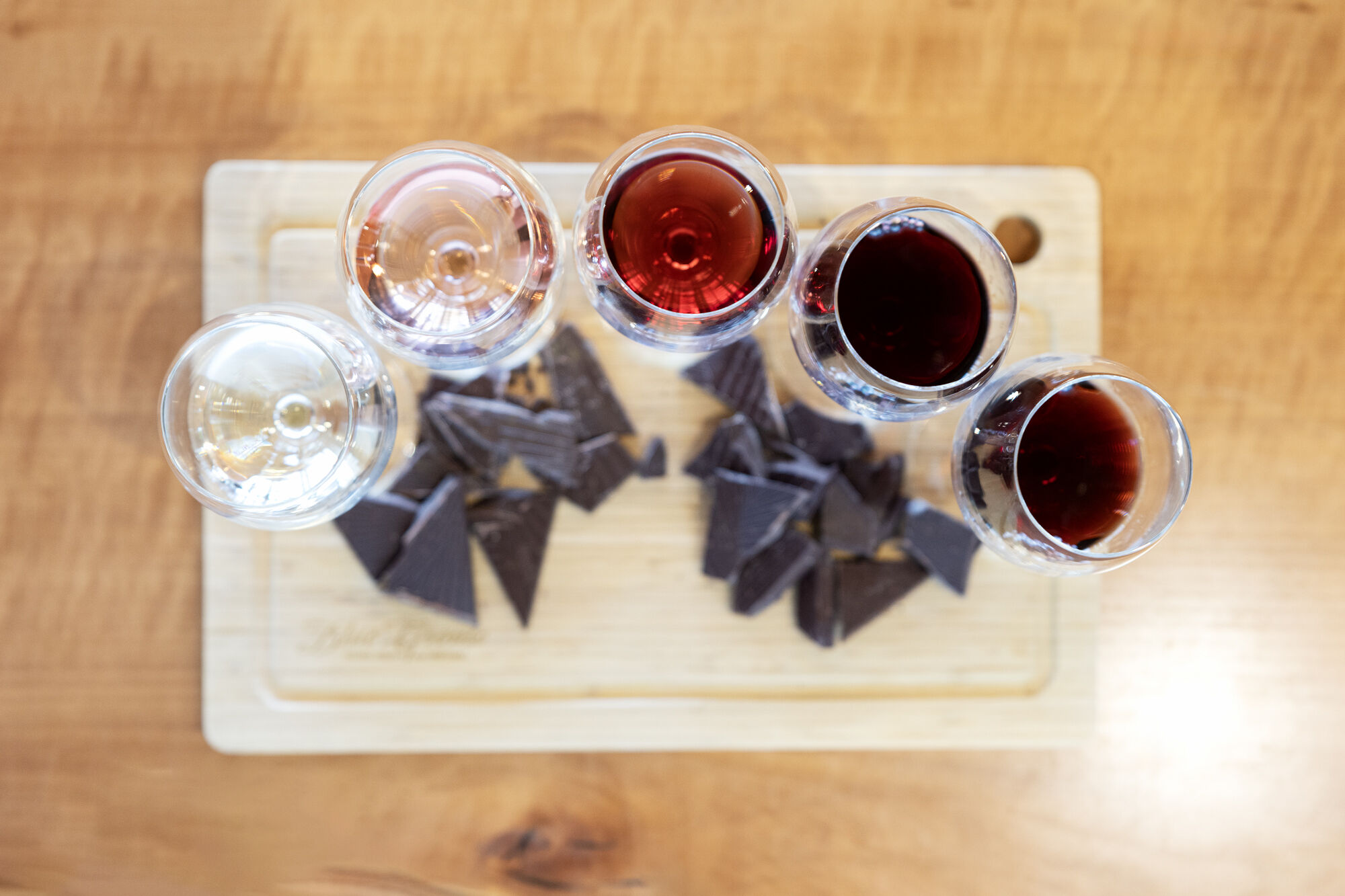
Consider this your foolproof guide to chocolate and wine pairing. In it, we cover the rules, the best matches, and how to host a wine and chocolate tasting that your friends will beg you to turn into an annual tradition. Whether you’re looking to learn how to pair wine with chocolate for a dinner party or a romantic date, you can rely on La Crema's cool-climate, fruit-forward wines as a natural partner for the right chocolates. Their bright acidity, ripe fruit, and elegant character make every pairing feel effortless, and every sip feel a little more special.
Do Chocolate and Wine Actually Go Together?
Absolutely. Chocolate is rich, layered, and complex, and so is great wine. But there’s more to it: a successful match depends on balancing the sweetness, tannins, and intensity between the two. When both meet on equal footing—the wine is as sweet as the chocolate, for example—each makes the other taste more luscious.
Think of it as a conversation between two equally charming guests. Neither should talk over the other. When their greatest personality traits are in harmony, you get that swoon-worthy moment where the cocoa deepens, the fruit brightens, and everything just clicks.
The Science: Why Chocolate and Wine Can Be Tricky
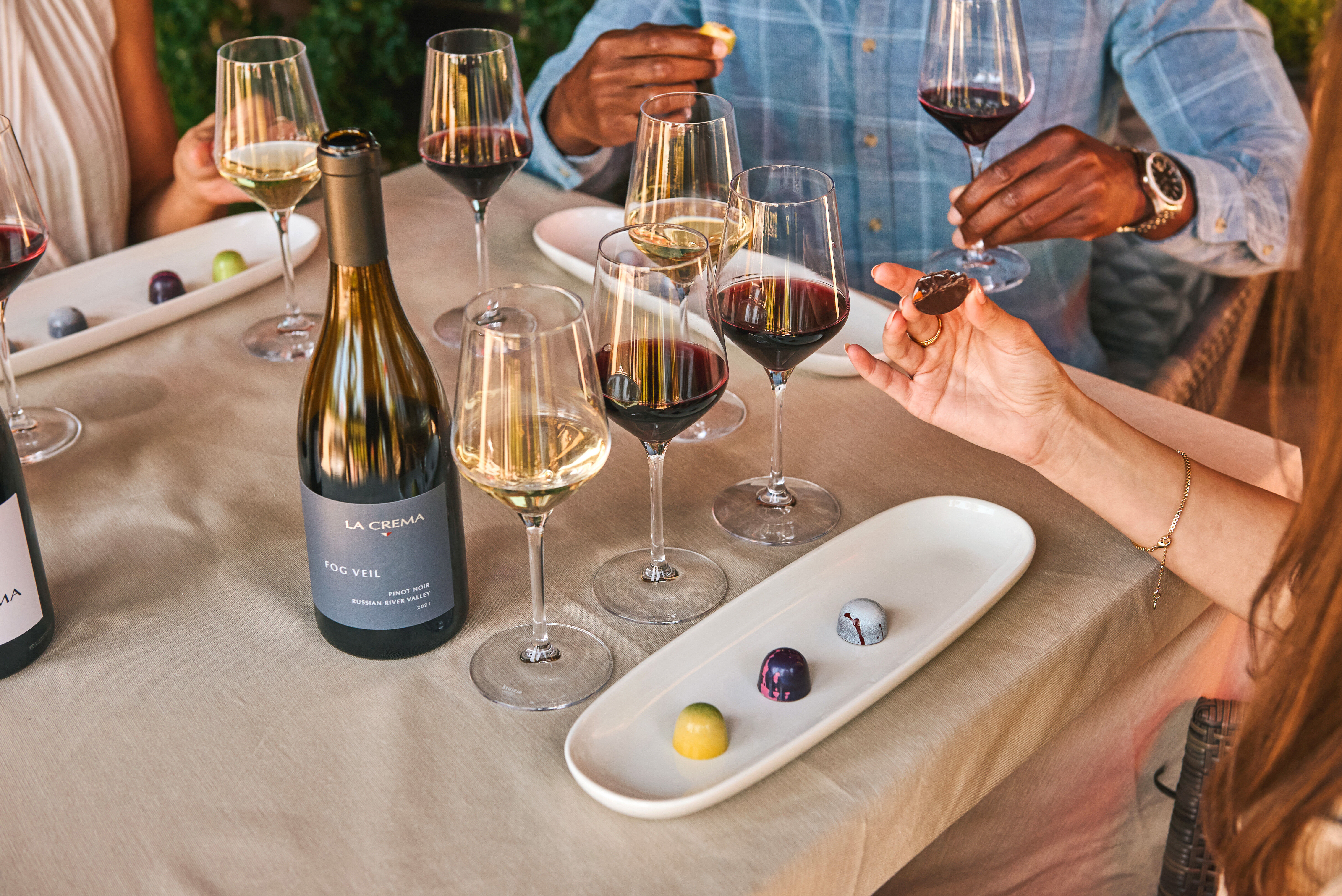
A little chemistry explains why some matches sing and others stumble.
Tannins and Bitterness
Both chocolate and red wine contain tannins, and when two high-tannin elements meet, they amplify each other and can taste harsh. Pair a bitter dark chocolate with a big, dry, tannic red wine, and the result can taste chalky or metallic instead of luxurious. The flavanols in the cocoa add to the wine's own structure, so a wine that seemed balanced on its own suddenly tastes more astringent.
Sweetness and Acidity
If the chocolate is sweeter than the wine, it can strip the fruit from the wine and make it taste sour and thin. This is one more reason chocolate and wine sometimes clash. If you remember anything from this guide, remember this: match sweetness. The wine should be as sweet or as fruit-forward as the chocolate. A wine with ripe fruit and lively acidity holds its own against sweetness, which is why La Crema's fruit-forward wines shine here.
Fat and Texture
Chocolate's cocoa butter softens the astringency of tannins, which is why a fruit-forward red can turn velvety alongside a rich, creamy chocolate. That silky richness coats the palate and smooths the wine's edges. It's also why chocolate desserts like mousse and ganache can be friendlier to red wine than a bitter chocolate bar.
The Golden Rules of Pairing Wine and Chocolate
Whether you’re tasked with bringing wine to a party for dessert or you’re planning a romantic night at home, follow these tips for a foolproof pairing.
- Match sweetness. The wine should be at least as fruit-forward or sweet as the chocolate.
- Match intensity. Delicate chocolates call for lighter-bodied wines; bold, dark chocolates need fuller-bodied ones.
- Taste light to dark. Start with white chocolate and lighter wines, and build toward dark chocolate and bolder reds.
- Keep tannins in check with bitterness. Pair very bitter dark chocolate with fruit-forward, softer reds rather than aggressively tannic ones.
- Consider the extras. Nuts, caramel, sea salt, fruit, and spice all change the pairing. See “Pairing Wine with Flavored and Filled Chocolates” below for guidance.
The Chocolate and Wine Pairing Chart
Short on time? Use this chocolate-wine pairing chart as a shortcut for choosing the best wine for the chocolate you’re planning to serve.
| Chocolate | Wine Pairing | Why It Works |
|---|---|---|
| White chocolate | Sparkling wine | Bright bubbles cut the buttery sweetness |
| Milk chocolate | Pinot Noir | Ripe cherry fruit lifts the creamy cocoa |
| Dark chocolate (sweetened desserts) | Cabernet Sauvignon | Dark fruit and structure enrich the cocoa; the chocolate softens the tannins |
| Ruby or berry-filled chocolate | Rosé of Pinot Noir | Red fruit mirrors the berry notes |
| Chocolate-covered strawberries | Sparkling wine | A festive, palate-cleansing classic |
| Salted caramel chocolate | Cabernet Sauvignon | Structure balances the salt and sweetness |
| Nutty chocolate (hazelnut, almond) | Pinot Noir | Earthy fruit complements toasted nuts |
| Orange or citrus chocolate | Sauvignon Blanc | Zesty citrus echoes the fruit |
| Chocolate mousse or ganache | Pinot Noir | Silky texture meets silky wine |
Pairing Wine by Chocolate Type
Which wine goes with which chocolate? It depends. Here's how to match each type, with our La Crema pick for each one.
White Chocolate with Sparkling Wine
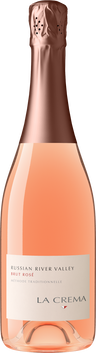
White chocolate, with its buttery, sweet, creamy profile, pairs best with bright, high-acid wines like sparkling and rosé that cut through the richness. Because white chocolate is sweet and has no cocoa solids, it calls for fresh, fruit-forward wines that keep the pairing lively.
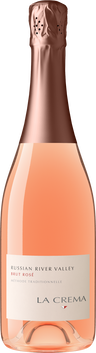
La Crema Picks: La Crema Sparkling Wines and Monterey Pinot Noir Rosé.

Milk Chocolate with Pinot Noir
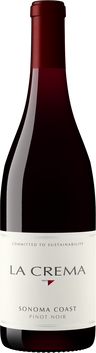
Milk chocolate is the easiest chocolate to pair with wine, and its creamy sweetness makes Pinot Noir a classic, crowd-pleasing match. Its extra fat and moderate sweetness love a light-to-medium red with ripe fruit. It's the most-recommended pairing in the category, so if you're searching for a milk chocolate-wine pairing, start here.
La Crema Pick: Sonoma Coast Pinot Noir.
Dark Chocolate with Cabernet Sauvignon
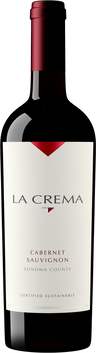
Dark chocolate is the trickiest to pair because of its bitterness. Reach for a fruit-forward Cabernet Sauvignon, ideally alongside a sweetened dark chocolate dessert rather than a very high-cacao bar.
Here's the truth about dark chocolate and wine pairing: Dry reds shine with dark chocolate desserts like mousse or ganache, or with lower-percentage dark chocolate, where the added sweetness bridges the gap. Avoid very bitter 85%+ cacao bars, as they are a challenge for any dry wine.
La Crema Pick: Sonoma County Cabernet Sauvignon.
Ruby Chocolate and Berry-Filled Chocolate with Rosé
Ruby chocolate and berry-filled chocolates, with their naturally tart, fruity character, pair beautifully with a rosé of Pinot Noir or a sparkling rosé. The principle is based on mirroring flavors: red fruit in the wine echoes the berry in the chocolate, and each makes the other taste brighter.
La Crema Pick: Monterey Pinot Noir Rosé.

Chocolate-Covered Strawberries with Sparkling Wine
Chocolate-covered strawberries bring together rich chocolate, fresh berries, and a little acidity, making sparkling wine an especially easy match. The bubbles refresh the palate between bites, while the wine’s bright fruit complements the strawberry without competing with the chocolate.
La Crema Pick: La Crema Sparkling Wines.
Salted Caramel Chocolate with Cabernet Sauvignon
Salted caramel chocolate has a rich combination of sweetness, buttery caramel, and salt. A fruit-forward Cabernet Sauvignon provides enough structure to balance the richness, while its dark fruit flavors work naturally with the caramel.
La Crema Pick: Sonoma County Cabernet Sauvignon.
Nutty Chocolate with Pinot Noir
Chocolate with hazelnuts, almonds, or other toasted nuts pairs well with Pinot Noir. The wine's ripe fruit and subtle earthy character complement the roasted flavors of the nuts without overpowering the chocolate.
La Crema Pick: Willamette Valley Pinot Noir

Orange or Citrus Chocolate with Sauvignon Blanc
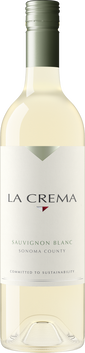
Orange and citrus-flavored chocolate calls for a wine with enough acidity and freshness to match the bright fruit. Sauvignon Blanc works particularly well, echoing the citrus notes while keeping the pairing crisp and refreshing.
La Crema Pick: La Crema Sauvignon Blanc.
Chocolate Mousse or Ganache with Pinot Noir
Rich chocolate mousse and ganache are best with a wine that can stand up to their deep cocoa flavor and silky texture. Pinot Noir brings ripe berry fruit and a smooth, supple character that complements the dessert without making it feel heavier.
La Crema Pick: Monterey Pinot Noir

Does Cacao Percentage Matter?
Yes, cacao percentage is one of the most important factors when it comes to pairing wine and chocolate. Higher cacao means more bitterness and less sweetness, which calls for a fruitier, fuller wine. Use this quick guide for pairing wine with chocolate based on its cacao percentage:
- 30–45% cacao (milk chocolate): light-to-medium reds like Pinot Noir
- 50–65% cacao (semi-sweet chocolate): fruit-forward reds like Cabernet Sauvignon
- 70%+ cacao (dark chocolate): a soft, juicy, fruity red like Merlot
What to Avoid When Pairing Wine and Chocolate
Even a great pairing has a few pitfalls. Here’s what not to pair with chocolate:
- Very tannic, dry reds with bitter dark chocolate can taste harsh and metallic.
- Delicate wines with intense chocolate get overwhelmed and lose their nuance.
- Bone-dry wines with very sweet chocolate can taste sour and thin.
The best pairing is the one you enjoy, so experiment freely. One of life’s greatest pleasures, in our view, is testing different wine and chocolate combinations until you find your favorite.
Why La Crema Wines Pair Beautifully with Chocolate
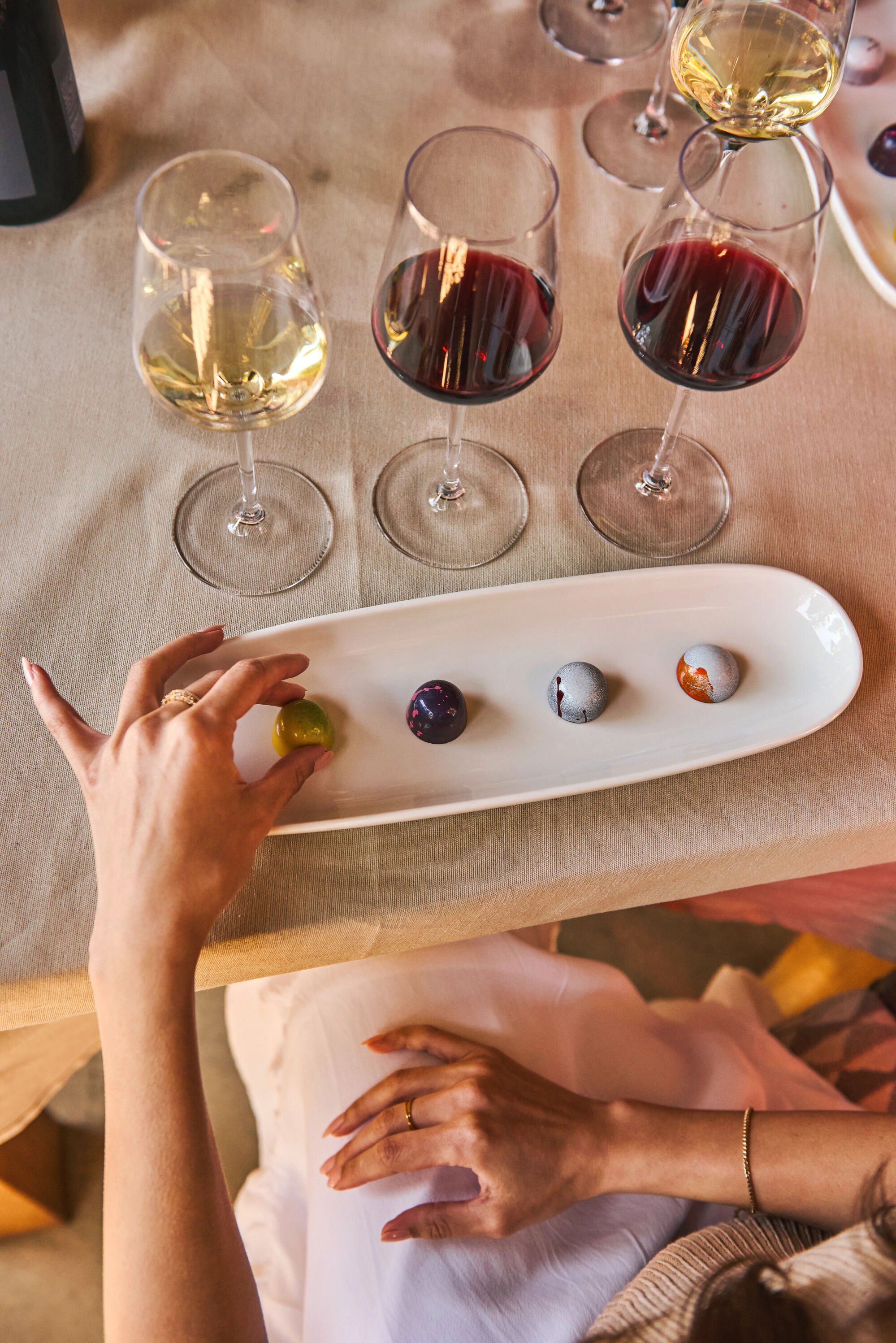
Our cool-climate vineyards give La Crema wines their bright acidity and ripe, fruit-forward character. This balance makes them natural partners for milk chocolate, chocolate desserts, and fruit-forward confections. Our Pinot Noir, Cabernet Sauvignon, rosé, and sparkling wines are especially perfect for chocolate lovers. Now that you’re an expert on pairing, why not bring home a few bottles and conduct your own chocolate and wine pairing experiment at home?
FAQs
Which wine goes best with chocolate?
The best wines for chocolate are fruit-forward styles like Pinot Noir for milk chocolate, Cabernet Sauvignon for dark chocolate desserts, and sparkling or rosé for white and berry chocolates.
What is the number one rule of pairing wine and chocolate?
The wine should be at least as fruit-forward or sweet as the chocolate, so it doesn't taste bitter or thin against the chocolate's sweetness.
Which wine pairs with dark chocolate?
A fruit-forward Cabernet Sauvignon is the best dry-wine match for dark chocolate, ideally alongside sweetened dark chocolate desserts rather than very high-cacao bars.
Which wine pairs with milk chocolate?
Pinot Noir is the classic pairing for milk chocolate because its ripe cherry fruit and soft tannins complement the creamy, sweet cocoa.
Which wine pairs with white chocolate?
Bright, high-acid wines like sparkling and rosé pair best with white chocolate because they cut through its buttery sweetness.
Can you pair red wine with chocolate?
Yes, but choose fruit-forward reds like Pinot Noir and Cabernet Sauvignon, and pair them with milk chocolate or sweetened dark chocolate rather than very bitter, high-cacao bars.
Does Champagne or sparkling wine go with chocolate?
Sparkling wine pairs beautifully with white chocolate, chocolate-covered strawberries, and berry chocolates, though it's best to avoid pairing very dry sparkling with intense dark chocolate.
What is the best wine and chocolate pairing for a beginner?
Milk chocolate with Pinot Noir is the easiest and most reliable pairing for beginners, offering a balanced, crowd-pleasing match.
