


Recent Posts


Fresh Fish Crudo with Citrus and Herbs Recipe
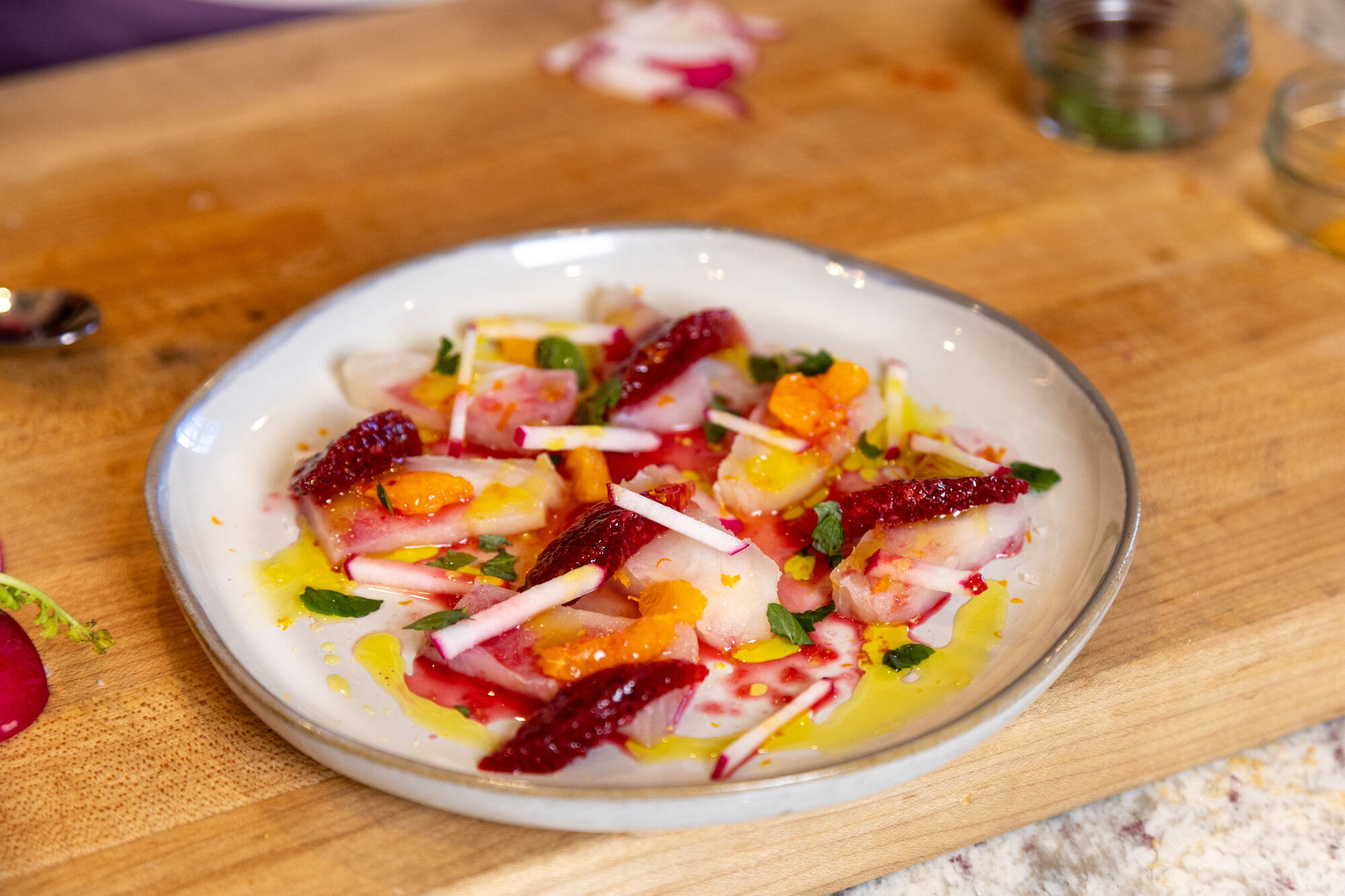
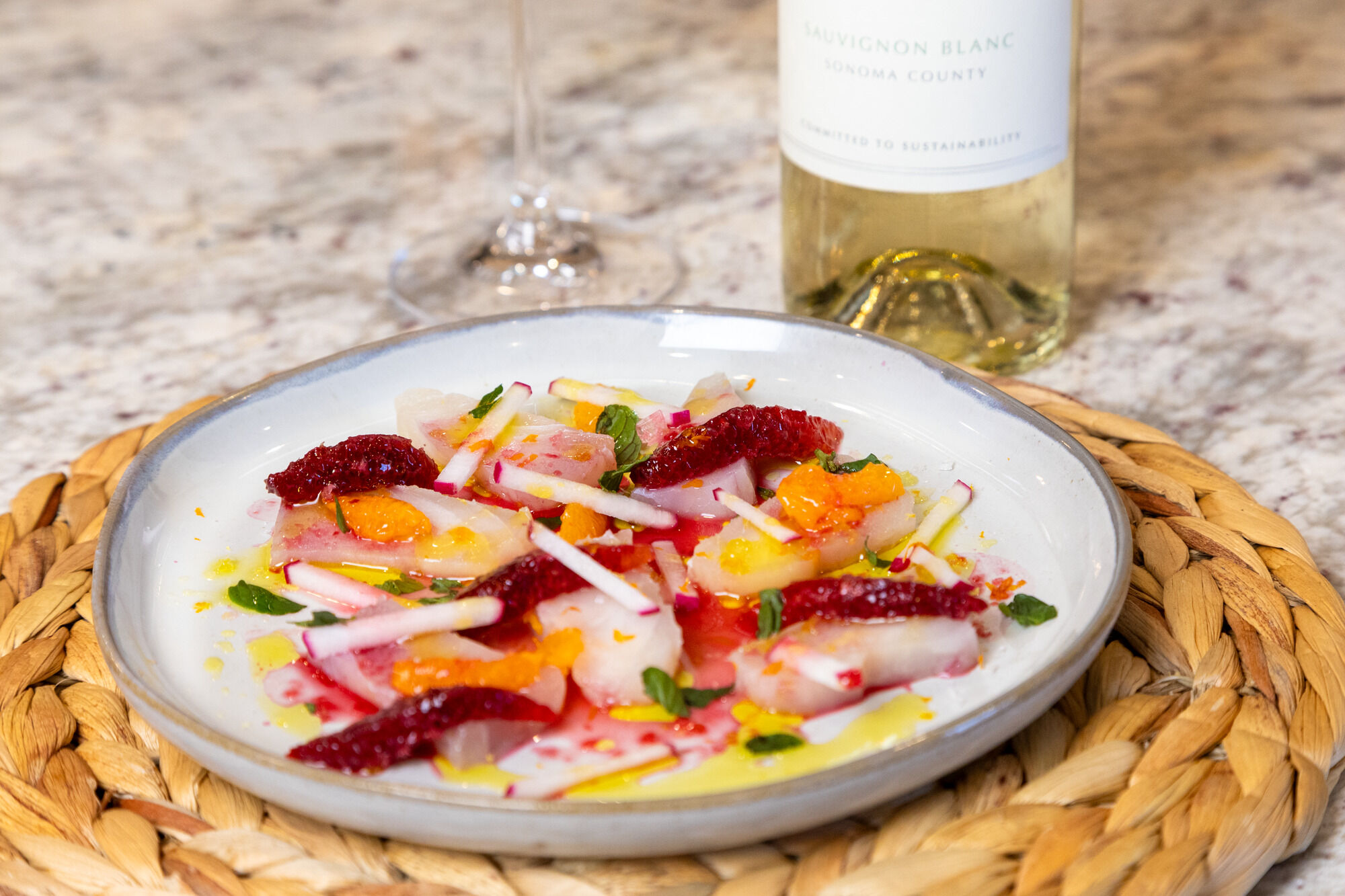
Fresh crudo is about precision rather than complexity. Thin slices of pristine fish, bright citrus, and a restrained hand with seasoning come together to create a dish that feels clean, vibrant, and quietly luxurious. Blood orange and mandarin bring sweetness and acidity, while crisp radish and torn mint add contrast and lift without overwhelming the fish.
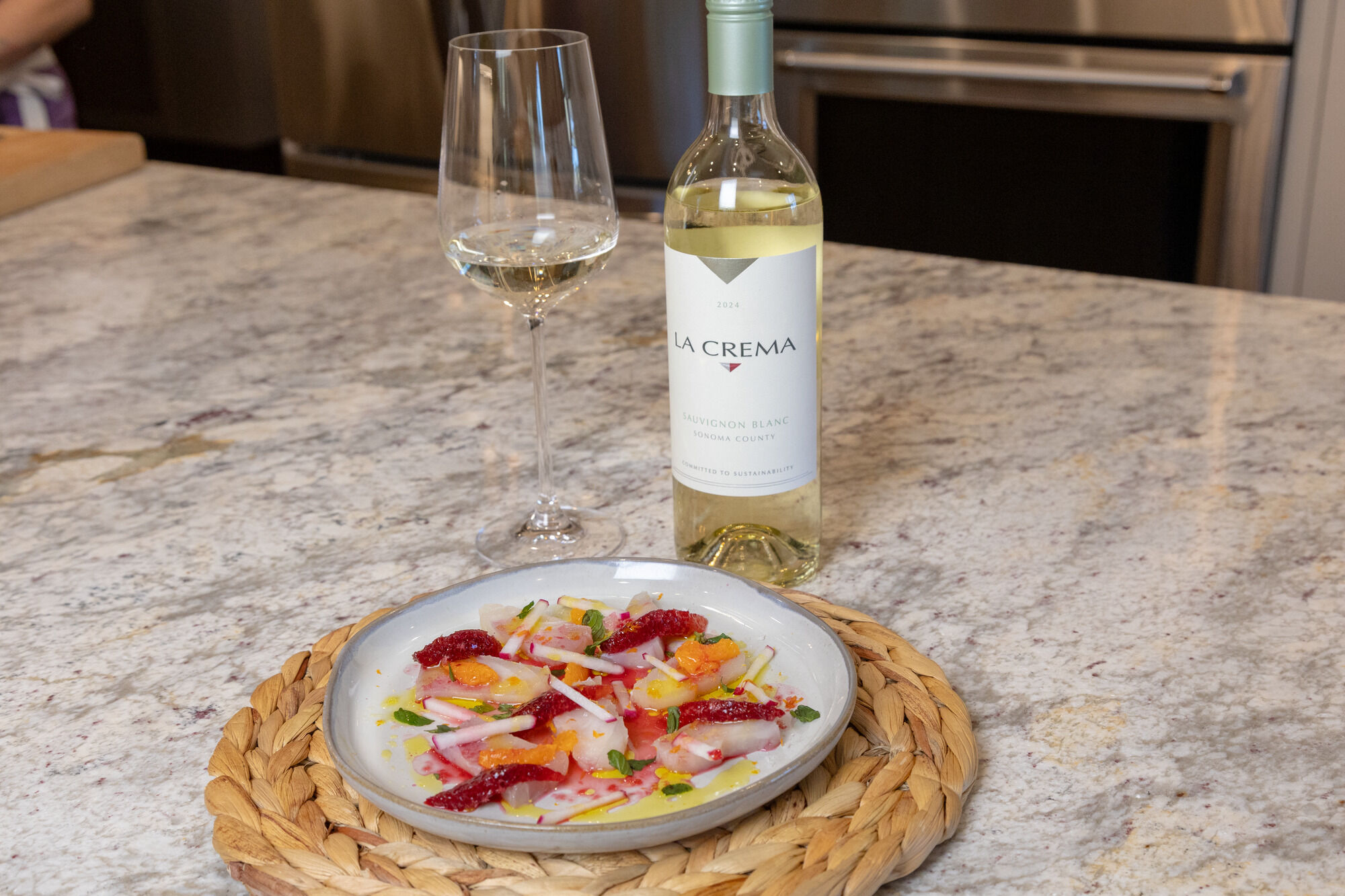
This is the kind of starter that pairs naturally with a chilled glass of La Crema Sauvignon Blanc, whose bright acidity and citrus notes mirror the flavors on the plate and keep everything feeling light and focused. Served at the beginning of a meal, crudo sets the tone with freshness, balance, and just enough elegance to feel special.
What Is Crudo?
Crudo simply means “raw” in Italian, and the dish is exactly that at its core. Fresh fish, sliced cleanly and dressed with restraint, is the focus. Unlike ceviche, crudo is not cured in acid. The citrus or oil added at the end is meant to brighten and enhance the fish, not change its texture. When done well, crudo tastes pure, delicate, and intentional, with each element supporting the main ingredient rather than competing with it.
This is not a dish that rewards overthinking. Good fish, sharp knife, light hand.
What Is the Difference Between Crudo and Sashimi?
Crudo and sashimi are often grouped together because both feature raw fish, but they come from different traditions and follow different rules.
Sashimi is Japanese in origin and is all about purity and precision. The fish is sliced in a very specific way and served completely unadorned, with soy sauce, wasabi, or pickled ginger offered on the side. The focus stays entirely on the fish itself.
Crudo, on the other hand, is Italian in spirit and more relaxed by design. The fish is still the star, but it is lightly dressed with olive oil, citrus, salt, or herbs. Those additions are meant to enhance rather than mask, adding brightness, texture, and aroma without changing the delicate nature of the fish.
If sashimi is about discipline, crudo is about balance.
Choosing the Right Fish for Citrus Crudo
Crudo depends almost entirely on the quality and character of the fish. Because there is no cooking step to soften flavor or mask imperfections, the fish should taste clean, mild, and fresh, with a firm texture that holds up to slicing and plating. Citrus adds brightness and contrast, but it should enhance the fish rather than dominate it, which is why subtlety matters more than richness here.
Some fish are especially well suited to citrus crudo:
- Halibut for its clean flavor and firm, elegant texture
- Salmon for a richer option that still balances well with acidity
- Fluke or flounder when extremely fresh, offering a delicate, almost sweet profile
- Sea bass for a slightly buttery texture that pairs well with citrus oils
When selecting fish for crudo, look for sashimi or sushi grade labeling, firm flesh that springs back when pressed, and a clean ocean scent. The better the fish, the simpler the preparation can be.
Key Ingredients That Make This Crudo Work
With a dish this simple, the ingredient list does not leave much room for error. Each element needs to earn its place on the plate and work in balance with the rest.
- Fresh, high quality fish: Mild, firm fish allows the citrus to brighten rather than compete. Halibut offers a clean, elegant base, while salmon brings a richer option that still pairs well with acidity.
- Blood orange and mandarin: Using two types of citrus adds depth. Blood orange brings sweetness and color, while mandarin keeps the acidity soft and approachable.
- Radish: Thinly sliced radish adds crunch and a gentle bite that keeps the dish from feeling too delicate.
- Fresh mint: Torn mint lifts the plate with aroma and freshness without overpowering the fish or citrus.
- Orange oil: A light drizzle adds richness and rounds out the acidity, helping the flavors feel connected rather than sharp.
- Maldon salt: Flaky salt finishes the dish cleanly, enhancing texture and seasoning without overwhelming the fish.
How to Make Crudo with Citrus
This preparation is quick, but each step is intentional and worth taking slowly.
1. Partially freeze the fish: Place the fish in the freezer ahead of time, then remove it when it is about halfway frozen. The firm texture makes clean slicing easier and keeps the edges neat.
2. Slice and arrange: Using a very sharp knife, cut the fish into thin slices, about half an inch thick. Arrange the slices in a single layer around a chilled plate, leaving a little space between each piece.
3. Prepare the citrus: Segment the blood orange and mandarin, catching and reserving the juice. Place the citrus segments on and around the fish so the plate feels balanced rather than crowded.
4. Dress the crudo: Drizzle the reserved citrus juice evenly over the fish, followed by the orange oil, making sure every slice is lightly coated.
5. Finish and serve: Garnish with julienned radish, torn mint, and a final sprinkle of Maldon salt. Serve immediately while the fish is cold and the citrus is bright.
Crudo with Citrus Recipe
Serves: 2 as a starter
Ingredients
- 6 oz high quality fish, such as halibut or salmon
- 1 blood orange, segmented, juice reserved
- 1 mandarin orange, segmented, juice reserved
- 1 red radish, julienned
- 6 mint sprigs, torn
- Orange oil
- Maldon salt
Instructions
- Place the fish in the freezer ahead of time. Remove it when it is about halfway frozen so it is firm but still sliceable.
- Using a very sharp knife, slice the fish into thin pieces, about ½ inch thick. Arrange the slices in a single layer around a chilled plate.
- Segment the blood orange and mandarin, reserving the juice. Place the citrus segments on and around the fish.
- Drizzle the reserved citrus juice generously over the fish, followed by the orange oil, making sure each slice is lightly coated.
- Garnish with the julienned radish and torn mint. Finish with Maldon salt and serve immediately.
Pairing Crudo with Wine
Crudo with citrus pairs best with wines that emphasize freshness, acidity, and restraint, all hallmarks of La Crema’s portfolio of cool‑climate wines. Sauvignon Blanc is especially well suited to this style of dish, and La Crema Sonoma County Sauvignon Blanc stands out for its bright acidity and citrus‑driven profile. The wine echoes the blood orange and mandarin on the plate, while subtle herbal notes complement the mint and radish. Everything stays clean and focused, allowing the texture and flavor of the fish to remain the center of attention.
For a slightly softer expression, La Crema Monterey Pinot Gris is another excellent option. Its gentle fruit character and crisp finish balance the citrus without overwhelming the fish, making it a natural choice when the crudo is part of a longer, multi‑course meal.
