





Recent Posts

Roasted Vegetables with Dukkha Spice Recipe
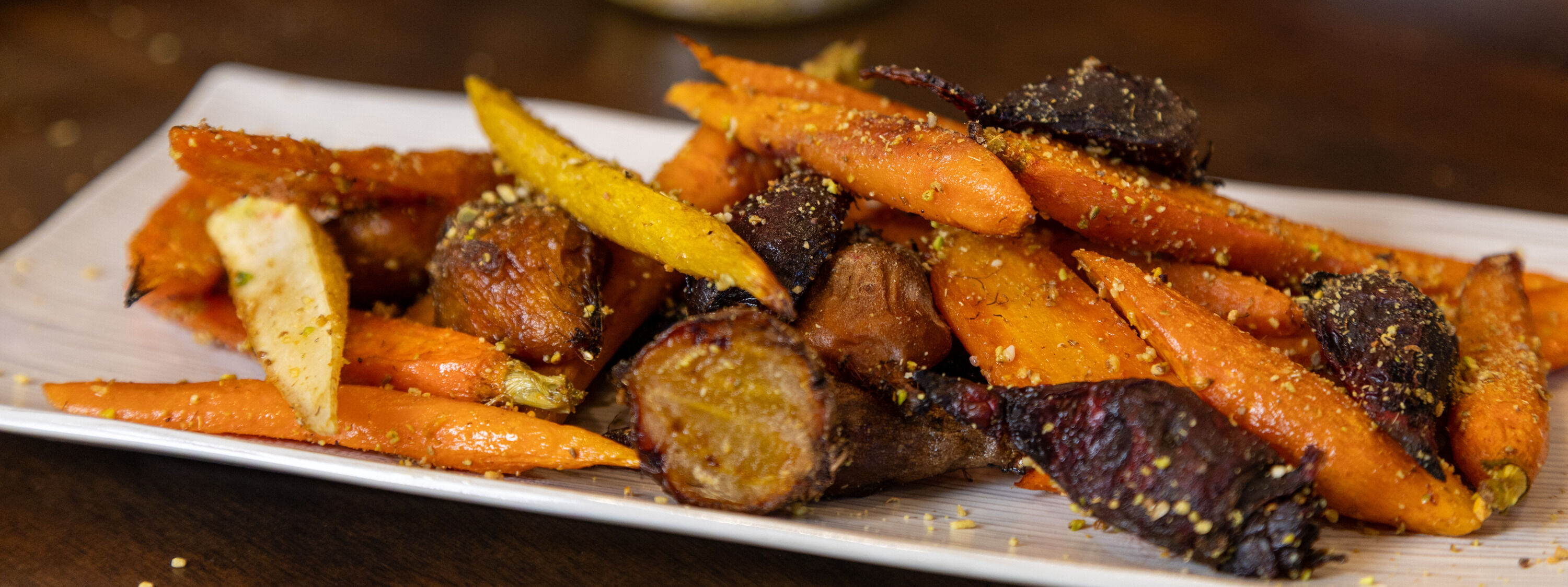
Roasted vegetables are often treated as an afterthought, but this dish is built to be the opposite. Carrots and beets are roasted hot and fast until tender, then finished with a generous coating of dukkha, a toasted blend of nuts, seeds, and warm spices that adds both crunch and depth. The result is a side dish that feels layered and considered, with sweetness from the vegetables balanced by savory, aromatic texture.
This is the kind of recipe that works quietly alongside almost anything on the table, especially with a glass of La Crema Pinot Noir or Chardonnay, both of which complement the earthy vegetables and toasted spices without overpowering them.
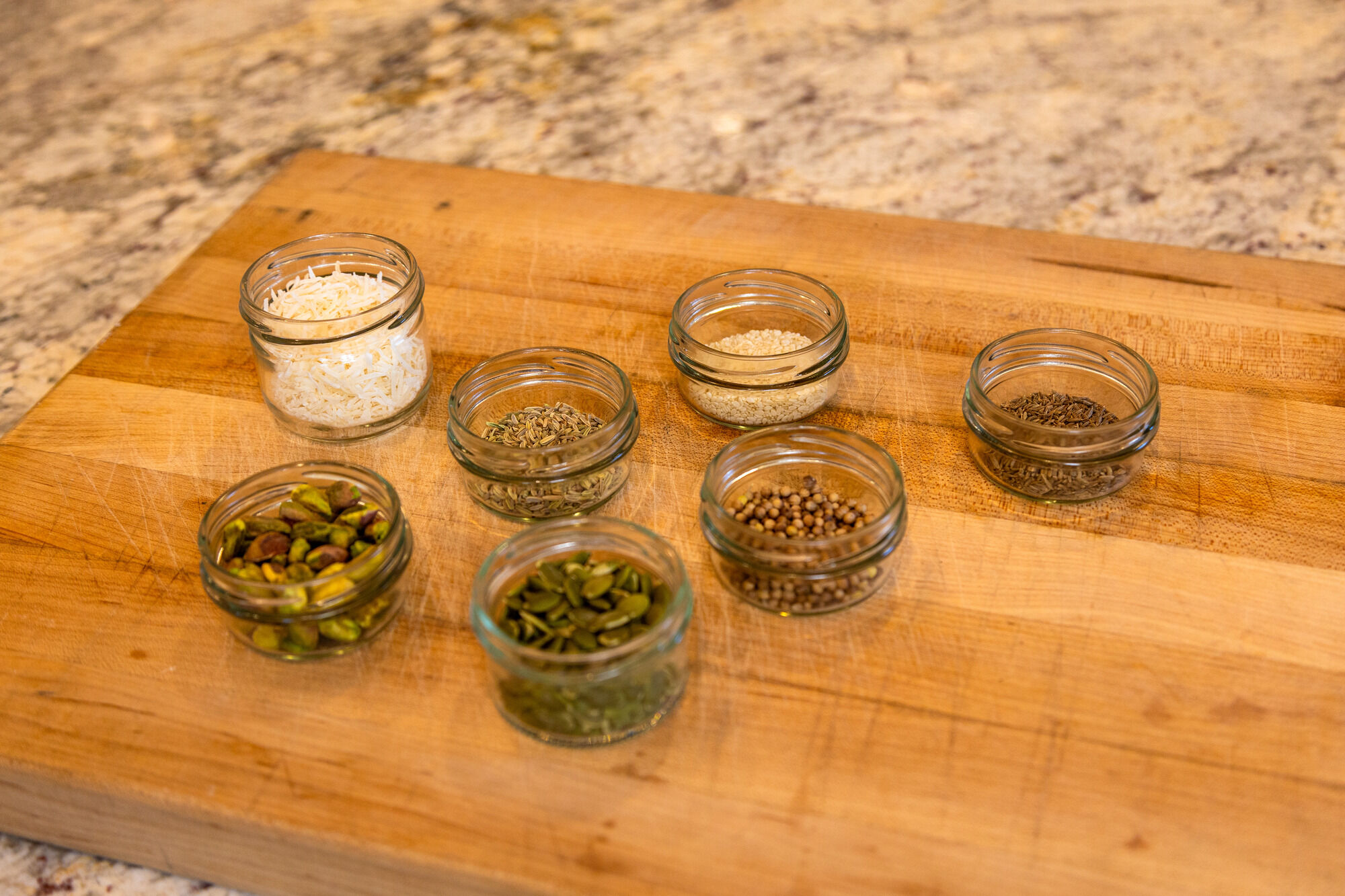
What is Dukkah?
Dukkah is a nut and spice blend with roots in Egyptian cooking, traditionally served as a dip with bread and olive oil. The exact combination varies, but it usually includes toasted nuts, seeds, and warm spices that are left coarsely ground rather than finely milled. That texture is part of the appeal. Dukkah is meant to crunch, not dissolve.
What makes dukkah especially well suited to roasted vegetables is how it behaves as a finishing spice. The warmth of the vegetables releases the aroma of the toasted nuts and spices, while the coarse texture clings to the surface instead of disappearing. It adds flavor, contrast, and structure all at once, which is why a simple pan of roasted carrots and beets suddenly feels complete.
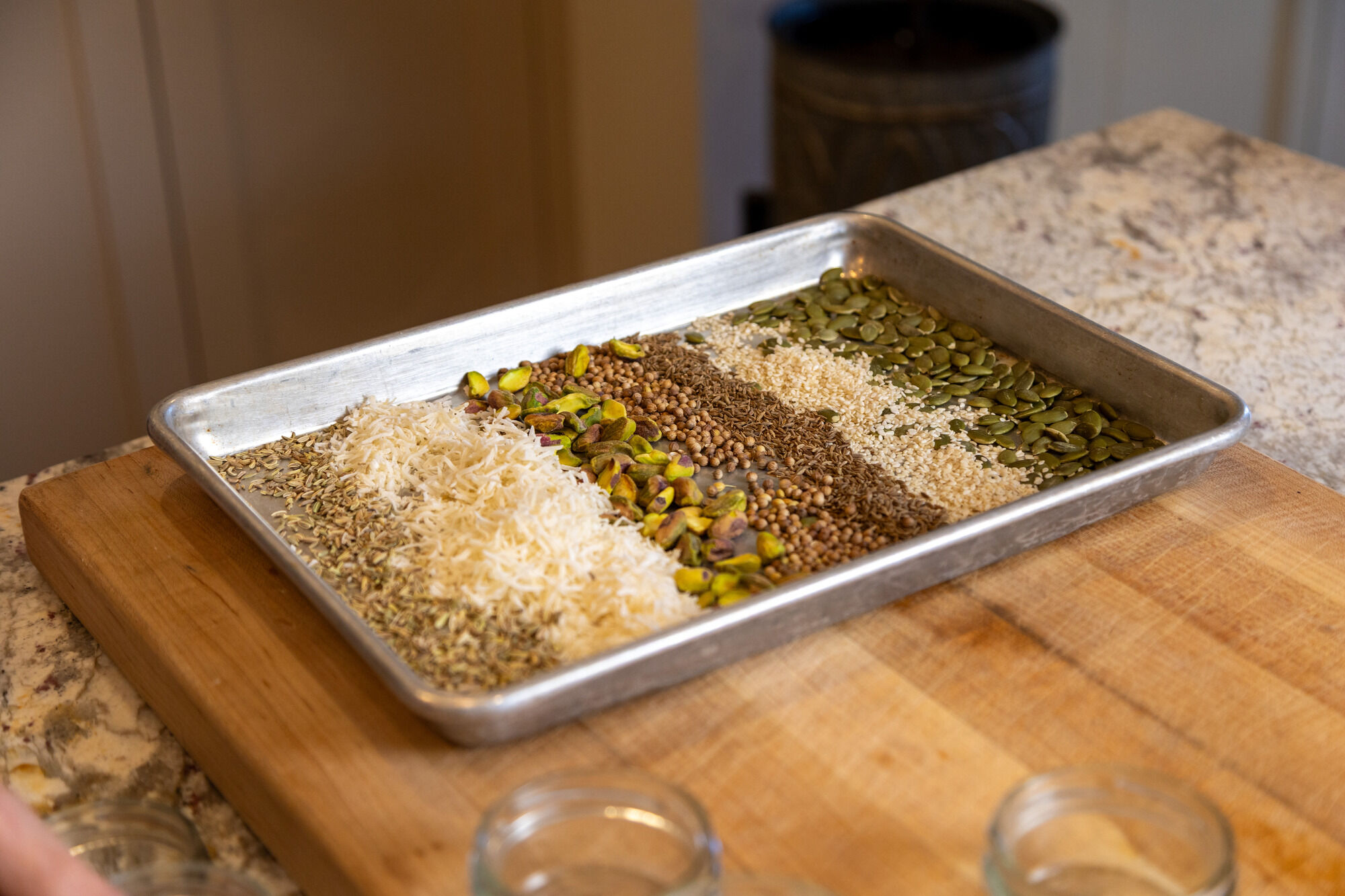
The Dukkha Spice Mix That Ties It All Together
This dukkha spice mix is built for balance rather than heat. Each component plays a specific role, which is why everything is toasted separately and kept coarsely chopped. The goal is a blend that adds flavor and texture at the same time, not something that disappears into the dish.
Here is what goes into the mix and why it works:
- Pumpkin seeds for richness and crunch
- Pistachios for a soft, buttery nuttiness
- Sweet shredded coconut for subtle warmth and contrast
- White sesame seeds for toastiness and depth
- Coriander seeds for citrusy spice
- Fennel seeds for gentle sweetness
- Cumin seeds for earthiness and structure
Once combined, the texture should feel intentional and irregular. Dukkha works best when it is scattered generously over warm vegetables, where the oil helps it cling and the heat wakes up the aroma. It is less of a seasoning and more of a finishing move.
The Two Pan Trick for Perfect Roasted Roots
Roasting carrots and beets on separate pans may sound fussy, but it is a quiet upgrade that pays off immediately. Beets are stubborn and moisture‑heavy, while carrots are quicker to soften and start caramelizing. Giving each vegetable its own hot pan means neither has to compromise. The beets turn tender without steaming, and the carrots pick up color without going limp. By the time they come together, both are exactly where they should be.
This is one of those small steps that makes the final dish feel intentional rather than improvised.
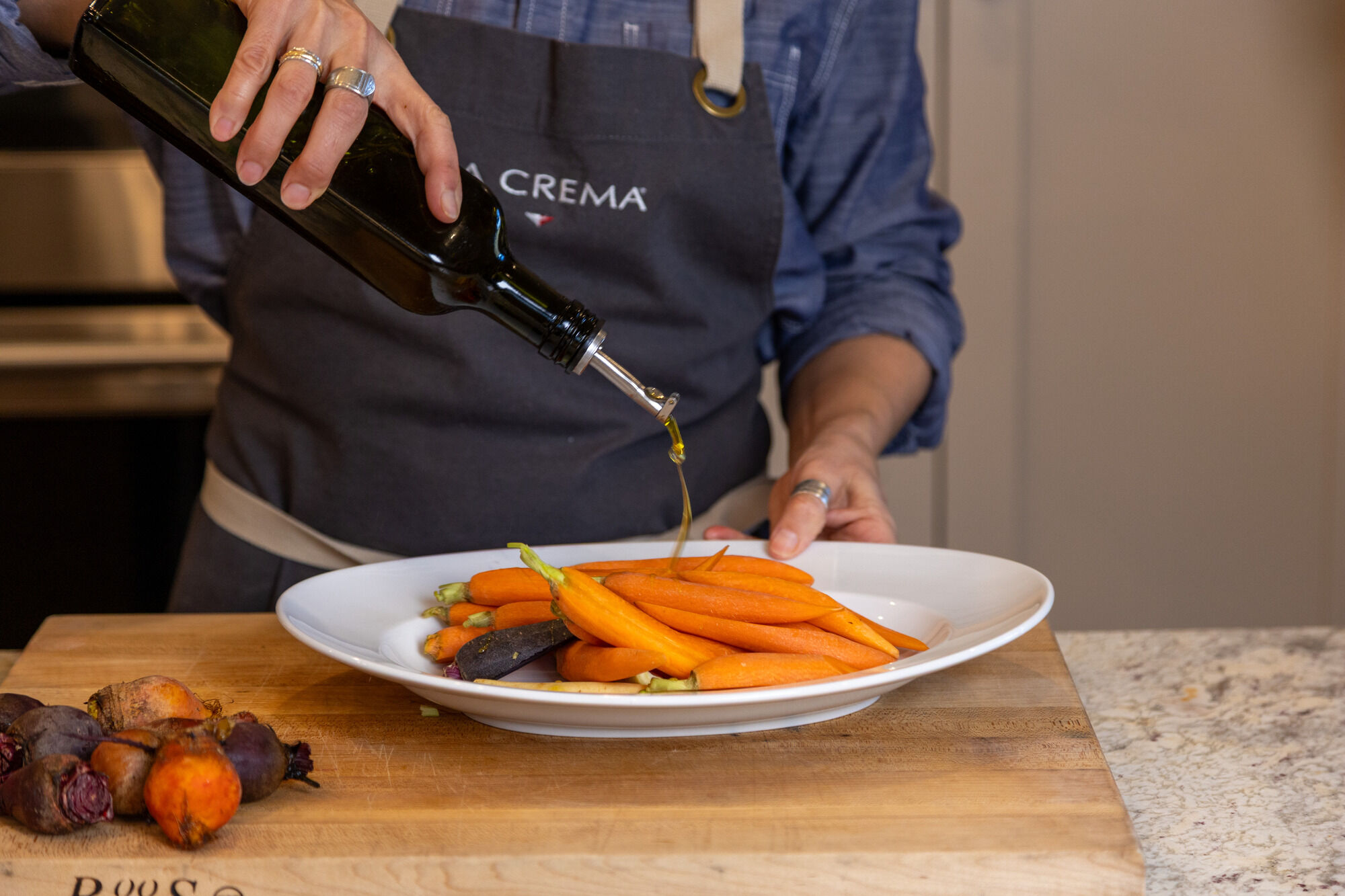
Key Ingredients You’ll Need
This recipe keeps the ingredient list short, which means each component has a job to do. Nothing is here just for color or filler.
- Carrots: Small carrots roast evenly and concentrate their natural sweetness quickly. Cutting them lengthwise helps them caramelize without losing their bite.
- Beets: Beets bring earthiness and depth that anchor the dish. Smaller beets are easier to manage and cook more consistently, especially when roasted hot.
- Olive oil: This is where flavor starts. Enough oil is needed to coat the vegetables so they roast rather than steam.
- Salt: Salt does more than season. It pulls moisture to the surface, helping the vegetables brown and keeping the sweetness in balance.
- Dukkha spice mix: This is the finish that changes everything. Toasty, crunchy, and aromatic, dukkha adds texture and complexity that simple roasted vegetables often lack.
How to Make Roasted Vegetables with Dukkha Spice
This method is simple, but the order matters. Each step sets the vegetables up for better texture and flavor later.
1. Start with a hot oven and hot pans
Preheat the oven to 400°F, using convection if available. Place two baking sheets in the oven while it heats. Starting with hot pans helps the vegetables roast immediately instead of slowly warming and steaming.
2. Roast the beets first: Toss the beets with half of the olive oil and salt. Carefully pull out one oven rack just far enough to access the hot pan, then quickly add the beets and return the rack to the oven.
3. Give the carrots their own space: Using the same bowl, toss the carrots with the remaining oil and salt. Repeat the process with the second hot baking sheet, keeping the carrots separate from the beets.
4. Roast until just tender: Roast for about 12 minutes, shaking the pans gently halfway through to encourage even cooking. Timing will vary depending on size, but the vegetables should be tender with a little resistance, not soft.
5. Finish with dukkha: Once roasted, combine the carrots and beets on a single baking sheet and toss generously with dukkha spice while the vegetables are still warm, making sure everything is well coated.
Roasted Vegetables with Dukkha Spice Recipe
Serves: 4 as a side dish
Ingredients
- 1 lb small carrots, halved lengthwise
- 1 lb small beets, halved or quartered depending on size
- 2 oz olive oil, divided
- Salt
- Dukkha spice mix (from above), to taste
Instructions
- Preheat the oven to 400°F, using convection if available. Place two baking sheets in the oven while it preheats.
- Toss the beets with half of the olive oil and salt. Carefully slide one oven rack out, keeping the hot baking sheet on the rack, and quickly add the beets to the pan. Return the rack to the oven.
- Toss the carrots in the same bowl with the remaining olive oil and salt. Repeat the process with the second hot baking sheet.
- Roast for about 12 minutes, shaking the pans gently halfway through. Cooking time will vary depending on the size of the vegetables. They should be tender but not soft.
- Remove both pans from the oven. Combine the carrots and beets on one baking sheet and toss generously with dukkha spice while the vegetables are still warm.
- Serve immediately or warm.

What Wine to Pair with Roasted Vegetables and Dukkha
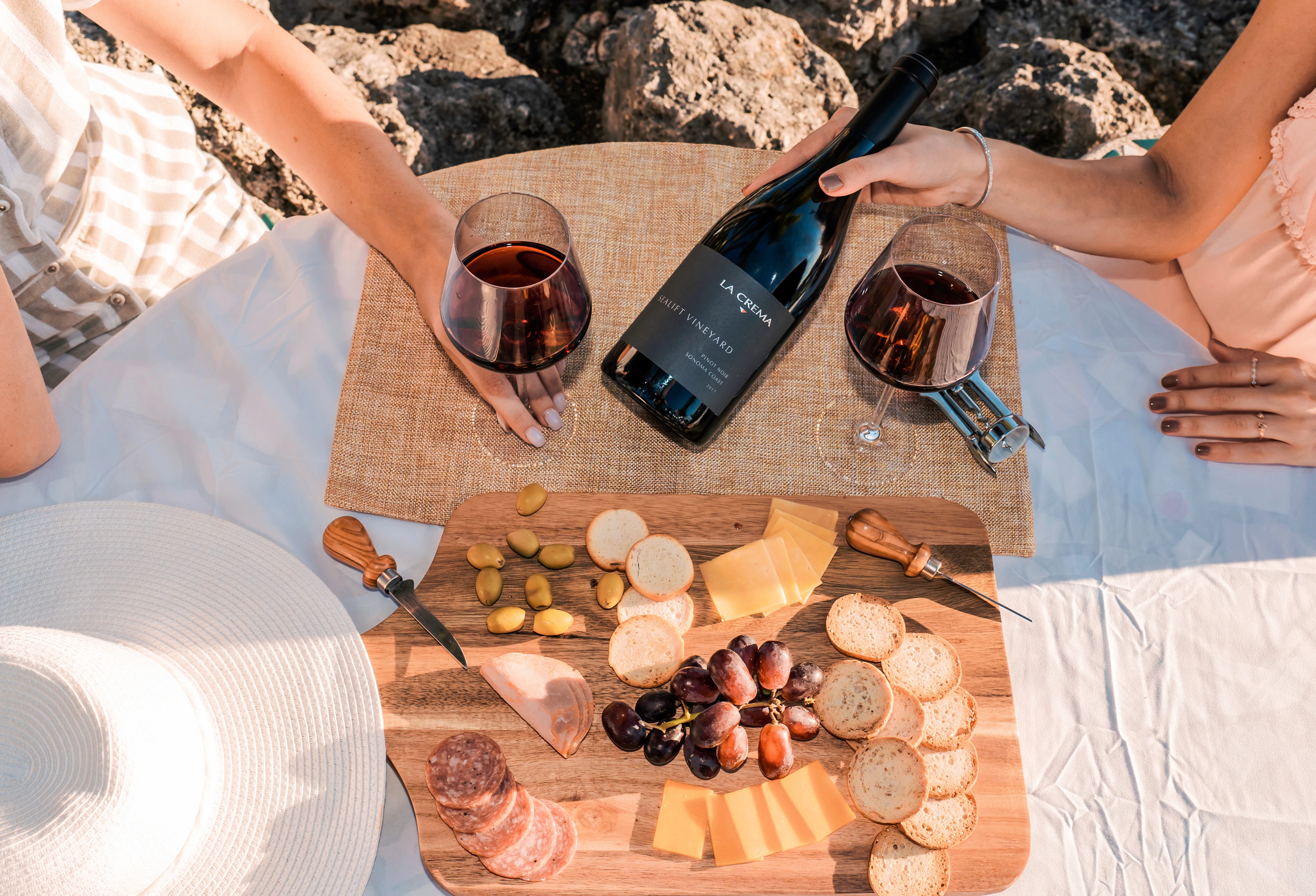
Roasted carrots and beets finished with dukkha call for a wine that can handle earthiness, toasted spice, and a touch of sweetness without feeling heavy. A La Crema Pinot Noir is a natural fit. The red fruit character of the Sonoma Coast Pinot Noir lifts the vegetables, while subtle earthy notes mirror the beets and warm spices in the dukkha. The wine feels grounded and balanced alongside the dish, making it especially well suited for meals where vegetables play a central role rather than a supporting one.
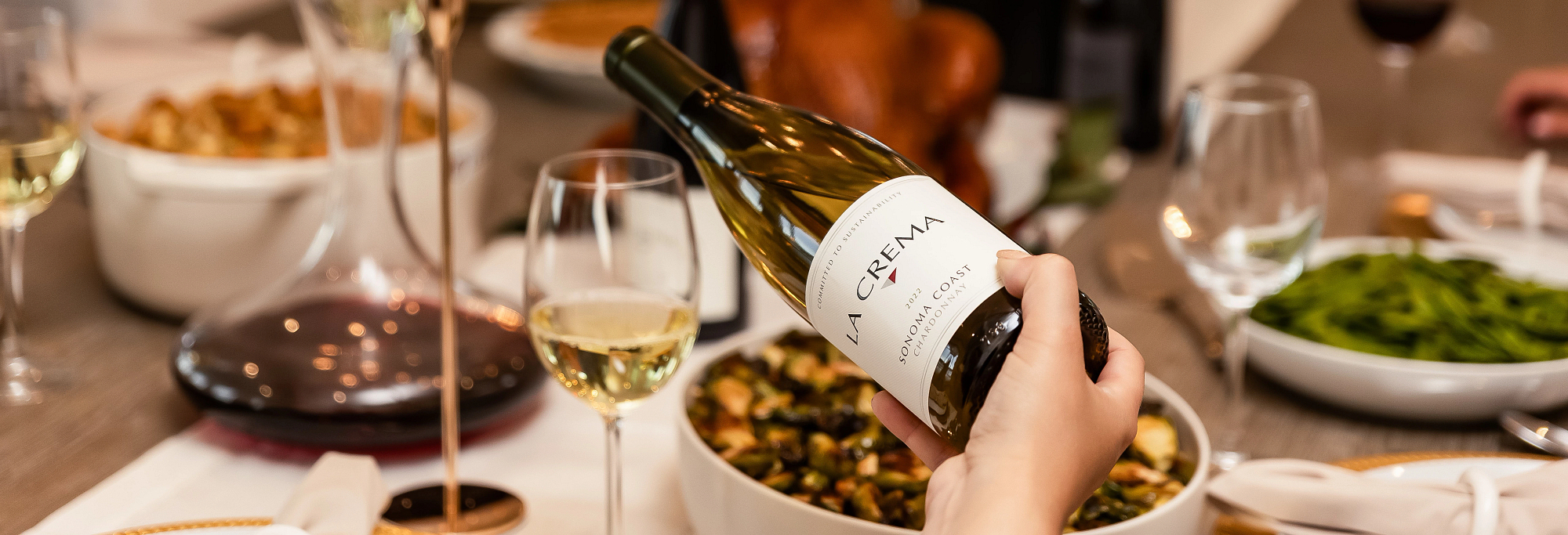
For a lighter approach, La Crema Chardonnay also works beautifully. The Sonoma Coast Chardonnay’s restrained richness complement the roasted flavors while keeping the overall pairing clean and versatile on the table.
