

Recent Posts


A Beginner’s Guide to Rosé Wine
There’s a reason a chilled bottle of rosé feels tailor-made for summer. With its signature pink hue catching the sunlight and a profile that's elegant and effortlessly drinkable, rosé is the kind of pour that turns a spontaneous gathering into one of summer’s highlights. Prized for its versatility, this light, refreshing pink wine has earned its spot as the ultimate warm-weather essential, equally at home alongside an alfresco lunch, backyard barbecue, or sunset toast.
Here's something that surprises a lot of first-timers: Rosé isn't a grape. It's a winemaking style—a fresh, fruit-forward expression created from red grapes, with techniques that coax out color, lift, and just enough structure to pique your palate. In this beginner’s wine guide to rosé, we’ll walk through how it’s made, where it comes from, what it tastes like, and why it has earned a permanent home in La Crema’s portfolio.
What is Rosé Wine?
Rosé (pronounced roh-ZAY) is a style of light, pink wine made from red grapes that spend only a short time in contact with their skins. That brief encounter—sometimes just hours—is what gives rosé its popular rosy hue, ranging from pale salmon to vibrant coral. Without extended skin contact, the wine remains a shade of pink—never developing the deeper pigments or tannins of a red wine.
Because rosé is a style rather than a grape, it can be made from a wide range of red grape varieties, such as Pinot Noir, Grenache, Syrah, Mourvèdre, or Cinsault. Each grape brings its own personality—further shaped by where it is grown and how it is made into wine. Most rosés, however, strike a middle ground between the freshness and bright acidity of a white wine and the subtle structure and red-fruit character of a red. The result is a crisp, approachable, food-friendly wine that's easy to fall for, making it a perfect entry point if you're just beginning to explore wine, and a reliable favorite for seasoned drinkers, too.
How is Rosé Wine Made?
While every winemaker has their own approach, most rosés are crafted in one of three ways:
- Skin contact method (also called maceration): In this method, which is the most common, red grapes are pressed, and the juice macerates with the skins for a few hours up to a day or two before being drained off to finish fermentation. The longer the contact, the deeper the color and the more structure in the glass.
- Saignée method (French for "bled"): This technique is a by-product of red wine production. A portion of juice is "bled off" early in fermentation, concentrating the remaining red wine while creating rosé from the liquid that is drawn out.
- Direct press method: In this style, the red grapes are treated more like white grapes. The juice is pressed quickly off the skins to minimize skin exposure, yielding the palest, most delicate rosés.
- And one common myth worth busting: With rare exceptions (mostly sparkling), rosé is not made by simply blending red and white wine together.
At La Crema, rosé is one of our passion projects. Our winemaking team sources Pinot Noir from cool-climate vineyards, then typically presses the grapes as whole clusters to minimize skin contact. Fermentation takes place in either stainless steel or a combination of stainless and neutral French oak. The wine is then aged on the lees, or spent yeast, for texture and depth. Our goal is always to capture the vineyard’s unique fruit flavors and vivid acidity, with the finesse that mirrors our Pinot Noir style—fresh, layered, and unmistakably coastal.

Why Should You Drink Rosé Wine?
Rosé is bottled versatility. It transitions effortlessly across occasions and seasons, from holiday brunches in spring to poolside afternoons in summer, and from weeknight takeout in fall to candlelit dinners in winter. Its balance of mouthwatering acidity and soft, juicy fruit notes makes it light enough to sip by itself and substantial enough to hold its own at the table, no heaviness, no fuss. This casual wine can complement a summer salad just as easily as it can offer a refreshing contrast to a rich winter stew. Takeout tacos? Check. Easter ham? Check.
Rosé’s easy-drinking nature is part of what makes it attractive to newcomers and seasoned wine drinkers alike.

The History and Origins of Rosé Wine
Rosé might feel like the wine of the moment, but its story stretches back thousands of years. Some of the earliest wines made in ancient Greece and Rome were closer to today's rosé than to modern reds—lighter in color, gentler in tannin, and crafted with brief skin contact. Pale, refreshing wines were the everyday norm long before bold, ageworthy reds became the standard. This easygoing legacy is woven into the DNA of rosé.
Today, Provence, France, stands as the modern benchmark for rosé production, celebrated for its pale, dry, precise style. And what was once a regional tradition is now a worldwide category, as France has inspired winemakers from Spain, Italy, California, and beyond to develop their own expressions from local red grapes. At the heart of this global movement, rosé’s fresh, food-friendly spirit reigns supreme.
Where is Rosé Wine Grown?
These rosé wine regions stand out for the distinctive character they bring to the bottle:
California, USA
Cool-climate regions like the Sonoma Coast and Central Coast are producing some of the most exciting California rosés—vivacious, fruit-driven, and seamlessly balanced. The morning fog and ocean influence help prolong the growing season for full flavor development while keeping acidity lifted.
You can learn all about our exceptional growing regions by exploring our vineyards.
Provence, France:
The spiritual home of dry, pale rosé. Expect Provence rosé to have delicate red fruit, citrus zest, and a distinct minerality that feels like a sea breeze in a glass.
Spain:
Spanish rosados lean deeper in color and bolder in fruit, often crafted from Grenache (Garnacha) and Tempranillo for a juicier, more expressive style.
Italy:
Italian rosato tends to be fresh and built for the table, with bright acidity that pairs effortlessly with everything from antipasti to seafood pasta dishes.
What Does Rosé Wine Taste Like and Smell Like?
Pour a glass of rosé and you'll likely catch a chorus of red and pink fruit first—fresh-picked strawberry, raspberry, watermelon, and a hint of cherry—layered with bright citrus tones like pink grapefruit and orange peel. Floral notes of rose petal and a touch of herbs often round out the aromas, giving the wine a lifted, almost botanical quality. On the palate, expect a clean, crisp finish powered by zippy acidity that keeps every sip refreshing.
Of course, no two rosés taste exactly alike. The grape variety, region, and winemaking choices all shape the final style—from the pale, mineral-driven rosés of Provence, crafted to be enjoyed young, to the spicy, structured expressions of Bandol, which are capable of aging.
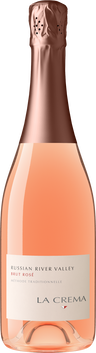
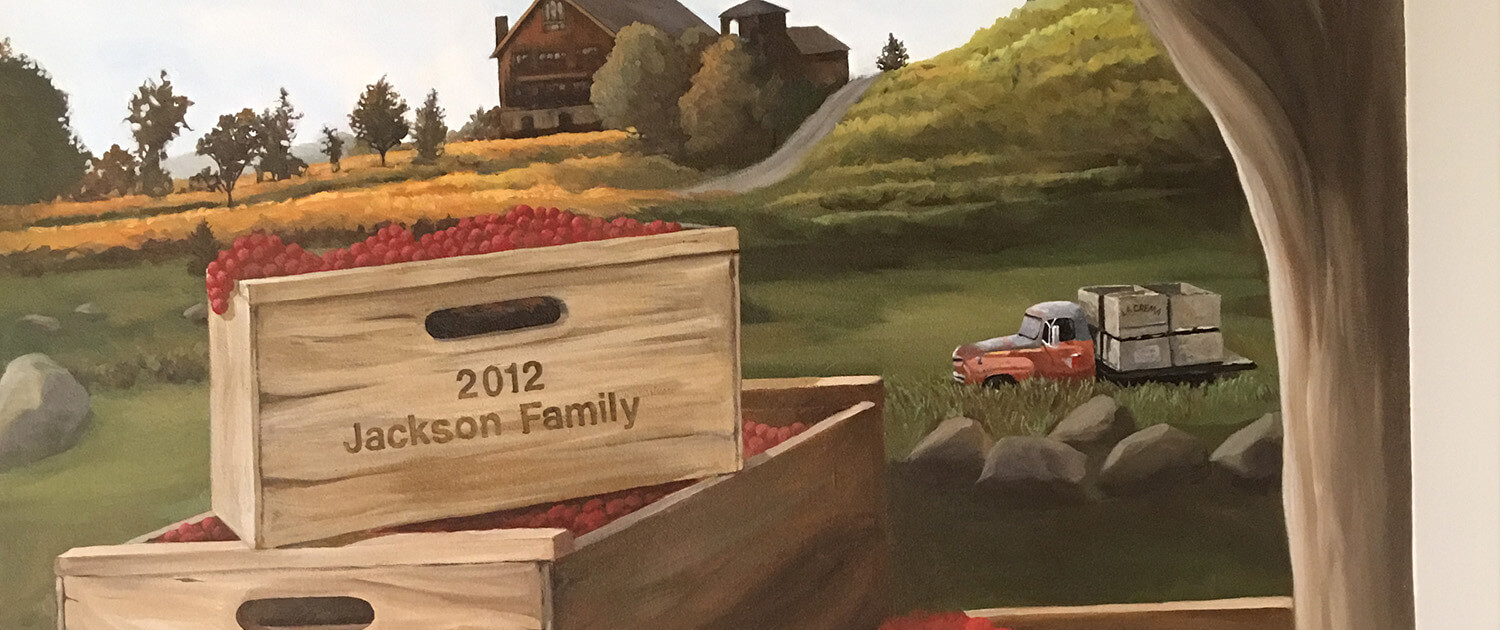
La Crema's rosé, crafted from Pinot Noir, tends to open with summery aromas of watermelon, white strawberry, and orange creamsicle. Flavors often include mandarin, watermelon, and apple with elegant minerality and a kiss of salinity—a direct reflection of our coastal-influenced vineyards.

Rosé Wine Food Pairing Ideas
When it comes to food pairing, rosé is an MVP. Its natural acidity, subtle fruit, and light-to-medium body let it weave between dishes that would normally call for a white or a red, making a bottle of rosé one of the easiest ways to elevate a meal. Whether you're plating a quick weekday dinner or hosting a leisurely lunch, rosé makes it all seem effortless and elegant. Below are some simple rosé food pairing ideas to get you started:
- Grilled Shrimp + Rosé: Bright acidity enhances the natural sweetness of seafood and balances any smoky char from the grill.
- Summer Salads + Rosé: Crisp greens, fresh vegetables, and tangy vinaigrettes are a natural match for rosé's clean, citrus-kissed profile.
- Charcuterie Boards + Rosé: Soft cheeses, cured meats, fresh fruit, briny olives—rosé glides across every bite without ever stealing the spotlight. Curious to go deeper? Check out our Wine and Cheese Pairing 101: The Ultimate Beginner's Guide.
- Roast Chicken + Rosé: A weeknight hero, rosé balances the savory richness of roasted poultry without overwhelming the dish. For more inspiration, browse our Chicken Wine Pairing Guide.
How to Serve and Store Rosé Wine
Enhance your rosé drinking experience with these simple tips:
- Serving temperature: For optimal freshness, serve rosé well-chilled at 45 to 50°F—cool enough to keep the wine bright and crisp, but not so cold that you mute its delicate fruit and floral characters.
- Glassware: A standard white wine glass works perfectly, with a bowl wide enough to lift the fruit and floral notes toward the nose.
- Storage: Most rosés are best enjoyed within a year or two of their release, though more structured styles (like those of Bandol, France) can age gracefully for a short stretch. Keep bottles on their side in a cool, dark place until you're ready to pop the cork (or you can place them upright if they have a twist cap enclosure).
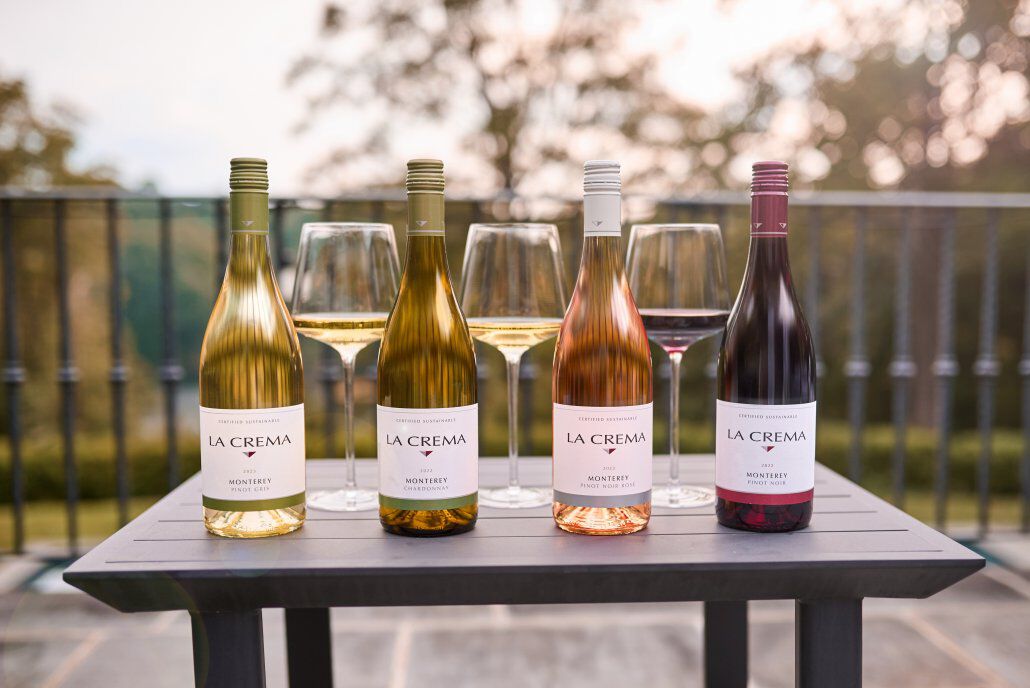
Rosé vs. White and Red Wine: What's the Difference?
The simplest way to think about rosé is as the elegant middle ground between white and red wine.
- White wines are made from white (or occasionally red) grapes pressed without skin contact, which gives them their light color, crisp acidity, and aromatic profiles that lean toward citrus, stone fruit, and tropical or floral notes. They typically have little to no tannin and tend to feel bright and refreshing on the palate.
- Red wines, on the other hand, ferment with their skins, picking up deep color, structure, and tannins along the way. That extra extraction translates to fuller body, savory and dark-fruit flavors (think blackberry, plum, cherry, baking spice), and the kind of grip that pairs naturally with heartier dishes.
- Rosé sits in between. It borrows the freshness and lifted acidity of a white wine, while pulling the subtle structure, depth, and red-fruit character of a red wine from its short time on the skins. The result is a wine that's lighter and more refreshing than most reds, but a touch more layered and food-versatile than many whites. Rosé bridges the white and red wine worlds with ease, making it a smart choice when you're not quite sure which wine to pick.
Experience the Fresh Elegance of La Crema Rosé
For more than 40 years, La Crema has been devoted to cool-climate expressions and balanced winemaking—and our rosé is no exception. Crafted with the same care that earned us recognition as Wine Enthusiast's 2024 American Winery of the Year, our rosé captures the freshness, finesse, and coastal character that define our portfolio.
Whether you're searching for the best rosé for a future gathering or simply looking for a new go-to pour for those long, golden afternoons, reach for La Crema rosé crafted from Pinot Noir. Try it with Indian, Thai, and Mexican takeout. Sip it in winter for a refreshing contrast to a hearty stew. Or simply savor a glass on its own for a taste of the California coast. Rosé is easygoing, and your enjoyment of it should be too.
FAQs
1. What exactly makes a wine a rosé?
Rosé is defined by its winemaking process rather than a specific grape variety. It is made exclusively from red wine grapes, but the grape skins are only allowed to remain in contact with the juice for a very short period. This limited exposure gives the wine its iconic pink color and delicate fruit characteristics without extracting the heavy tannins or intense pigments found in traditional red wines.
2. How does rosé get its color?
The secret behind the pink palette is a process called maceration (resting the juice with the grape skins). When red grapes are crushed, the running juice is actually clear. The skins contain the pigment. For rosé, winemakers leave the skins in the juice for anywhere from a few hours up to two days. Once the precise shade of pink is achieved, the juice is drained away from the skins to finish fermenting on its own.
3. Are all rosé wines sweet?
This is one of the biggest misconceptions in the wine world. While sweet styles certainly exist, the vast majority of premium modern rosés are completely dry. The sweetness or dryness depends entirely on how much natural sugar the winemaker leaves in the bottle after fermentation, not the color of the wine.
4. What is the difference between dry and sweet rosé?
- Dry Rosé: The winemaker allows the yeast to consume almost all of the grape sugars during fermentation. The resulting wine is crisp, refreshing, and high in acidity, featuring bright fruit flavors without a sugary finish. Classic examples include Provençal and cool-climate Pinot Noir styles.
- Sweet Rosé: Fermentation is halted before the yeast finishes its job, leaving behind residual sugar. This style is noticeably sweet on the palate, with a richer, juice-like weight.
5. Why does the color of rosé vary so much?
If you look at a wine shelf, you will see a massive color spectrum ranging from pale onion skin and salmon to deep magenta and vivid ruby. This variation comes down to three main elements: the specific grape variety used, the thickness of those grape skins, and how long the winemaker chose to leave the skins in contact with the juice.
6. Can any red grape be used to make rosé?
Yes. Because it is a method of production, winemakers can utilize virtually any red wine grape on Earth. Popular options include Grenache, Syrah, Pinot Noir, Mourvèdre, Sangiovese, and Tempranillo. The choice of grape directly dictates the final flavor profile, structure, and aroma of the wine.
