
Recent Posts
A Beginner’s Guide to Sauvignon Blanc Wine
If the wine world had a leading lady, Sauvignon Blanc would undoubtedly take the spotlight. This zesty, bright, and refreshing white wine brings total "main character" energy to any occasion. From casual weekend picnics to elegant dinner parties, it shines with finesse and flair. Sauvignon Blanc is universally famous for its crisp, mouthwatering acidity and unmistakable aromatics that practically jump out of the glass.
Get ready to fall in love with your new favorite pour. In this comprehensive guide, we explore everything that makes Sauvignon Blanc wine incredibly special. We will uncover its fascinating origins, explore its dynamic flavor profiles, and show why it has become such a beloved staple in the La Crema portfolio. From pronunciation tips to food pairings to the popular Sauvignon Blanc vs. Chardonnay debate, consider this your go-to resource for getting to know one of the world’s most expressive white wines.
What is Sauvignon Blanc?
Sauvignon Blanc is a white wine made from the green-skinned Sauvignon Blanc grape. When you pour a glass of this vibrant beauty, its calling cards are immediately obvious: thrillingly high acidity and punchy, exhilarating aromas. And in case you’re wondering how to pronounce Sauvignon Blanc, it’s so-vee-nyon blahnk.
Unlike the subtle, quiet elegance of some white wines, Sauvignon Blanc is bold and expressive from the first sip. It demands to be noticed. And, a fun piece of expert trivia to share at your next tasting party is that Sauvignon Blanc has a famous family tree. In the 17th century, it crossed with Cabernet Franc to become the proud parent of the bold-natured Cabernet Sauvignon. Apparently, the apple didn’t fall too far from the tree!
Why Should You Drink Sauvignon Blanc?
The reasons are endless, but we’ll share our favorite three.
- First and foremost, this stunning wine offers instant refreshment. Thanks to its high acidity and zingy nature, it acts as the ultimate palate cleanser. A chilled glass of this wine will energize your taste buds and leave your palate feeling revitalized.
- Second, beyond its refreshing qualities, the aromatic intensity of this varietal is wonderful to experience. In fact, it is one of the easiest wines to identify in a blind tasting because of its vivid aromas. Expect to catch scents of bright lime or grapefruit, freshly cut grass, and lush tropical fruit like mango or guava.
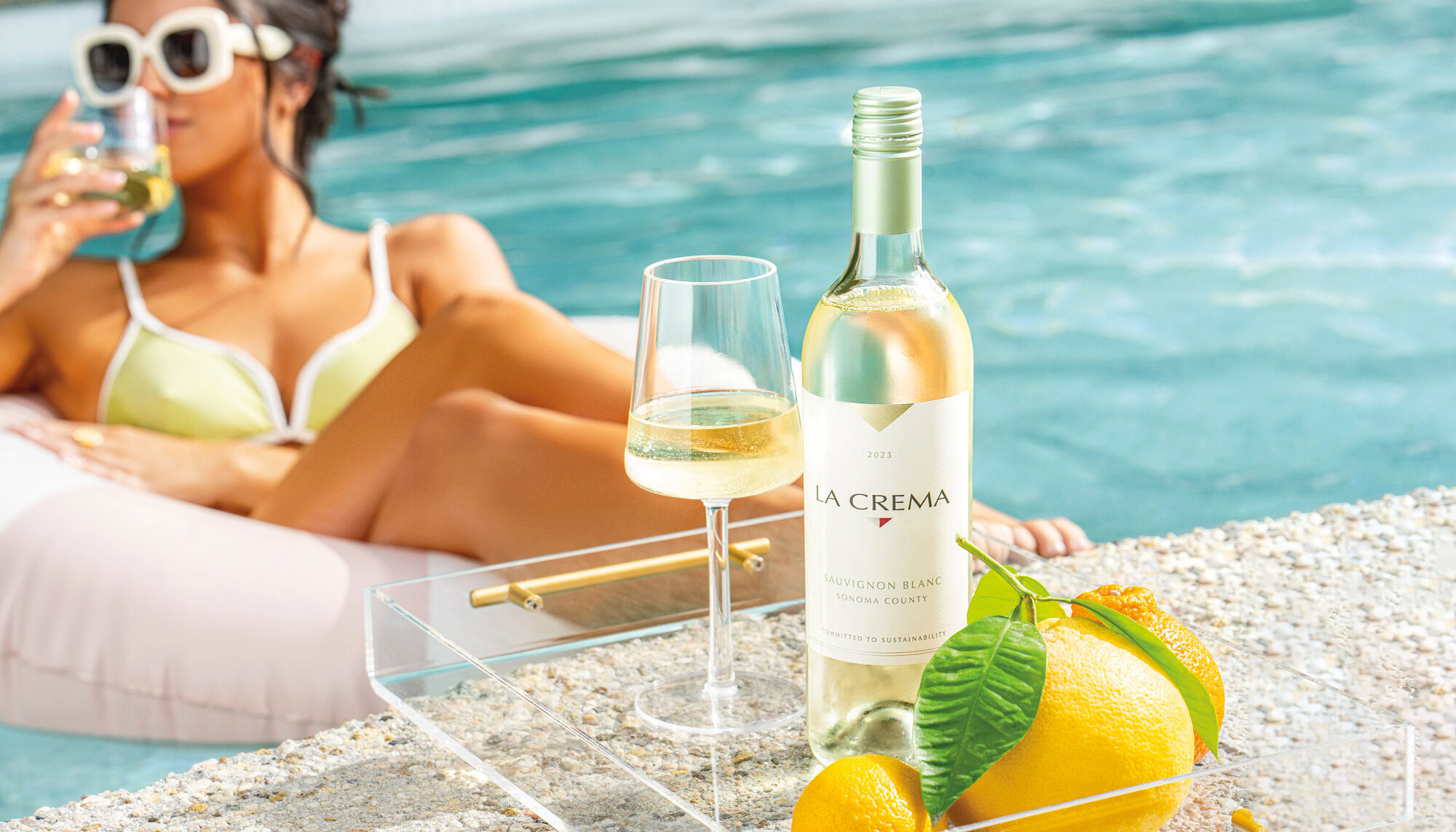
- Third, the versatility of this wine is impressive. It works just as beautifully at a sunny backyard pool party as it does alongside a high-end seafood dinner. Here at La Crema, we focus on "gentle handling" in the cellar to ensure the fruit’s bright, delicate aromatics are perfectly preserved from our vineyards straight to your glass.
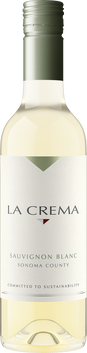
The History and Origins of Sauvignon Blanc
The story of Sauvignon Blanc begins in Western France, with deep roots in Bordeaux and the Loire Valley. In Bordeaux, Sauvignon Blanc traditionally plays a supporting role, often blended with Sémillon to create structured, age-worthy white wines. In the Loire Valley—particularly in appellations like Sancerre and Pouilly-Fumé—it takes center stage, producing some of the world’s most mineral-driven and elegant expressions.
From there, Sauvignon Blanc traveled well beyond its Old World origins and became a global superstar. Regions like Marlborough in New Zealand embraced the grape and turned it into an international sensation, known for its explosive aromatics and bold fruit flavors. California followed suit, with winemakers exploring how different climates and sites could shape the grape’s personality.
The name “Sauvignon Blanc” comes from the French words “sauvage” (wild) and “blanc” (white)—a nod to the grape’s vigorous growth in the vineyard. It is a wildly beautiful vine that produces a wildly delicious wine.
Where is Sauvignon Blanc Grown?
Sauvignon Blanc thrives in many wine regions around the world, but a few have become especially iconic for their expressions of the grape.
California, USA
California Sauvignon Blanc often leans into a riper, more citrus-forward profile, while maintaining balance and elegance. Regions like the Russian River Valley and Sonoma Coast benefit from cooling coastal influences that help preserve the grape’s natural acidity and freshness. At La Crema, we carefully select coastal sites to maintain Sauvignon Blanc’s signature tension and brightness.
You can learn all about our exceptional growing regions by exploring our vineyards.
Sancerre and Pouilly-Fumé, France
These Loire Valley appellations are considered the gold standard for flinty, mineral-driven Sauvignon Blanc. Wines from these Old World regions tend to be elegant, restrained, and focused on freshness, with notes of citrus, green apple, and wet stone.
Marlborough, New Zealand
Meanwhile, New Zealand’s Marlborough region put New World expressions on the map. If you’ve ever experienced Sauvignon Blanc that practically leaps out of the glass, it may have come from Marlborough. This region is famous for its intense tropical fruit flavors, high acidity, and pronounced notes like passionfruit, lime, and freshly cut grass.
What Does Sauvignon Blanc Taste and Smell Like?
If you’re wondering what Sauvignon Blanc tastes like, the answer depends on where it’s grown and how it’s made—but there are some unifying themes.
The Green Spectrum:
Many Sauvignon Blanc wines showcase bright, green flavors like lime, green apple, bell pepper, and even jalapeño. These notes are common in cooler climates and define the wine’s refreshing character.
The Tropical Spectrum:
In slightly warmer regions or riper styles, you’ll find more tropical notes such as passionfruit, peach, grapefruit, and melon. These wines still maintain high acidity, but with a fruitier, more exuberant personality.
The Mineral Factor:
Cool-climate Sauvignon Blanc often features mineral aromas described as “wet stone” or “flinty.” These subtle notes add a sophisticated, savory edge to the wine, especially in Old World expressions.
Furthermore, winemaking choices play an important role. Sauvignon Blanc fermented in stainless steel tends to be sharp, zesty, and laser-focused, while neutral oak or extended lees contact (aging on the spent yeast) can add creaminess, texture, and roundness without overwhelming the wine’s natural freshness.
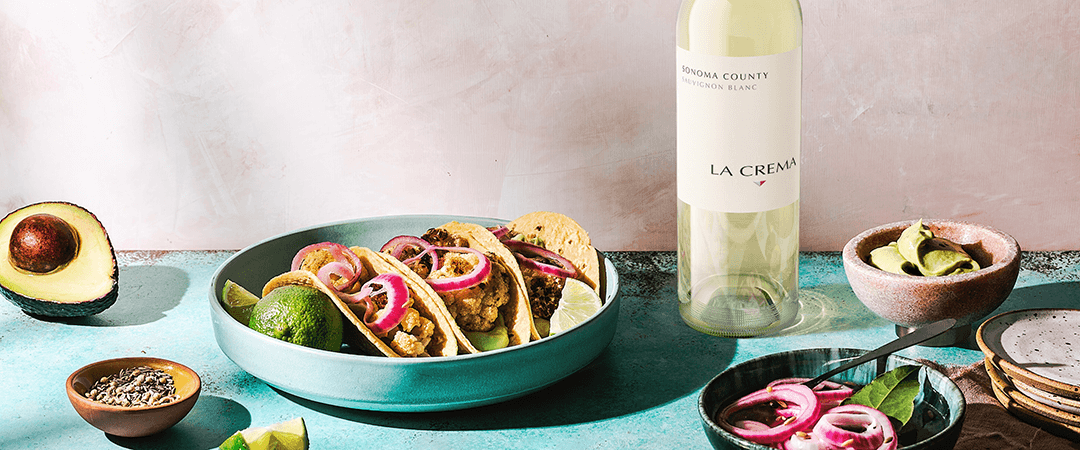
Sauvignon Blanc Food Pairing Ideas
Because of its natural zest and herbaceous qualities, Sauvignon Blanc harmonizes with ingredients that many other wines simply cannot handle. The key is matching the wine's bright acidity with fresh, tangy, or briny flavors.
Here are some phenomenally successful combinations you must try:
- Goat Cheese + Sauvignon Blanc: The high acidity in both the cheese and wine creates a perfect, tangy harmony in one of food and wine’s most classic pairings. Discover more brilliant combinations in our Ultimate Beginner's Guide to Wine and Cheese Pairing.
- Grilled Asparagus + Sauvignon Blanc: Asparagus is notorious for being difficult to pair wine with. Sauvignon Blanc is one of the very few wines that can handle the pronounced "green" flavors of spring vegetables.
- Oysters on the Half Shell + Sauvignon Blanc: The wine’s minerality enhances the seafood’s briny freshness.
- Cilantro Lime Chicken + Sauvignon Blanc: The wine’s citrus and herbal notes mirror the marinade’s lime and cilantro flavors.
How to Serve and Store Sauvignon Blanc Wines
To get the most out of your Sauvignon Blanc, serving temperature, glassware, and storage all play an important role in preserving its signature vibrancy:
- Serving Temperature: Sauvignon Blanc is best served well-chilled, around 45–50°F (7–10°C). Cooler temperatures help maintain its crisp acidity and highlight the wine’s bright citrus and herbal notes without muting its aromatics. Check out our guide on how to chill wine fast to get your Sauv Blanc ready for the Summer!
- Glassware: Use a standard white wine glass with a slightly narrower bowl. This shape concentrates Sauvignon Blanc’s expressive aromas—like grapefruit, lime, and fresh herbs—toward the nose, enhancing the tasting experience.
- Storage: Most Sauvignon Blanc is intended to be enjoyed young, when its fruit and aromatics are at their most vibrant. Store unopened bottles on their side in a cool, dark place with a consistent temperature around 55°F (13°C). Once opened, Sauvignon Blanc will stay fresh for 2–4 days when sealed and refrigerated. While some oak-aged or more structured styles can age for a few years, when in doubt, drink it while it’s bright, lively, and full of energy.
Sauvignon Blanc vs. Chardonnay: What’s the Difference?
When comparing Sauvignon Blanc and Chardonnay, you’re looking at the two reigning queens of white wine. While both are incredibly popular, they offer distinct experiences. Sauvignon Blanc is your zesty, energetic friend. It is lean, aromatic, and packed with bright citrus, green apple, and herbaceous notes. It rarely sees heavy oak, keeping its profile sharp and refreshing.
Chardonnay, on the other hand, is generally fuller, rounder, and richer. Depending on how it is made, it might offer notes of lemon, apple, pear, or pineapple. When aged in oak and put through malolactic fermentation, Chardonnay develops a luxurious, creamy texture that is completely different from its zingier counterpart.
That said, both varietals are incredibly versatile and reflect their terroir and winemaking styles. Cool-climate Chardonnays can be bright and mineral-driven, while warmer-climate Sauvignon Blanc can show richer fruit notes. Stainless-steel fermentation will preserve either variety’s fresh fruit and floral notes, while barrel fermentation will add depth, texture, and richness. If you love exploring how terroir and winemaking influence style, both grapes offer endless opportunities for discovery.
For a deeper dive into Chardonnay, check out our dedicated guide.
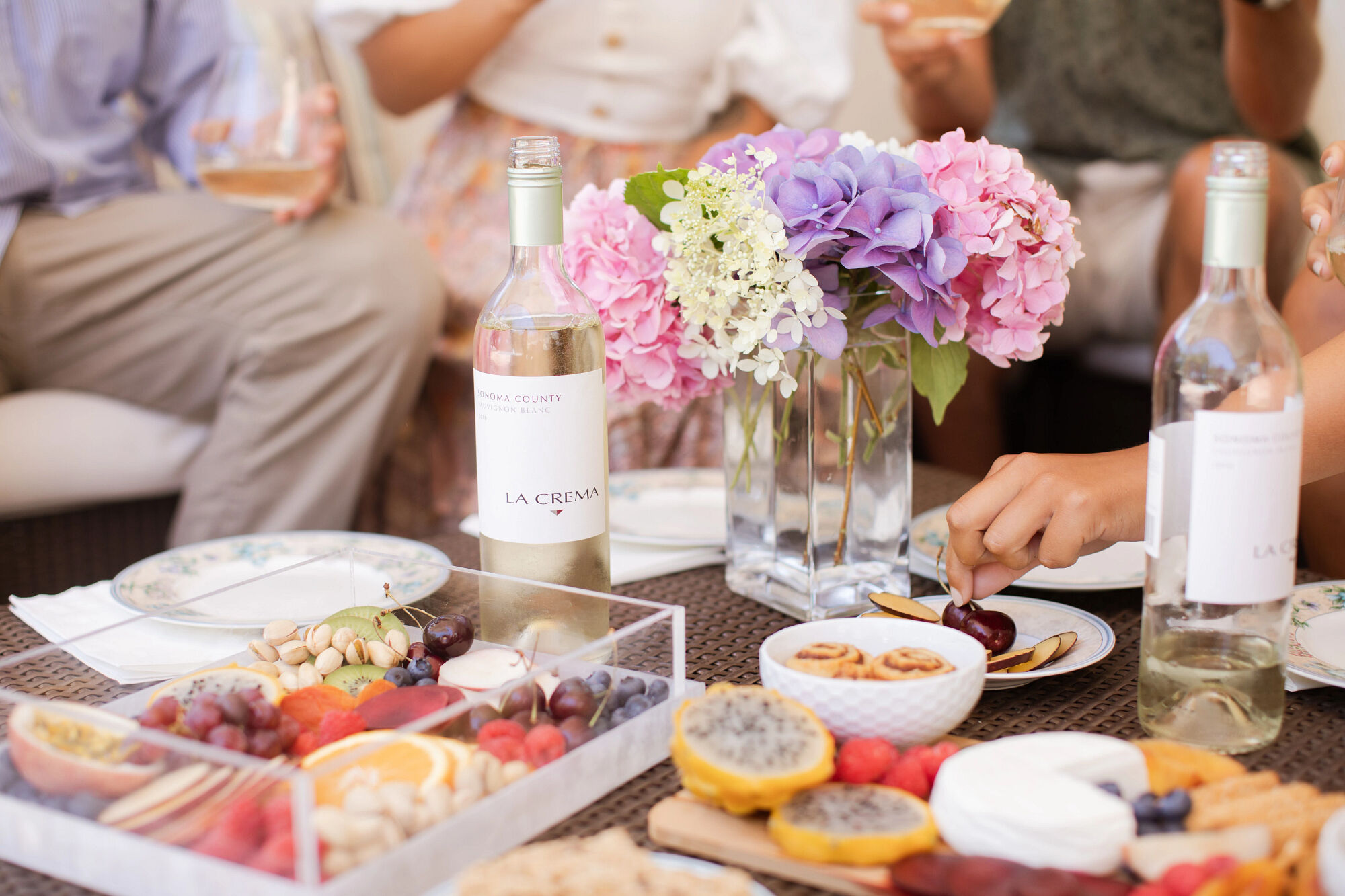
How to Choose the Perfect Sauvignon Blanc for You
Ready to find your favorite Sauvignon Blanc? Here are a few tips:
- Consider Your Preference: Do you prefer a creamy, full-bodied wine or a crisp, light-bodied one? Deciding between oaked and unoaked is a great starting point.
- Read the Label: Look for clues about the region and style. A Chardonnay from Chablis, France, will be very different from one from Napa Valley, California.
- Don't Break the Bank: Excellent Chardonnay is available at all price points. Don't be afraid to try bottles from lesser-known regions or producers—you might find a new favorite.
- Experiment! The best way to learn what you love is to taste different styles from different regions. Pick up a bottle of oaked and unoaked Chardonnay and compare them side-by-side. Or try an unoaked Chardonnay from Puglia next to the same style from California.
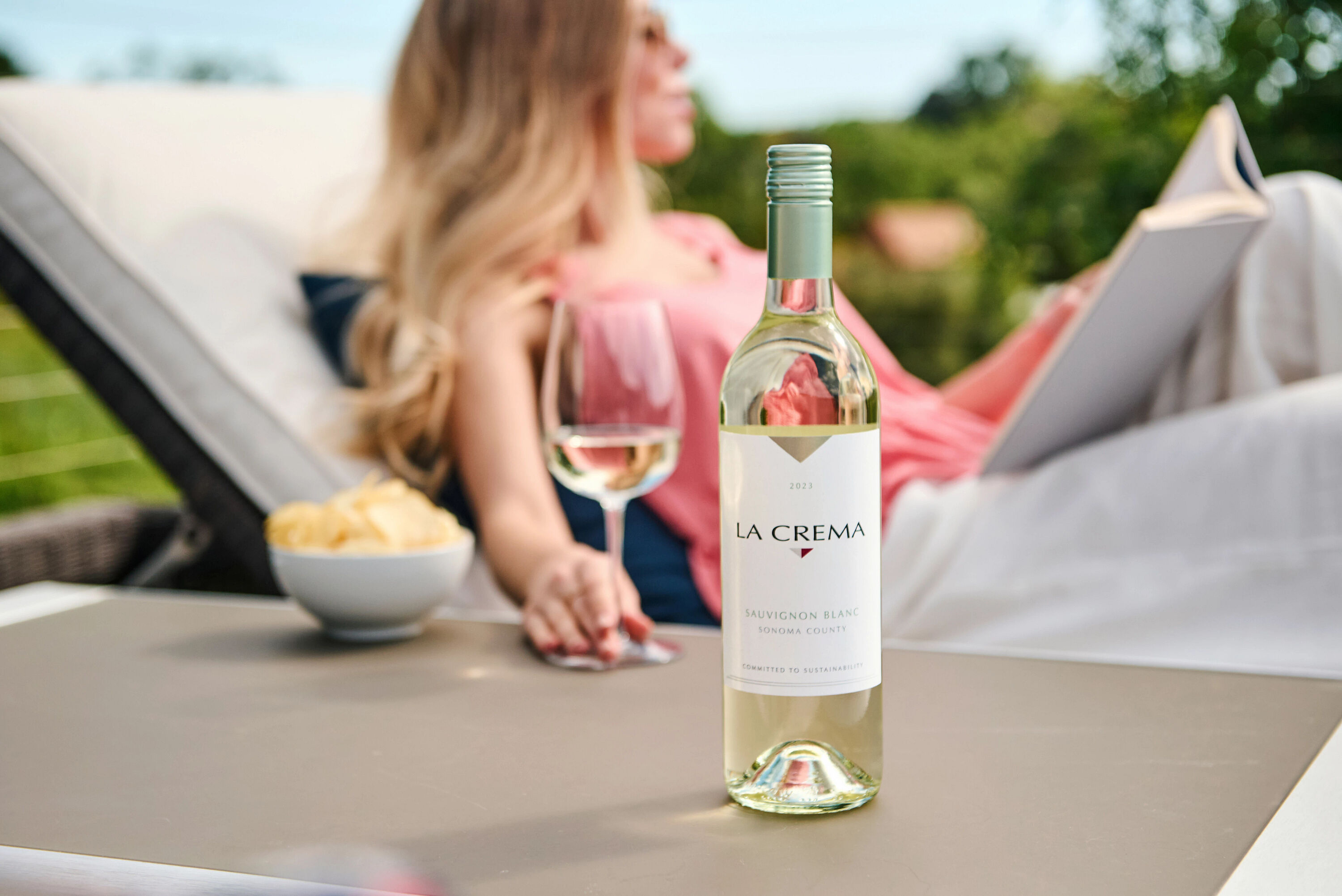
Experience the Zest of La Crema Sauvignon Blanc
At La Crema, our mission has always been to capture the essence of the vineyard in every bottle. Our Sauvignon Blanc wines reflect careful site selection, sustainable practices, and a commitment to letting the grape’s natural character shine. It’s this dedication to quality, the environment, and craftsmanship that earned La Crema the 2024 Winery of the Year honor—a testament to the care found in every glass.
Whether you’re new to Sauvignon Blanc or already a fan, we invite you to explore the La Crema Sauvignon Blanc collection and discover your new favorite refreshing pour. Bright, expressive, and full of personality—Sauvignon Blanc, the La Crema way.
FAQs
Is Sauvignon Blanc Dry or Sweet?
Sauvignon Blanc is almost always dry. Winemakers typically ferment the grapes until all the natural sugars are converted into alcohol. This creates a crisp, dry finish that perfectly highlights the wine's vibrant acidity. While the explosive fruity aromas might trick your brain into expecting something sugary, the actual wine on your palate is bone dry.
How Long Does an Open Bottle Last?
An open bottle will stay fresh for 3 to 5 days if sealed tightly and refrigerated. After that, the wine’s signature aromas will begin to fade.
Can I Cook with Sauvignon Blanc?
Absolutely. Sauvignon Blanc is one of the greatest white wines to keep in your kitchen arsenal. Its high acidity and herbal notes make it the perfect splash to deglaze a pan, create a stunning beurre blanc sauce for fish, or brighten up a creamy mushroom risotto.
