

 (2).jpg)
Recent Posts
A Beginner’s Guide to Chardonnay Wine
Consider this your go-to resource for all things Chardonnay—from its French beginnings to where it’s grown today, how it tastes, what to pair it with, and how to choose the right bottle. Whether you’re a longtime Chardonnay lover or just beginning your white wine journey, this guide breaks down everything you need to know about this beloved and versatile white wine.
Chardonnay is the world’s most planted white wine grape variety, grown everywhere from France and California to Australia. Its profile changes depending on where it’s cultivated and how it’s made. Think of it as the ultimate chameleon—crisp and unoaked in one glass, creamy and oak-aged in the next. By the end of this guide, you’ll know exactly what Chardonnay tastes like, how to serve it, and how to find your perfect style.
Chardonnay Quick Facts:
- Flavors: Expect notes of apple, pear, citrus, melon, and tropical fruit. Oaked versions often show vanilla, butter, and toast.
- Aromas: Common aromas include citrus blossom, toasted almond, baked apple, and a touch of minerality.
- Acidity: Medium to high, depending on the climate and winemaking style.
- Perfect Food Pairings: Chardonnay pairs seamlessly with everything from roasted chicken, soft cheeses, and creamy pastas to fresh seafood and light salads.
- Styles: Styles range from unoaked and crisp to oaked and mouth-filling—depending on where the grape is grown and the winemaker’s approach.
- Serving Tip: Serve slightly chilled, around 50–55°F (10-13°C), to highlight its balance and depth.
What is Chardonnay?
Chardonnay is a green-skinned grape variety used to make white wine. It is an extraordinary fruit in that it reflects where it is grown. In cooler climates, Chardonnay tends to be lean and mineral-driven, with bright notes of green apple, lemon, and pear. In warmer regions, it develops riper, more tropical flavors like pineapple, guava, and mango.
Yet Chardonnay is also celebrated for being a "winemaker's grape." Unlike Pinot Noir, which does not adapt well to experimentation in the cellar, Chardonnay is a blank canvas for winemakers. A winemaker can decide whether to allow the wine to go through malolactic fermentation, which softens the acidity, and whether to age the wine on its lees (dead yeast), which imparts texture and bready notes. He or she can choose from a range of different fermentation vessels, including stainless steel tanks, oak barrels, concrete eggs, or clay vessels, known as amphorae. This adaptability is why Chardonnay can express itself in so many different aromas and flavors—and why it’s so versatile when it comes to food pairings.
Don’t forget that Chardonnay produces more than just still wine. It is also a key grape in many of the world's finest sparkling wines, including Champagne, where it is the star of Blanc de Blancs (white wine from white grapes).
Why Should You Drink Chardonnay?
If you've ever thought, "Chardonnay is not for me," it might be time to reconsider. The sheer variety of Chardonnay wine means there is a style to suit virtually every palate. Do you love zesty, citrusy whites? Try an unoaked Chardonnay from a cool climate, like Chablis from Burgundy. Prefer something rich, creamy, and full-bodied? An oaked Chardonnay from a warmer region, like California, will be your perfect match. Want something in the middle? Choose a wine like La Crema’s Willamette Valley Chardonnay, a richly textured, energetic beauty that is fermented in a combination of oak and stainless steel.
Beyond its stylistic range, Chardonnay is also a food-pairing champion. Its balance of fruit, acidity, and body allows it to complement a huge array of dishes. It can be delicate enough for oysters and light salads yet robust enough for roasted poultry or creamy sauces. This versatility makes it a reliable choice whether you’re bringing a bottle to a dinner party or selecting a glass off a restaurant menu.
Moreover, Chardonnay’s global popularity means you can find fantastic bottles at every price point. From affordable, everyday sippers to prestigious, age-worthy collectibles, there’s a world of Chardonnay to explore for wine enthusiasts and connoisseurs alike.


The History and Origins of Chardonnay
The story of Chardonnay begins in the vineyards of Burgundy, France. For centuries, it has been the grape behind the region's legendary white Burgundy wines, such as Chablis, Meursault, and Puligny-Montrachet. From Burgundy, it traveled north to Champagne, where it emerged as one of the three primary grapes used in the region’s iconic sparkling wines.
The global fame that Chardonnay enjoys today, however, is a more recent phenomenon. It exploded in popularity in the United States during the 1980s and 1990s, becoming synonymous with the buttery, oaky style that dominated the market. This "Chardonnay boom" introduced the grape to a new generation of wine drinkers and cemented its status as a global superstar. Today, winemakers from Australia to South America have adapted the Chardonnay grape to their local climates, crafting unique expressions that continue to push the boundaries of this remarkable variety. While oaky, buttery versions still exist, many winemakers are aiming to produce fresher, restrained styles that allow the vineyard to shine through in the wine—ensuring that buyers see Chardonnay as synonymous with quality white wine worldwide.
Where are Chardonnay Grapes Grown?
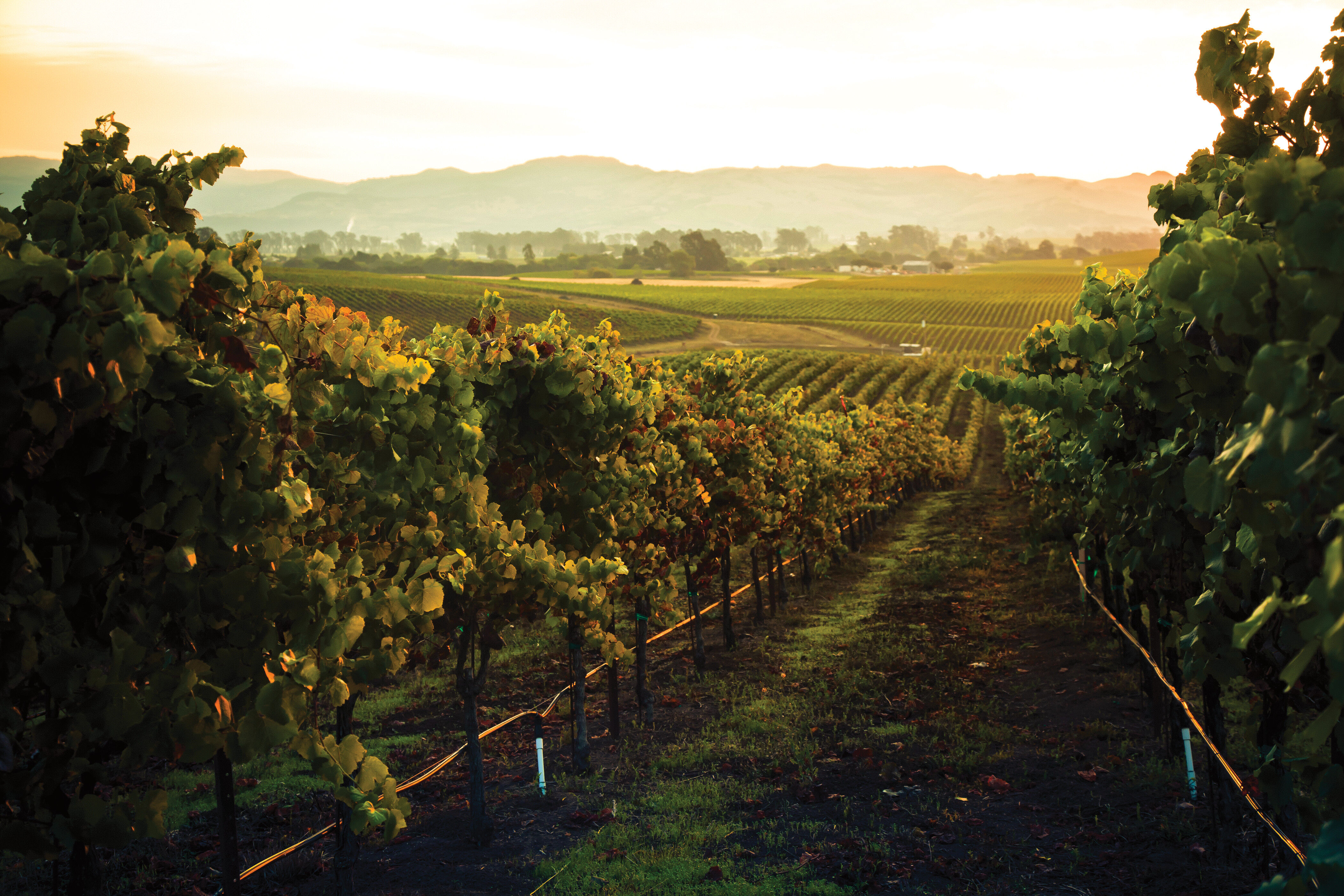
Chardonnay is grown worldwide in both cool and warm climates, but certain regions are famous for producing benchmark styles. The terroir—the combination of soil, climate, and geography—plays a crucial role in shaping the final wine.
Burgundy, France
Burgundy produces some of the most sought-after and age-worthy Chardonnay wines in the world. The cool climate and limestone-rich soils create Chardonnay with high acidity, complex minerality, and notes of lemon, green apple, and flint. Chablis, in the northernmost part of Burgundy, is known for its steely, unoaked Chardonnays with razor-like acidity, while the Côte de Beaune produces richer, more complex, and often oak-aged styles.
California
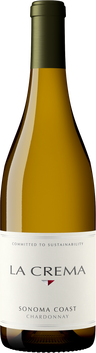
From the fog-kissed vineyards of the Sonoma Coast to the breezy Monterey Coast, California Chardonnay often balances ripe fruit flavors with a refreshing coastal acidity. La Crema’s own Chardonnay lineup captures this balance beautifully, offering both elegance and approachability.
Australia
Australian Chardonnay has undergone a major style evolution. Once known for heavily oaked, buttery wines, many producers now focus on a more restrained and elegant style. Regions like the Yarra Valley, Adelaide Hills, and Margaret River produce Chardonnay with bright acidity, citrus notes, stone fruit, and a touch of subtle oak spice.
Puglia, Italy
Located in the heel of Italy's boot, Puglia offers a warmer climate that produces Chardonnay with a rounder body and ripe fruit flavors. While traditionally known for red wines, the region is crafting increasingly impressive Chardonnays that are often unoaked, giving notes of golden apple, pineapple, and a hint of almond. They offer excellent value and a deliciously approachable style.
What Does Chardonnay Taste and Smell Like?
The answer depends on where it’s grown and how it’s made—but generally, expect flavors and aromas of green apple, pear, lemon, melon, pineapple, or mango.
Climate plays a huge role: Cool-climate Chardonnays tend to be bright and citrusy with aromas and flavors of green apple, lemon, pear, and wet stone. These wines are often described as crisp, lean, and mineral-driven. In warm-climate regions, the grape develops riper fruit notes, such as yellow apple, pineapple, mango, and papaya. These wines tend to be fuller-bodied and have a rounder mouthfeel.
Winemaking techniques add another layer of complexity. When Chardonnay is aged in oak barrels, it picks up flavors of vanilla, coconut, and baking spices. A process called malolactic fermentation converts sharp malic acid into softer lactic acid, creating the famous creamy, rich texture that many people associate with Chardonnay. Lees stirring, as noted earlier, can add beautiful texture and notes of brioche or toasted nuts. Conversely, when a winemaker chooses to ferment Chardonnay in stainless steel and block malolactic fermentation, the resulting wine is crisp and fruit-forward.

Chardonnay Food Pairing Ideas
Chardonnay is a dream when it comes to food pairing. Lighter, unoaked styles pair beautifully with delicate dishes like salads, seafood, and poultry—while richer, oaked versions shine alongside creamy sauces and pasta, roasted chicken, pork loin, and heartier seafood, like lobster, crab, scallops.
Explore some of our favorite recipes and pairings:
- Seafood and Chardonnay Pairings
- Chicken Lettuce Cups
- Grilled Romaine Salad with Avocado Dressing
- Herby Grilled Shrimp
- Baby Lettuce Salad with Goat Cheese and Strawberries
- Homemade Pho Meatballs
- Chicken Chardonnay Recipes
For even more pairing inspiration, dive into our full guide: The Ultimate Chardonnay Food Pairings.
How to Serve and Store Chardonnay Wines
To get the most out of your Chardonnay wine, make sure to serve and store it in the optimal way:
- Serving Temperature: The ideal temperature depends on the style. Serve lighter, unoaked Chardonnays chilled, around 45-50°F (7-10°C), to highlight their crispness. Fuller-bodied, oaked Chardonnays are best served slightly warmer, around 50-55°F (10-13°C), to allow their complex aromas and creamy texture to shine.
- Glassware: Use a wine glass with a medium to large bowl. This allows the wine to breathe and directs the complex aromas toward your nose, enhancing the tasting experience.
- Storage: If you’re planning to store Chardonnay, lay the bottles on their side, which keeps the cork from drying out and letting air spoil the wine. (Note: If your bottle has a screwcap closure, you do not need to lay it on its side.) Store the bottles in a cool, dark place with consistent humidity and a stable temperature, around 55°F or 13°C. Opened bottles stay fresh for 3–5 days if sealed and refrigerated.
Oaked vs Unoaked Chardonnay: Which is Better?
Neither style is better—it all comes down to personal preference!
Oaked Chardonnay is aged in oak barrels, which imparts flavors of vanilla, spice, and toast. These wines often undergo malolactic fermentation, giving them a rich, creamy texture. They are more likely to be aged on their lees, resulting in notes of brioche or toasted nuts. Oaked Chardonnays are typically fuller-bodied and rounder on the palate.
Unoaked Chardonnay is aged in neutral vessels like stainless steel tanks. This method preserves the grape's primary fruit flavors and bright acidity. These wines are crisp, clean, and zesty, with notes of green apple, citrus, and minerality.
You can often tell whether a wine is oaked or unoaked by reading the label or description. Terms like "barrel-fermented," "sur lie (aged on the lees)," “toasted,” or "buttery" suggest an oaked style, while "stainless steel," "crisp," or "unoaked" indicate the latter. Oaked Chardonnay pairs best with rich, creamy dishes, while unoaked is perfect for lighter, fresher meals.
Chardonnay vs Sauvignon Blanc and Pinot Grigio
How does Chardonnay compare to other popular white wines?
- Chardonnay vs. Sauvignon Blanc: Sauvignon Blanc is known for its high acidity and prominent green or herbaceous notes, like bell pepper and freshly cut grass, alongside citrus flavors. Chardonnay is typically rounder and less overtly acidic, with fruit profiles leaning toward apple, pear, and tropical fruits rather than aggressive citrus.
- Chardonnay vs. Pinot Grigio: Pinot Grigio (or Pinot Gris) is typically lighter-bodied than Chardonnay, with crisp acidity and straightforward flavors of pear, white nectarine, and lime. While some Pinot Gris from regions like Alsace can be rich and complex, Italian Pinot Grigio is generally simpler and more refreshing than most Chardonnays. You can learn more about the differences in this guide to Pinot Gris vs. Pinot Grigio.
How to Choose the Perfect Chardonnay for You
Ready to find your favorite Chardonnay? Here are a few tips:
- Consider Your Preference: Do you prefer a creamy, full-bodied wine or a crisp, light-bodied one? Deciding between oaked and unoaked is a great starting point.
- Read the Label: Look for clues about the region and style. A Chardonnay from Chablis, France, will be very different from one from Napa Valley, California.
- Don't Break the Bank: Excellent Chardonnay is available at all price points. Don't be afraid to try bottles from lesser-known regions or producers—you might find a new favorite.
- Experiment! The best way to learn what you love is to taste different styles from different regions. Pick up a bottle of oaked and unoaked Chardonnay and compare them side-by-side. Or try an unoaked Chardonnay from Puglia next to the same style from California.
Start Your Chardonnay Journey with La Crema
Now that you’re an expert on Chardonnay’s history, growing regions, flavor profiles, and perfect food pairings, the best part begins: exploring and enjoying this variety for yourself.
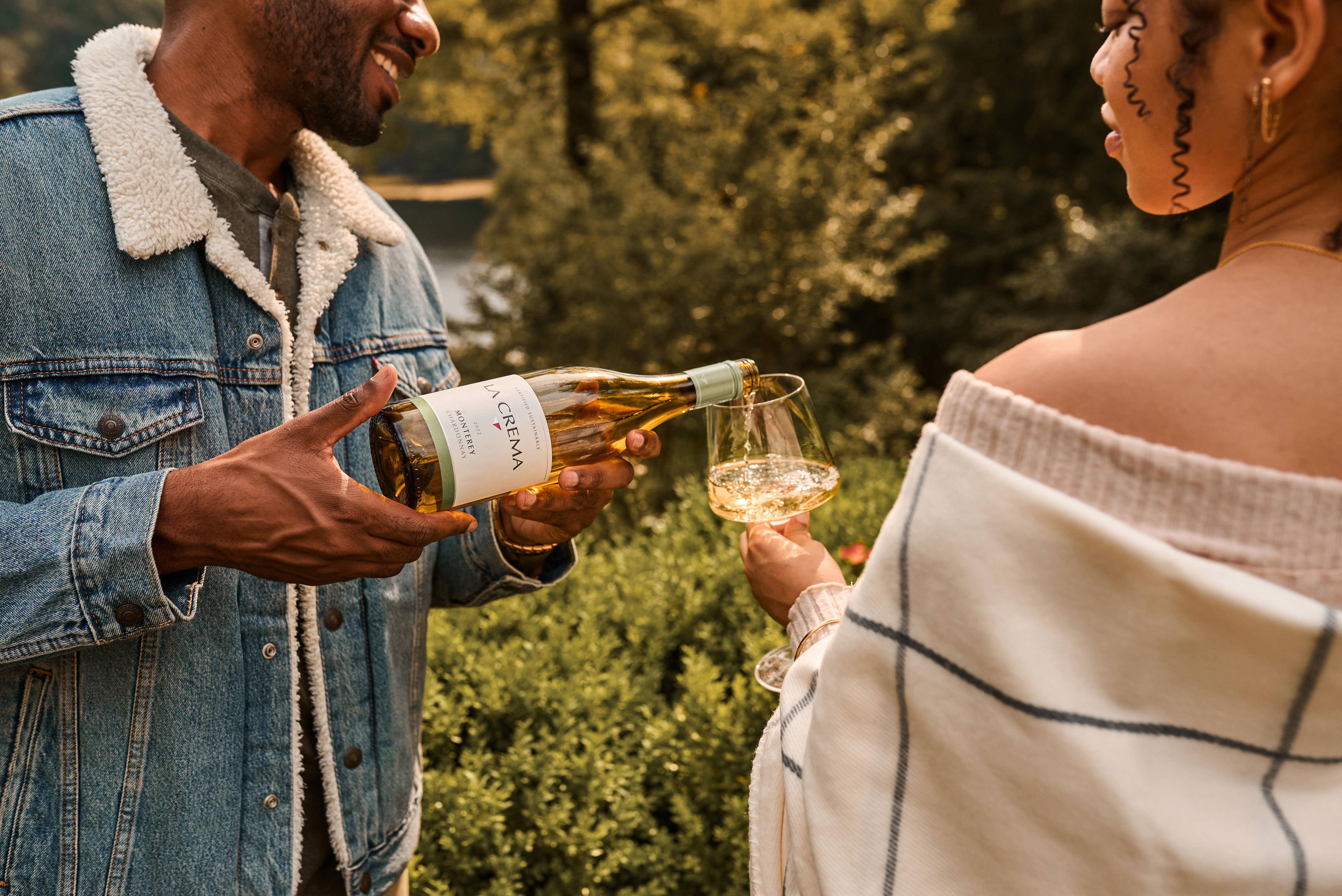
At La Crema, we are passionate about crafting high-quality Chardonnay wines that reflect the unique character of California’s and Oregon’s best cool-climate vineyards. We whole-cluster press our Chardonnay for purity and use barrel fermentation for depth and complexity—creating beautifully balanced and elegant wines with coastal freshness. From single-vineyard wines to regional expressions, La Crema’s Chardonnay portfolio has the perfect bottle to enrich your next meal or celebration. Dive in, start sipping, and discover why this timeless grape continues to captivate wine lovers around the world.
Can Chardonnay age well?
Yes, absolutely! High-quality Chardonnay, especially from renowned regions like Burgundy, can age beautifully for a decade or more, developing complex nutty and savory flavors.
Is Chardonnay wine sweet or dry?
Most Chardonnay is made in a dry style, meaning it contains very little residual sugar. However, the ripe fruit flavors in some warm-climate Chardonnays can give an impression of sweetness.
Why do some Chardonnay wines taste buttery or creamy?
That buttery flavor comes from a compound called diacetyl that is produced during malolactic fermentation—a secondary fermentation that converts sharp malic acid to softer, creamier lactic acid. However, not all malolactic fermentation results in buttery notes: A winemaker can choose to use a bacterial strain that has low diacetyl production, thereby achieving a creamy texture without the buttery taste.
Is Chardonnay the best white wine for beginners?
Its wide range of styles and global availability make Chardonnay an excellent choice for beginners. It provides a fantastic opportunity to learn about the impact of climate and winemaking on a single grape.
How long does an opened Chardonnay last?
Once opened, a bottle of Chardonnay will typically last for 3-5 days if recorked and stored in the refrigerator. Lighter, unoaked styles may lose their freshness more quickly than richer, oaked versions.
