


Recent Posts



California vs. Oregon Wine: What's the Difference?
Here’s a friendly rivalry worth raising a glass to. California and Oregon are two of America's most celebrated wine regions, and one grape reveals their differences beautifully: Pinot Noir. Taste them side by side, and you can feel the generous warmth of California in one glass and the cool, graceful restraint of Oregon in the other. Which do you reach for?
To help you decide, this guide shows how California and Oregon wine differ through the lens of Pinot Noir. We compare differences in climate, style, and flavor from the rare vantage point of a winery that crafts Pinot Noir in both regions. Since 1979, La Crema has sought out exceptional cool-climate vineyards in California, and today we also produce wines from Oregon’s Willamette Valley. This California vs. Oregon wine comparison comes from a house that knows and loves both regions. Pull up a chair, and learn why we're honored to have been named an American Winery of the Year for our leadership in crafting sustainably grown, cool-climate wines.
The Short Answer
The main difference between California and Oregon wine comes down to climate. California's warmer, sunnier conditions tend to produce riper, fuller-bodied, fruit-forward wines. Oregon's cooler, maritime climate often yields lighter, more restrained wines with bright acidity and an earthy, Burgundian character. Of course, each state is home to a remarkable range of microclimates, and that nuance is part of what makes exploring both regions so rewarding.
California vs. Oregon Wine at a Glance
| Feature | California | Oregon |
|---|---|---|
| Climate | Warmer, sunny, Mediterranean, with coastal fog | Cooler, maritime, four full seasons |
| Signature Grape | Diverse: Pinot Noir, Chardonnay, Cabernet, Zinfandel, and more | Pinot Noir (the clear focus), Chardonnay, Pinot Gris |
| Body | Fuller, richer | Lighter, more delicate |
| Fruit Profile | Ripe cherry, raspberry, black plum, blackberry | Cranberry, pomegranate, tart cherry |
| Acidity | Softer, lower | Bright, higher |
| Alcohol | Generally higher | Generally lower |
| Style | Fruit-forward, plush, generous | Earthy, restrained, Burgundian |
| Best Known Regions | Sonoma Coast, Russian River Valley, Monterey, Anderson Valley, Santa Barbara | Willamette Valley, Umpqua Valley, Rogue Valley, Southern Oregon, Columbia Gorge, Walla Walla Valley |
Why Pinot Noir Tells the Story Best
Pinot Noir is an enlightening grape for comparing California and Oregon because its thin skin and low tannins make it a graceful messenger of climate and place. Where it grows shapes how it tastes, and Pinot Noir has a beautiful way of letting those details come through.
Bolder grapes like Cabernet Sauvignon can lean on structure and power, but Pinot Noir reveals nuance. That's why both regions have built such strong reputations around it, and why California Pinot Noir and Oregon Pinot Noir make such a compelling pair. As we like to say, Pinot is sensitive, and it tastes different depending on where it’s grown.

Climate: The Root of Every Difference
Curious about the types of sparkling wine beyond Champagne? Here's a tour of the major styles.
California's Warm, Mediterranean Climate
California's Pinot Noir regions enjoy abundant sunshine tempered by coastal fog and ocean breezes. Together, these elements help fruit ripen fully while preserving freshness in the glass. Think of the Russian River Valley, home to the La Crema Estate. Cooling Pacific fog blankets the vines in the morning and evening, then retreats by afternoon, when temperatures can climb by as much as 40 degrees. That daily shift helps build rich, complex flavor while maintaining the bright acidity Pinot Noir loves.
Among others, key California Pinot Noir regions include the Russian River Valley, Sonoma Coast, Santa Lucia Highlands, and Anderson Valley. Each has its own personality, but all share the sun-meets-sea-breeze rhythm that gives California wine its warmth, energy, and charm.
Oregon's Cool, Maritime Climate
Oregon's Willamette Valley has a cooler, wetter, four-season climate with a long, gentle growing season. Its maritime climate shapes cool, mild winters that yield to dry, sun-soaked summer days, creating wines with higher acidity, lower alcohol, and more restraint. Located on the 45th parallel, similar to Burgundy, the Willamette Valley is unsurprisingly often compared to France’s premier Pinot Noir region.
In addition to the Willamette Valley, key wine regions in Oregon include the Umpqua Valley, Rogue Valley, Southern Oregon, Columbia Gorge, and Walla Walla Valley. La Crema’s focus is in the Willamette Valley, which produces roughly 90% of the state’s Pinot Noir. The valley’s cool-climate conditions allow vintners to craft flavorful yet restrained Pinot Noir with the freshness Oregon is known for. Compare California vs. Oregon Pinot Noir in the glass, and you'll taste just how expressive climate can be.
Flavor and Style: Generous vs. Graceful
Cava is a Spanish sparkling wine made in the traditional method, offering Champagne-style complexity at a friendlier price.
Produced mainly in Catalonia from the native Spanish grapes Parellada, Xarel-lo, and Macabeo, it’s known for its crisp acidity, subtle toastiness, and excellent value.
California Wine: Ripe, Plush, and Generous
California Pinot Noir leads with ripe cherry, raspberry, and darker fruit like black plum, often with a silky texture and subtle vanilla or spice from oak. It's fruit-forward at heart: inviting, generous, and easy to enjoy.
At La Crema, we especially love how California's cool coastal sites balance that richness with ocean-driven freshness. The result is ripe yet elegant, with a lively backbone that keeps each sip lifted.
California’s diversity of soils plays a part in Pinot’s profile too. Sonoma County alone has more soil types than all of France, with each type or combination of types shaping ground temperatures, water retention or drainage, and other elements key to growing grapes with concentrated, full flavors.
Oregon Wine: Earthy, Bright, and Restrained
Oregon Pinot Noir shows tart red fruit like cranberry and pomegranate alongside forest floor, spice, and minerality, with a lighter body and vibrant acidity. It's quieter than its California cousin, but no less engaging—an elegant, savory style that invites another sip.
Soil adds to the story here as well. The Willamette Valley has three primary soil types. Marine sediment, which once lay on the ocean floor, brings dark fruit, truffle notes, and firm tannins to Pinot Noir. Jory soil, born of volcanic activity, delivers bright red fruit and fine tannins. Laurelwood, windblown sand and silt from the Ice Age, contributes round tannins and a mix of red and black fruit.
Beyond Pinot Noir: How the Regions Differ
Beyond Pinot Noir, California grows nearly every major grape variety across its vast, diverse climates and regions: Cabernet Sauvignon, Zinfandel, Syrah, Merlot, Sauvignon Blanc, Chardonnay, and more all thrive in the state.
Oregon’s Willamette Valley is smaller and primarily focused on cool-climate varieties: Pinot Noir for red wines and Pinot Gris and Chardonnay for whites. When comparing California vs. Oregon grapes, it comes down to range versus focus: California offers breadth, while Oregon’s Willamette Valley offers devotion to a handful of cool-climate stars.
La Crema Wines from California
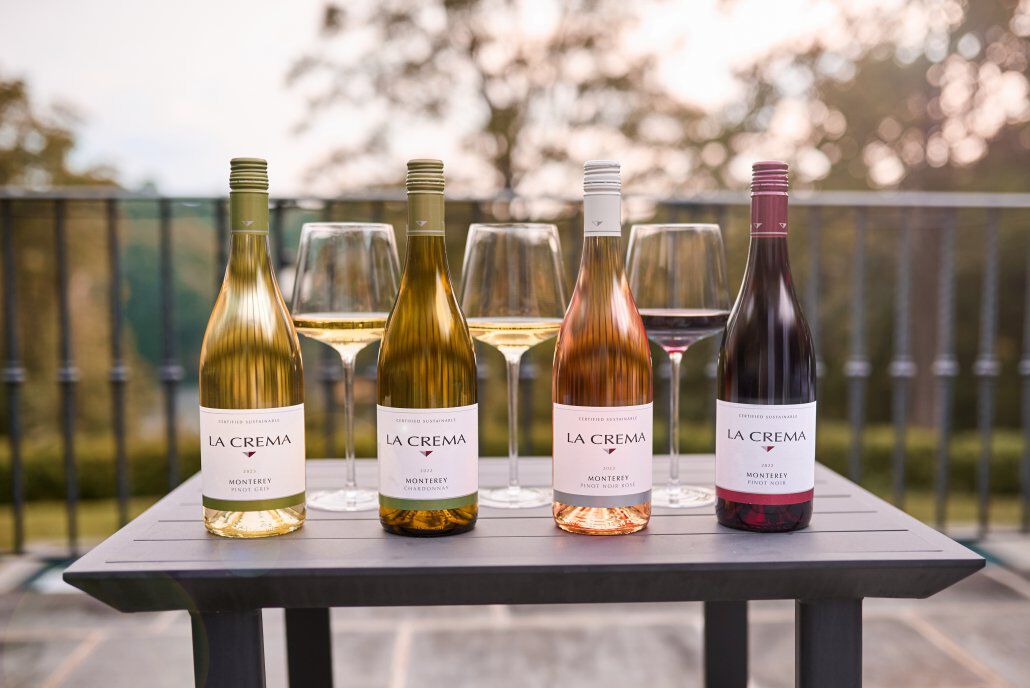
La Crema's California wines come from exceptional cool-climate coastal regions, including the Sonoma Coast, Russian River Valley, Monterey, Los Carneros, and Anderson Valley, where fog and ocean breezes help fruit develop full, ripe flavors while holding onto its natural acidity. La Crema was founded in 1979 to showcase wines from cool-climate regions, and our name comes from La Crema Viñera, “the Best of the Vine.”
Today, our home in the Russian River Valley anchors a California portfolio that celebrates Pinot Noir and Chardonnay in both single-vineyard and regional expressions. Our style is fruit-forward but elegant: bright, silky, and layered rather than heavy. And because caring for the land is part of caring for the wine, our vineyards are farmed with regenerative practices that improve soil health through cover crops, reduced tilling, livestock grazing, composting, and eliminating chemical fertilizers. We leave 60% of our estate vineyard properties unplanted and power 70% of the winery's annual electricity with solar.
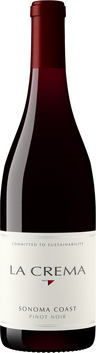
La Crema Picks: Sonoma Coast Pinot Noir, Sonoma Coast Chardonnay, and Monterey Pinot Noir.

La Crema Wines from Oregon
La Crema also crafts wine in Oregon's Willamette Valley, where the cooler climate produces Pinot Noir with bright acidity, earthy depth, and an elegantly restrained profile. We don't just admire Oregon Pinot Noir—we make it. Our journey there began with the 2012 vintage, when we hand-selected fruit from 10 different vineyards across the valley.
Our Willamette Valley Pinot Noir is sourced from multiple sub-AVAs every year and typically opens with vibrant red cherry, pomegranate, and orange zest before unfolding into supple tannins and a subtle cedar note. The wine’s delicate, nuanced profile showcases Oregon’s savory signature.
La Crema Picks: Willamette Valley Pinot Noir, Gran Moraine Pinot Noir, and Willamette Valley Chardonnay.
California vs. Oregon: Which Should You Choose?
Choose California When...
Reach for California wine when you want a riper, fuller-bodied, fruit-forward style, ideal for heartier dishes or anyone who loves generous flavor and a silky finish. It’s a welcoming pour: plush, expressive, and easy to love. It’s also a wonderful starting point if you're new to Pinot Noir.
Choose Oregon When...
Reach for Oregon wine when you want a lighter, earthier, higher-acid style, perfect for delicate dishes and anyone who enjoys restraint and finesse. It rewards slow sipping and curious conversation. If you love tart red fruit, savory spice, and a fresh, lifted finish, Oregon may be your glass.
Food Pairing: California vs. Oregon Wine
California's fuller-bodied wines pair wonderfully with grilled meats and rich dishes, like duck, lamb, and barbecued pork. California Pinot, in particular, is especially versatile. Try our Monterey County Pinot Noir with sausage and peppers, grilled chicken, or any dish with Gruyère cheese, like French onion soup.
Oregon's earthier, more restrained wines shine with salmon, mushrooms, and lighter fare. Pair our Willamette Valley Pinot Noir with cedar-plank grilled salmon or lentil soup with fresh tarragon.
Whatever's on the table, let the wine's personality guide you. Whether it hails from California or Oregon, Pinot Noir is one of the most food-friendly red wines, and La Crema’s elegant, finessed style helps our wines support and enhance a world of cuisines. Curious to deepen your wine and food pairing expertise? Check out our Ultimate Wine and Food Pairing Guide.
How to Host a California vs. Oregon Tasting
A California versus Oregon tasting is a delightful way to train your palate, comparing how the same grape expresses two very different climates. It’s easy to set up, whether you’re gathering with two friends or hosting a full dinner party.
- Pick your pair. Choose one California Pinot Noir and one Oregon Pinot Noir. We suggest La Crema Sonoma Coast Pinot Noir and La Crema Willamette Valley Pinot Noir.
- Pour side by side. Use matching glasses and serve both at the same temperature.
- Look. Hold each glass against a white napkin or sheet of paper and tilt it slightly. Notice the color and how much light passes through. Pinot Noir is naturally translucent, but you may see a deeper ruby in the California glass and a lighter, brighter red in the Oregon one.
- Sniff and sip. Compare the fruit: ripe, juicy cherry and black plum, or tarter cranberry and pomegranate?
- Feel. Notice the acidity and body. Which is plusher or silkier, and which is brighter and more lifted? Does one make your mouth water more than the other?
- Decide. Which style do you prefer, and why?
Ready to make it a gathering? Get our dinner party planning tips.
Taste the Best of Both Worlds with La Crema
Understanding the difference between California and Oregon wine is one thing. Tasting it is another. La Crema is one of the few wineries that lets you experience both from a single house: the sun-kissed, fog-cooled generosity of California and the bright, earthy elegance of Oregon's Willamette Valley. Each wine is crafted with care from vineyards farmed with regenerative practices and made to share.
We're honored to have been named American Winery of the Year by Wine Enthusiast, a recognition of more than four decades of cool-climate craftsmanship, sustainability, and community. Read about the honor, then explore our California and Oregon portfolios to find the wine that fits your style, your table, or the moment.
FAQs
What is the difference between California and Oregon wine?
California wines are generally riper, fuller-bodied, and more fruit-forward thanks to a warmer climate, while Oregon wines are typically lighter, earthier, and higher in acidity due to a cooler, maritime climate.
Is Oregon or California better for Pinot Noir?
Both are world-class regions for Pinot Noir. California offers bolder, fruit-forward styles, while Oregon's Willamette Valley offers more delicate, Burgundian-inspired styles. The best choice comes down to personal taste.
Why is Oregon known for Pinot Noir?
Oregon's Willamette Valley shares a similar cool climate and latitude with Burgundy, France, making it ideal for producing elegant, high-acid Pinot Noir.
What makes California wine different?
California's warm, sunny climate and vast, diverse growing regions produce riper, fuller-bodied wines across a huge range of varieties, from Pinot Noir to Cabernet Sauvignon.
Is California or Oregon Pinot Noir higher in alcohol?
California Pinot Noir is generally higher in alcohol because its warmer climate ripens grapes more fully, while Oregon Pinot Noir tends to be lower in alcohol and higher in acidity. Much, however, depends on the specific growing season and the sugar levels at which the grapes were picked. The best way to be sure is to check the alcohol-by-volume percentage on the label.
Does La Crema make wine in both California and Oregon?
Yes. La Crema crafts wine in both California's cool-climate coastal regions and Oregon's Willamette Valley, giving it a rare, firsthand perspective on both styles.
What food pairs with California vs. Oregon Pinot Noir?
California Pinot Noir pairs well with duck, lamb, and heartier dishes, while Oregon Pinot Noir shines with salmon, mushrooms, and lighter fare.
